
The cremation chamber is only one part of the timeline families and funeral home teams need to understand. Transportation, identification, authorization, permits, scheduling, preparation, cooling, processing, documentation, and the return or placement of remains can all affect when a case is complete.
Contact Vischer for equipment and workflow guidance.
So, how long does cremation take? The active chamber cycle may be measured in hours, but the full workflow has no universal duration. Facility procedures, equipment, body size, required preparation, local rules, and scheduling all matter. One crematorium guide, for example, reports about 1.5 hours from charging the coffin to completion, followed by roughly 10 minutes before reduced remains are removed. That is a facility-specific example, not a standard promise.
Understanding the difference between the chamber cycle and the complete case workflow makes communication more accurate and planning more respectful. It also clarifies why cooling and processing deserve their own place in the timeline, rather than being treated as an automatic final step.
How Long Does Cremation Take in the Chamber?
The active chamber cycle is only one stage of the cremation process. The time from charging the container into a retort through cooling, processing, documentation, and the return or placement of cremated remains can vary by facility and jurisdiction. There is no universal duration that applies to every case.
One crematorium guide in the United Kingdom reports that cremation is complete approximately 1.5 hours after the coffin is charged into the cremator. Followed by about 10 minutes before reduced remains are removed from the cremulator. This is a useful example of one facility’s workflow. It is not a universal United States standard. Vischer’s guidance identifies facility conditions, authorization, scheduling, body size, equipment, preparation, cooling, processing, and local procedures as timing variables.
| Stage | What it includes | How to interpret the timing |
|---|---|---|
| Chamber cycle | Charging the cremation container and completing the active work inside the retort. | A facility-specific operating interval, not a guaranteed industry average. |
| Cooling and processing | Allowing the remains to cool, then processing them into a consistent form for handling. | A separate post-cycle stage that adds time after the chamber work ends. |
| Full workflow | Arrangements, authorization, transport, scheduling, preparation, paperwork, and return or placement. | The complete case timeline may extend well beyond the chamber cycle. |

Operationally, the chamber cycle begins when the authorized cremation container is charged into the retort. The retort performs the active cremation work, but the case is not necessarily ready for final handling as soon as that stage ends. Cooling must occur before processing, and the team must then manage identification, transfer, containers, records, and any required handoffs.
Those stages rely on more than the retort alone. Vischer describes a complete crematory workflow as involving retorts, processors, cremation containers, and suitable removal and transfer equipment. Its cremation supplies checklist also treats cooling and processing as distinct parts of the operation. For funeral home teams, separating these stages helps create honest expectations for families without reducing a careful, identity-focused process to a single number.
What Happens Before the Cremation Cycle Begins?
Before the retort is charged, the case usually moves through several administrative, identification, transportation, and care steps. These steps can determine when scheduling is possible, and they are why the answer to “how long does cremation take” cannot be based on the chamber cycle alone.
The process often begins with arrangements and the family’s authorization decisions. The funeral home or crematory then coordinates transfer into its care, confirms the identity of the deceased, reviews required documentation, and determines when the case can be scheduled. Preparation may also include checking for information that affects safe operation, such as a pacemaker or another potentially hazardous implant. Teams should explain each handoff clearly so families understand what has been completed and what remains outstanding.
Authorization, identification, and permits
Requirements depend on the jurisdiction. For example, Illinois-specific example: Illinois law generally prohibits cremation within 24 hours after the time of death. It also requires the crematory authority to receive a cremation permit and an authorization form before cremation. The law addresses exceptions in certain documented circumstances, so funeral professionals should review the current requirements rather than apply the 24-hour rule mechanically. See the Illinois statute for the governing language.
Virginia-specific example: Virginia requires a cremation authorization form and an identification attestation based on viewing the remains or a photograph. When visual identification is not feasible, the regulation allows another positive-identification method in consultation with law enforcement, a medical examiner, or medical personnel. These requirements support accurate custody and documentation, but they are not a substitute for checking the rules in the location where the cremation will occur. Review the Virginia regulation and confirm local requirements with the responsible funeral home or crematory.
Holding, refrigeration, and scheduling
If immediate cremation is not possible or authorized, remains must be cared for while the outstanding step is resolved. Illinois-specific example: Illinois requires placement in a holding facility when a crematory is unable or unauthorized to cremate immediately, and it requires communication about the reason for certain delays. Virginia-specific example: when cremation cannot occur within 24 hours of custody, Virginia generally requires refrigeration at approximately 40 degrees Fahrenheit or less unless the remains are embalmed. Neither example establishes a universal waiting period for every state.
For operational planning, teams can use Vischer’s cremation supplies checklist to review identification, temporary-container, and workflow supply needs. The practical goal is a documented, dignified handoff from arrangements through authorization, care, and scheduling, with local rules confirmed before the cycle begins.
How Do Cooling and Processing Affect the Timeline?
Cooling and processing are separate post-cycle stages, so the chamber cycle is not the same as the time required before cremated remains can be packaged, placed, or returned. Once the active cycle ends, the team still needs to manage the remains carefully, maintain identification, and complete the final handoffs.
Cooling allows the remains and equipment to reach a condition suitable for safe handling. The length of this stage depends on the facility’s process, equipment, preparation, and operating conditions. It should be treated as part of the case timeline rather than as an afterthought.
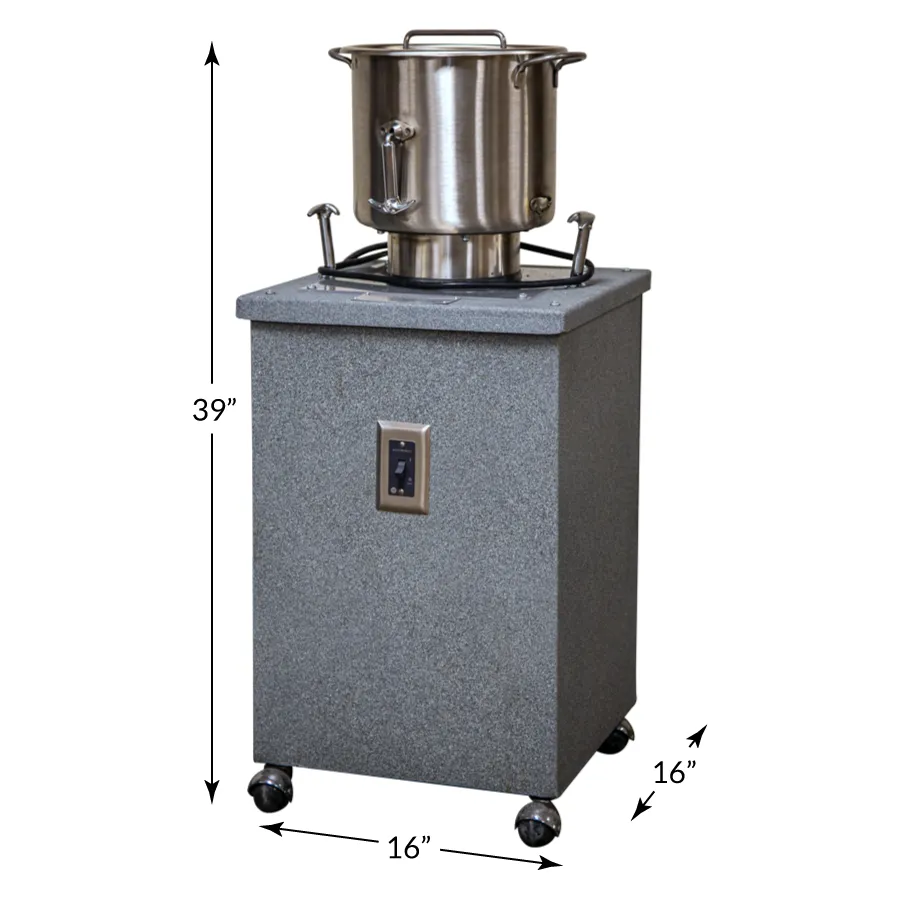
After cooling, the remains are processed into a uniform form suitable for the selected container. Vischer identifies processors, containers, and removal and transfer equipment as specialized parts of crematory workflow. These components work together to support an orderly transition from the retort to final packaging. For a broader look at how these systems fit together, review the cremation equipment guide.
Identification remains central throughout these steps. One crematorium’s published process description says that each cremation is conducted separately. Remains are removed before the next cremation, and an identity card stays with the case through final disposal. That description is an example of one facility’s procedure, not a universal United States standard. Funeral homes and crematories should follow their own written policies and applicable local requirements.
The final stage may include transferring the processed remains into a temporary or permanent container, completing documentation, and arranging placement or return to the authorizing party. Packaging is therefore more than a supply decision. It is a custody and communication checkpoint, where the team confirms that the correct remains, identification records, container, and recipient instructions remain aligned.
When families ask how long cremation takes, explaining these post-cycle steps provides a more accurate answer than quoting chamber time alone. A clear workflow helps staff coordinate equipment, documentation, and family communication without promising an exact return time that the facility cannot guarantee.
Which Factors Can Make the Full Timeline Longer?
The full timeline depends on more than the active chamber cycle. Authorization, scheduling, preparation, cooling, processing, paperwork, and the return or placement of the cremated remains can each affect when a case is completed. Vischer advises against promising an exact duration or guaranteed turnaround because timing varies by facility, equipment, case details, and local procedures.
For funeral home teams explaining how long does cremation take, it helps to identify the specific point where time may be added rather than offering one number that may not apply to every case.
- Scheduling and facility availability: The crematory may need to coordinate the service, transportation, preparation, and the next available operating window. A facility with one retort or a full case schedule may have less flexibility than a larger operation with more capacity.
- Paperwork and authorization: Missing signatures, permits, identification details, or other required documentation can delay the start of the process. Teams should confirm that the authorization package is complete before setting expectations with the family.
- State and local requirements: Waiting periods, permits, holding procedures, and identification rules differ by jurisdiction. For example, Illinois law generally prohibits cremation within 24 hours after death and requires a cremation permit and authorization form before cremation. That is an Illinois example, not a nationwide rule. See the Illinois statute and verify the rules that apply locally.
- Medical examiner or investigation holds: In some circumstances, a medical examiner, coroner, or law enforcement agency may need to complete an examination, identification, or other required review before authorization can proceed. Virginia regulations, for example, describe consultation with law enforcement, a medical examiner, or medical personnel when an alternative positive-identification method is needed. The applicable authority and process depend on the jurisdiction and case.
- Equipment, supplies, and case volume: Retorts, processors, containers, and removal or transfer equipment all support the workflow. Equipment availability, existing capacity, maintenance needs, and the number of cases already in queue can affect scheduling. Vischer recommends considering facility size, case volume, existing equipment, growth, and regulatory requirements when evaluating crematory operations. Its cremation equipment guide provides additional planning context.
- Weekends, holidays, and family decisions: Transportation, office staffing, regulatory offices, and crematory schedules may operate differently outside normal business days. Families may also need time to choose a service format, container, memorial plans, or the final placement of remains. Those decisions are important parts of a respectful process, not administrative obstacles to rush.
Clear communication is the practical safeguard. Explain which steps are complete, which are pending, and what event will allow the next step to begin. That approach gives families a useful update without turning an operational estimate into a promise.
How Can Funeral Home Teams Set Clear Expectations?
Clear communication separates the active cremation cycle from the complete case workflow. So families understand what has happened, what remains, and when they will hear from the team again. A reliable update does not promise an exact completion time. It explains the current stage, identifies the next dependency, and gives the family a specific point of contact for follow-up.
Begin with the facts available at the time of the conversation. The team may know that arrangements are complete but authorization is still pending, or that the remains are in the facility awaiting an available schedule. If a delay occurs, explain its practical cause without speculating. Requirements and procedures vary by jurisdiction, and the facility’s workload, equipment, and case sequence can also affect timing.
For each case, use a short handoff checklist before calling the family or transferring responsibility:
- What stage is complete? Confirm whether arrangements, identification, authorization, transport, preparation, the cremation cycle, cooling, processing, or packaging has been completed.
- What authorization or documentation remains? Name the missing item and explain who is responsible for obtaining it.
- What is waiting on the facility or jurisdiction? Distinguish an internal scheduling issue from a required review, permit, holding period, or other local procedure.
- When will the next update come? Give a date or clear checkpoint, even when the final return or placement time is not yet known.
- Who owns the handoff? Record the staff member, crematory contact, transporter, or other party responsible for the next action.
This same discipline improves internal planning. Teams can review whether their holding capacity, transport setup, and documentation process support the volume and service model they handle. Vischer recommends considering facility size, case volume, existing equipment, budget, growth, and regulatory requirements when evaluating equipment, rather than selecting products in isolation. For related planning, see this mortuary cooler selection guide and explore removal equipment for funeral home teams.
Vischer supplies funeral homes, crematories, and forensic departments with professional-grade equipment and supplies. Its role is to help teams evaluate workflow needs and equipment options, not to operate the cremation or set a family’s completion date.
A Practical Cremation Timeline Checklist
The full cremation timeline includes much more than the active chamber cycle. A reliable checklist follows the case from the first family conversation through authorization, custody, preparation, scheduling, cooling, processing, documentation, and the return or placement of the cremated remains. The order is consistent in principle, but the timing depends on the facility, jurisdiction, equipment, and case-specific requirements.
- Receive the first family call. Document the family’s wishes, service plans, requested disposition, contact information, and any timing questions. Explain that how long does cremation take cannot be answered with one universal promise because the complete workflow extends beyond the chamber cycle.
- Arrange transfer and establish custody. Coordinate transportation to the funeral home or crematory. Record custody details and confirm that identification procedures will remain with the case throughout each handoff.
- Complete authorization and required documentation. Obtain the cremation authorization, identification attestation or other approved positive identification, permits, and any medical examiner or jurisdictional paperwork. Requirements differ by state. For example, Illinois law requires a cremation permit and authorization form before cremation, while Virginia rules address authorization and identification separately.
- Confirm waiting, holding, and refrigeration requirements. Check whether a statutory waiting period, investigation, incomplete paperwork, or scheduling issue prevents immediate cremation. When a case cannot proceed, follow applicable holding and refrigeration requirements, then document the reason and communicate any delay to the authorizing agent.
- Review preparation and safety checkpoints. Verify the container, required preparation, identification record, and disclosure of any pacemaker, defibrillator, or other potentially hazardous implant. Resolve safety or authorization issues before charging.
- Schedule the chamber cycle. Coordinate the case with facility availability, service timing, staffing, and equipment readiness. Confirm the planned handoff internally without presenting the schedule as a guaranteed completion time.
- Complete the chamber cycle and cooling stage. Charge the container according to facility procedure, then allow the remains to cool before removal and further handling. Cooling is a distinct post-cycle stage, not part of a simple estimate for active cremation alone.
- Process, document, and return or place the remains. Complete processing, maintain identification and chain-of-custody records, package the cremated remains, finish the required paperwork, and coordinate their return to the family or placement according to the arrangements.
This sequence gives funeral home teams a practical framework for setting expectations while preserving room for local rules and individual circumstances.
Ready to discuss cremation workflow equipment? Contact Vischer today.
Frequently Asked Questions
Why might there be a waiting period before cremation?
Waiting periods can reflect state law, required authorization, identification, permits, scheduling, or a facility’s operating process. There is no universal three-day rule. For example, Illinois generally prohibits cremation within 24 hours after death and requires authorization and a cremation permit before the process begins. Requirements vary by jurisdiction, so the funeral home should confirm the applicable rules with the family. Illinois law
How long does it take to get ashes back after cremation?
The active chamber cycle is only one part of the timeline. After the cycle, the remains must cool, undergo processing, pass through the facility’s identification and documentation steps, and be placed in the selected container. The return time therefore depends on the crematory’s workflow, schedule, and any required paperwork. Ask the funeral home for a case-specific estimate rather than relying on a standard number.
What clothes are worn during cremation?
Families can discuss clothing and personal items with the funeral home before authorization. The selected clothing or container must be compatible with the crematory’s safety procedures and equipment, and some materials or items may not be permitted. Funeral home staff can explain the facility’s requirements and identify suitable alternatives when a requested item cannot be used.
Does cremation happen immediately after death?
Usually, no. The complete workflow may include transfer into care, arrangements, identification, authorization, permits, any legally required waiting period. Scheduling, the chamber cycle, cooling, processing, and return or placement of the remains. Timing can also change when equipment, staffing, case volume, investigations, or family decisions affect the schedule. A funeral director can explain each checkpoint without promising a universal completion time.
Ready to Plan a More Reliable Cremation Workflow?
Timing depends on the facility, equipment, required documentation, and the steps that follow the active cremation cycle. Reviewing those handoffs can help funeral home and crematory teams plan responsibly while maintaining clear communication and respectful care. Vischer can help you evaluate cremation workflow equipment and supplies for your operation. Contact Vischer for equipment and workflow guidance.