

A missing identification disc, processing filter, or temporary container can interrupt a case at the worst possible moment. A complete cremation supplies checklist helps funeral home and crematory teams protect chain of custody, support staff safety, and keep every stage moving with dignity.
Shop cremation supplies from Vischer Funeral Supplies to restock essential items before the next case.
Cremation supplies include identification discs, cremation containers, heat-resistant protective gear, processing tools and filters, temporary urns, and service items. Stocking these essentials by workflow stage helps funeral homes maintain chain of custody, protect staff, prevent delays, and return cremated remains to families with care.
Knowing which items to stock is the first step in building a better system for your home. We have put together a guide to help you find the right balance of tools and safety gear. The path to a well stocked prep room begins with our cremation supplies checklist at a glance.
Cremation supplies checklist at a glance
Managing a crematory requires a full stock of tools to ensure safe and legal operations. A clear list helps staff track inventory through every stage of the process. Having the right professional cremation supplies on hand prevents delays and keeps your workflow steady. It also protects your team from common health hazards at work found in mortuary settings.
Intake and transport tools
The first stage of the process involves the safe movement and tracking of remains. Staff must use leak-proof bags to prevent the spill of body fluids during transport. These bags often feature a curved zipper for easy use. You should also have absorbent material and waterproof sheets ready for cases that involve high fluid risk.
Every intake must include a permanent way to track the deceased. Metal identification discs provide a non-combustible link to the person throughout the heat of the chamber. Many facilities keep both custom and generic discs in stock to maintain a clear chain of custody. You will also need cremation rollers to help move heavy containers into the unit without physical strain.
Chamber and processing items
Operators need specialized gear to work near high heat and manage the final remains. High-heat aprons and puncture-resistant gloves protect staff from burns and sharp objects. Inside the chamber, cremation pans help collect remains for easier retrieval. Using a dedicated cremains processor ensures the final product is uniform and ready for the family.
Maintenance items are just as vital as handling tools. Chart recorder pens monitor the temperature of the unit to prove legal compliance. You must also track air quality by replacing filters at your ventless processing station on a set schedule. Keeping these small parts in stock helps you avoid emergency shipping costs or downtime.
| Supply Category. | Primary Purpose. | Restock Cadence. |
|---|---|---|
| Tracking discs. | Permanent identification. | Based on case volume. |
| PPE, including aprons and gloves. | Staff safety and protection. | Based on use and condition. |
| Processing filters. | Equipment operation. | Per manufacturer guidance. |
| Temporary urns. | Returning remains to families. | Based on case volume. |
| Transport bags. | Dignified body movement. | Based on case volume. |
Return and memorial supplies
The final stage focuses on returning the remains in a professional manner. You will need temporary cremains containers made of durable plastic for most cases. Heavy-weight bags with cable ties ensure the remains stay secure inside these boxes. For families who plan to ship the urn, cardboard mailers provide a safe way to protect the contents during transit.
What containers and identification supplies are essential?
Selecting the right professional cremation supplies is key for safe and smooth operations. Your facility needs a steady stock of alternative containers and cremation trays to handle daily cases. These items provide a sturdy base for the body and help with ease of use during the process. High-quality cremation pouches also assist with sanitary handling before the procedure begins. Using professional-grade bags and ties ensures that remains stay secure during transport and storage.
Primary containers and trays
Alternative containers are the most common choice for families who do not want a traditional casket. These units are often made of fiberboard or wood to allow for a clean burn. Cremation trays add support and help operators move bodies into the chamber with less effort. You should also keep heavy-duty cremains bags with cable ties on hand to prevent leaks or spills after the process is done. Proper planning for these bulky items ensures you never run out during a busy week.
Identification and tracking tools
Tracking the identity of the deceased is a top priority for every crematory. Many facilities use stainless steel identification discs that stay with the remains through the entire process. These tags provide a clear and permanent way to verify a person’s identity from start to finish. You can also use temporary cremains containers made of polypropylene to store and return remains to families. Clear labels and pouches for paperwork help you maintain a clean audit trail for every case.
Documentation and records
Keeping a detailed crematory log book is a smart way to track every step of your work. These logs record the time, date, and operator for each case to ensure full transparency. You may also need chart recorder pens to monitor the heat and performance of your equipment over time. Following clear steps for record-keeping helps you meet standards and stay organized. Proper documentation is just as vital as the physical tools you use to serve your community.
Choose handling equipment for safer, smoother transfers
Top tools make daily tasks in the funeral home easy. As more families choose cremation, having the right expert-grade cremation supplies and tools is key. Staff members need to move remains with care and respect while staying safe. Good handling gear reduces the risk of harm and keeps your workflow moving smoothly. Using the best tools helps your team focus on serving families during a hard time.
Hydraulic scissor lifts for safe loading
Heavy lifting is one of the biggest health risks for funeral home staff. As the CDC notes, staff in this field face many health hazards that require careful control. Hydraulic scissor lifts help solve this problem by doing the heavy work for you. These lifts allow one person to raise remains to the exact height needed for a transfer. This tool prevents back strain and makes it easy to load containers into the crematory chamber.
A good lift should be easy to move and lock into place. Many models use a foot pump or a battery motor to change the height. This ease is helpful when you need to match the height of other carts or racks. Durable lifts with heavy wheels can handle large weights with no issues. By using this equipment, you keep your staff healthy and avoid missed work days.
Cremation rollers for better workflow
Moving containers into a hot chamber requires speed and care. Specific cremation supplies like rollers make this process much safer. These rollers sit on the floor of the chamber to help the container slide in with little force. Using rollers means staff do not have to lean into the heat as much. This simple tool speeds up the loading phase and keeps the container from getting stuck.
You can choose from other sizes of rollers to fit your exact needs. Some rollers are made for heavy use and can withstand very high heat. Along with rollers, many sites use cremation pans to catch and get remains. These pans help keep the chamber clean and make the final steps easier. Having these tools ready ensures your crematory stays on schedule every day.
Transport equipment for workplace safety
Safe handling does not stop at the chamber door. You must also use the right removal equipment when moving remains between rooms. The CDC says to use leak-proof bags to keep any fluids from getting out during a move. It is also wise to use tough gloves and masks when you handle remains. These steps protect your team from germs and keep the workplace clean.
After every move, you should clean all tools and carts with a strong cleaner. Bleach is often used to wipe down stretchers and other metal surfaces. This routine helps maintain a safe workspace for everyone in the building. Keeping your gear in top shape through regular cleaning also makes it last longer. High-end equipment is a big cost that pays off with years of strong use.
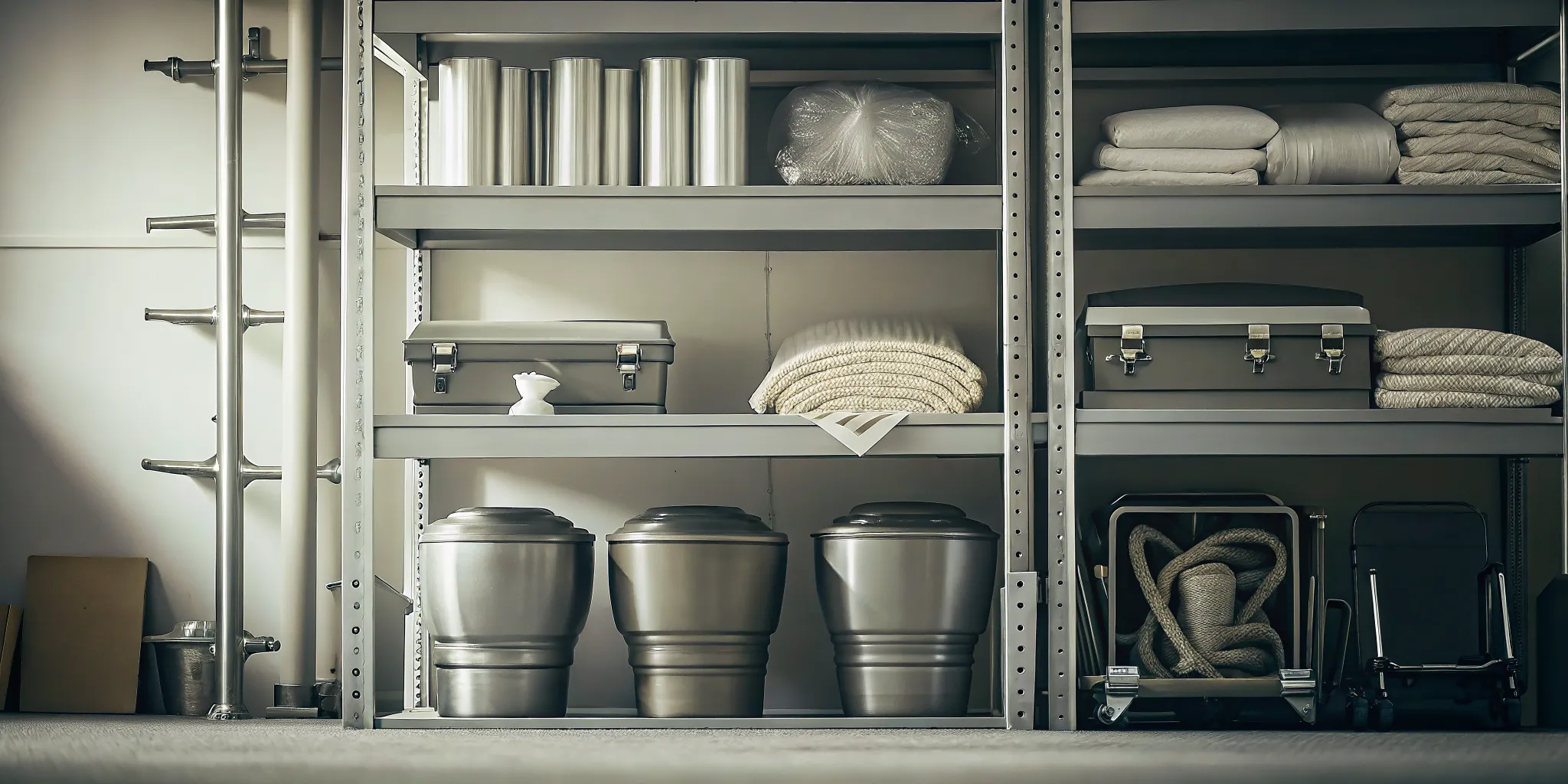
Plan urn vault and service-item inventory
Managing your stock of professional cremation supplies means more than just filling shelves. You must match what you offer to the plans families pick. This includes the final urn and the items used during the service.
Essential urn selection
Most families need a way to get remains once the work is done. You should keep temporary cremains containers for daily use. These plastic boxes offer a safe way to hold remains until a family picks a final urn. If a family needs to ship remains, keep cardboard mail boxes on hand to protect the urn during the trip.
Your stock should also include strong urn bags and cloth covers. These small items add a touch of care when you return remains to a family. Using these items shows that you respect their loss and value their trust.
Presentation and service items
How you show the final urn can mean a lot to those who mourn. Using trays or cabinets can help make a nice memorial space. These items let families see the urn in a good setting during a service or viewing.
Safe tracking is also a key part of your service items. You should use metal discs to keep a clear link to the person throughout the process. The CDC notes that there are no special rules for the burial or cremation of some diseased bodies, but clear tracking is always a best practice. This keeps your work honest and gives families peace of mind.
Secure handling and storage
Safety is a big part of picking your service items. For moving remains, it is best to use leak-proof bags to stop any spills. Following health rules, like those from the World Health Organization, helps keep your team and shop safe. Using the right bags and pads protects everyone and keeps your standards high.
Review Vischer Funeral Supplies’ cremation products and build a restocking plan around your facility’s case volume.
How should a crematory manage supply inventory?
Handling a crematory needs close prep to make sure you always have the right tools. Good stock control keeps your daily work going without any stops. It also saves your cash by helping you avoid rush orders and high shipping fees. A solid system makes sure that your team can focus on their work instead of fearing missing stock. By staying tidy, you can give the best care to the families you help.
Supply use mapping
The lead step in any stock plan is to know what you use. Start by making a full list of all your professional cremation supplies. This list should have big items like urns and small things like tracking tags. Knowing what you have is the start of a strong system. It helps you see which items you use most often and which ones stay on the shelf.
Once you have a list, sort your items by how you use them. You might have one group for safety gear and another for the chamber area. This sorting makes it easy to count stock and find things when you are in a rush. It also helps you see trends in your work. For example, you might find that you use more short-term boxes during some months.
Stock level rules
Rules help your team know when to act. For each item on your list, set a low number that must stay on the shelf. When the count hits that number, your team should know it is time to buy more. This is key for safety items like puncture proof gloves. Since these items guard your staff from health risks, you should never let the stock run out.
You should also look at how long it takes for a new order to arrive. If a tool takes two weeks to ship, your low point should be high enough to cover that time. Setting these rules takes away the doubt from buying. It gives your staff a clear path to follow, which makes the whole shop run smooth.
- Map out your supply use. List every item your team uses during the work day. Group them by where they are used to make counting easy.
- Set low stock levels. Choose a number for each item that means it is time to buy more. Base this on your past use and shipping times.
- Assign a main owner. Pick one person to lead the stock tasks. This person will be in charge of counts and orders.
- Inspect dates and state. Check your stock for items that might reach their end or wear out. Look at filters and safety gear to make sure they are still safe.
- Review stock after cases. Do a quick check of your main supplies after you finish a case. This habit helps you catch low stock early.
- Group your buying. Buy from one source when you can. This can help you get better prices and save on shipping costs.
Plan review process
No plan stays perfect for long. You should review your stock system at least once a year. Look for ways to better how you track and store items. You might find that some tools are no longer needed or that you need more of something else. Staying open to change helps you keep up with shifts in your work.
Speaking with your staff is also a great way to learn. They use these tools every day and can tell you what works and what does not. Maybe a certain type of bag is hard to use or a filter needs to be changed more often. Their feedback is key for keeping your shop running at its best.
What should you evaluate before ordering cremation supplies?
Choosing the right cremation supplies takes more than just looking at the price. You must make sure every item fits your daily work and safety rules. Before you buy, think about how a tool helps your staff and keeps your home safe. Good planning helps you avoid waste and keeps your work running well.
Check for product quality and safety
Strong equipment is a must for a busy home. For example, professional cremation supplies like steel pans or heavy rollers must stand up to high heat. Look for items that lower the risk of breaks during use. High-quality tools help you show respect for the dead and keep your team safe from harm.
The safety of your staff is the most vital part of your work. The CDC says that funeral home staff face many health risks at work. You should buy gear like heat-proof aprons and thick gloves that meet all safety laws. Good gear protects your workers from burns and germs when they handle remains.
Look at storage and ease of use
Think about your room size before you order large stocks. Items like temporary cremains containers or box mailers can take up a lot of space. You need to have enough stock but still have room to move. A good seller will ship fast so you do not have to fill up your prep room with extra boxes.
Staff ease of use is also a big deal. Ask if a new tool will save time or make a job safer. For instance, a ventless processing station helps keep the air clean without a lot of work. When tools are easy to use, your staff can focus more on the families they serve.
Find a seller you can trust
Your seller should be a partner you can lean on. Pick a group that knows the funeral trade and can give you clear facts. It helps to work with a team that can text you fast answers. Quick shipping is also a must. You cannot run out of key items like ID discs or bags when you have a busy week ahead.
- Review identification and chain-of-custody supplies.
- Check protective gear and high-heat handling tools.
- Count processing filters, cremains bags, and temporary containers.
- Confirm urn, vault, and service-item inventory.
Frequently Asked Questions
What are the basic cremation supplies for funeral homes?
Basic supplies include short-term boxes, ID discs, and special rollers. These tools help move the deceased with care while keeping a clear record. Based on American Crematory, firms also need tools to process remains and high-heat gear. Having the right stock on hand makes the work fast and smooth. It also helps the staff show respect to the families they serve.
Why are ID discs vital during the cremation process?
ID discs provide a link to the deceased that will not burn. These metal tags stay with the body through the whole heat process. This ensures that families get the right remains back. Based on Lynch Supply, custom tracking discs are a key tool for honest work. They stop mistakes and help funeral homes keep the trust of their local area.
What safety gear do crematory workers need?
Workers must use special gear to stay safe from high heat and work risks. This includes heat-proof aprons and thick gloves. The CDC notes that staff face many health risks at work and must use the right tools. Heat-proof clothes protect workers when they use the chamber. Replacing filters also helps keep the air clean in the building.
Do cremated remains need special boxes for travel?
Yes, safe storage is key for the respectful return of remains. Funeral homes often use strong bags with ties to stop leaks. The CDC says to use leak-proof bags with soft pads for travel. After the work is done, remains go into plastic boxes or urns. Using cardboard mailers adds more safety when shipping these items to families far away.
Ready to restock top-grade cremation supplies for your home?
Failing to keep your stock room full can lead to high costs and slow work times that hurt your good name and your busy team. Buying your gear now lets you stay ahead of your case load and give each family the fast care they need right away today. Taking this step today makes sure that your home stays ready for any rush and keeps your costs low for the whole long year.
Shop cremation supplies from Vischer Funeral Supplies or contact the team for help selecting the right tools for your operation.