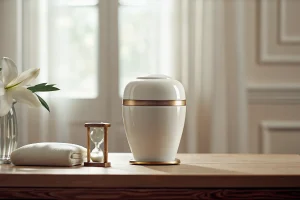

Heavy machinery and shifting soil can easily crush a burial urn without a protective urn vault. This strong box protects the urn from the weight of the earth. It keeps the grave from sinking so the site stays level and safe.
An urn vault is a strong outer box that protects a cremation urn buried in the ground and prevents heavy soil from sinking over the site. These sturdy boxes are vital because they keep the grave site level and safe from the weight of earth and large equipment like tractors and mowers. As noted by the Town of Shrewsbury, remains must often be kept in a hard and sturdy box like a vault to meet local burial rules. Families can choose from standard, oversized, or companion vault options to ensure a proper fit for their specific urn while following all local cemetery rules. This guide helps you find the right vault size and material to honor your loved one while meeting all necessary standards for a safe memorial.
Choosing the right protection for a loved one is a vital part of the burial process. You may have questions about why these boxes are necessary for your needs. We will start by looking at What is an urn vault, and why is it used? The path begins with
What is an urn vault, and why is it used?
An urn vault is a sealed, outer container used to house a cremation urn for in-ground burial. While a cremation urn holds the ashes of a person, the vault provides an extra layer of protection from the weight of the earth. These containers are often made from strong materials like concrete, metal, or high-impact plastic. For funeral homes, offering selecting an urn vault is a key part of the burial planning process.
Protecting the urn and the burial site
The main job of an urn vault is to protect the urn from the heavy weight of the soil above it. Over time, the earth can settle or shift, which puts pressure on any buried item. Without a vault, a standard urn might crack or break under this weight. According to industry standards, urn vaults protect urns in the ground and help the burial site stay level for years. This protection ensures that the grave does not sink, which keeps the cemetery grounds safe and well-kept.
Modern vaults often use many layers to keep out water and pests. High-quality models may feature concrete walls reinforced with plastic liners. Some designs also use a tongue-and-groove seal with tape to create a tight barrier. These features are key because many families want to know that their loved one’s remains are in a dry, secure space. Using standard urn vault options can provide peace of mind to grieving families during a difficult time.
Meeting cemetery requirements
Many people do not realize that cemeteries often have strict rules about in-ground burials. Most cemeteries require a “hard, durable, and retrievable container” for all remains buried on their grounds. You can see these rules in many local codes, such as those from the town of Shrewsbury. These rules are not just about tradition; they are about care. If an urn collapses, the ground above it will sink, which makes it hard for cemetery staff to mow the grass and keep the area flat.
State laws can also affect how deep an urn must be buried. For instance, some health codes state that a grave with a container that does not let water through. Like a vault, must be at least 24 inches below the surface. Before you buy, it is wise to check with the specific cemetery to learn about their local rules. While durable urn vault choices are common, every site has its own needs for material and size.
Standard, oversized, and companion urn vault options
Choosing the right urn vault starts with knowing the size of the urn. These units help protect the urn from the weight of the soil and heavy tools. You can find many standard urn vault options that fit most single urns. It is also wise to check the rules for your cemetery before you buy.
Single and standard vaults
A standard urn vault fits one adult urn. Most models use strong materials like concrete or tough plastic to stop the grave from sinking. According to cemetery guidelines, a vault must be strong enough to stay in one piece for a long time. These models are a common choice for people who need a simple and firm burial box.
When you pick a standard size urn vault, you must measure the outer size of your urn first. Most vaults have a set space inside. If the urn is wider or taller than the vault, it will not fit. You should also ask about the weight of the vault. Heavy concrete units may need special tools to move.
Oversized and companion choices
Oversized urn vaults are larger than the standard size. They are built for big urns or those with odd shapes. Some people pick these when they want to bury small items with the urn. A high-quality urn vault will often have a seal to keep out water and pests. This helps keep the inside safe from the air and rain for many years.
Companion vaults are a unique choice for two people. They have enough space to hold two urns in one burial site. Many cemeteries allow a single plot to be used for two urns when a companion vault is used. This can be a smart way to save space while keeping loved ones together. These vaults come in side-by-side or stacked styles.
Comparison of vault types
Use the table below to see the differences between these three common types. Each style serves a specific goal based on your needs.
| Vault Type | Urn Capacity | Main Use Case |
|---|---|---|
| Standard | One adult urn | Single burial |
| Oversized | One large or wide urn | Extra space for items |
| Companion | Two adult urns | Burial for a couple |
Check the capacity and main use first, then verify the exact inside and outside dimensions.
Practical selection criteria
You must always check the rules of the cemetery. Some states or local areas have strict health codes for burial. For instance, Texas codes require a vault to be buried at least 24 inches below the surface. A local funeral director can help you follow these rules to avoid any problems on the day of the burial.
Price is also a key part. A basic plastic vault is often the cheapest choice. Concrete models with liners cost more but offer more strength. Always look at the total value. Think about how well the vault protects the urn from the weight of the earth. Choosing the right material ensures the ground stays flat and safe for years to come.
How do you choose the right urn vault size?
Choosing the right size for an urn vault depends on two sets of facts. You must know the full size of the urn and the inside space of the burial case. Many cemeteries want an outer case to protect the urn from the weight of soil and heavy gear. You can find selecting an urn vault easier when you have these exact numbers ready.
Measure the urn outside
Start by measuring the widest parts of the urn. Include any handles or trim that stick out from the main body. If the urn is not a simple box or tube, check the width across the corners as well. It is best to leave a small gap on all sides to ensure a safe fit. Many people find that standard size urn vault models work for most single adult urns.
Check the vault inside
The outer size of the vault shows how much space it takes in the ground, but the inner size shows if the urn fits. Makers list these specs as the inside space. Keep in mind that some vaults have sloped walls that are tighter at the bottom. You should use the smallest width when you check it against your urn. Strong vaults use thick layers of stone and plastic to keep the urn retrievable and protected from the earth.
Check the maker specs
Never guess the size from a photo. Use the official spec sheets from the maker to check the height and width. If you are placing two urns together, you will need a companion vault. These are wider to hold two urns side by side. Always ask for the exact inside space before you buy to avoid any fit problems at the grave site.
- Measure the full height, width, and depth of the urn.
- Add a small gap to make it easy to place the urn inside.
- Check these numbers against the inside space of the vault.
- Check if the vault walls are straight or sloped.
- Confirm with the cemetery that the vault meets their rules.
Check cemetery requirements before ordering
Buying a burial case is a big step in the funeral work. You must talk to the cemetery staff before you buy an urn vault. Each graveyard has its own set of rules.
Some places have strict needs for the type of box you use. Checking these rules soon helps you avoid high fees or shipping delays. It also makes sure the site stays safe and level for a long time.
Know the rules for outer boxes
Most states do not have laws that force you to use a vault. But many private and public cemeteries do. They often need a hard, tough box to protect the ground from heavy tools.
These rules help protect the urn from the weight of the soil. They also keep the site from sinking over time. Using a strong box keeps the grave flat and easy to mow.
Some sites may need certain goods like concrete or thick plastic. You should ask if they allow an outside seller for picking an urn vault. Some graveyards may try to sell you their own stock.
Based on local burial rules, remains must often be in a hard, lasting box. Knowing these facts soon saves money and stress.
Check grave space and size
Space in a cemetery is often tight. You need to know the exact size of the grave lot before you pick a vault. Urn vaults come in standard, large, and companion sizes.
A companion vault is made to hold two urns in one spot. If you plan to put more than one urn in a lot, check the lot rules first. Some plots allow a mix of a casket and an urn.
Burial depth is another key point. Local health codes may set how deep a vault must be. For example, some rules say a vault must sit at least 24 inches below the top of the soil.
You will need to give the cemetery the exact size of the vault to get an okay. This helps them dig the right size hole. It also stops them from hitting other graves.
Paperwork and permits
Burying an urn takes more than just a vault and a lot. You will need the right papers to finish the job. Most cemeteries ask for a cremation certificate and a burial permit before they start.
Without these forms, you cannot move forward with the service. It is best to get these papers ready as soon as the cremation is done.
Funeral directors can help with this step. They often talk to the cemetery office to set up the drop-off of the vault. They know the local laws and can make sure everything is in order.
If you buy a vault online, tell your director so they can help with the hand-off. Working with a pro ensures the burial goes as planned without a hitch.
Engraving, name plates, and presentation details
Personalization lets families honor a loved one through unique memorial details. Small additions like custom name plates or engraved messages can help create a fitting tribute during a graveside service. These options allow for a personal touch before the selecting an urn vault process is finished with the cemetery.
Custom engraving and name plates
Many families choose to add a name plate or direct engraving to the outside of the vault. These details often include the full name of the person along with birth and death dates. Some high-quality vaults use multiple layers for protection, such as reinforced concrete or polymer liners. These parts give a sturdy surface for memorial markers. According to industry facts, these liners also help the vault keep its shape under the weight of the soil (trigard.com).
When you pick a name plate, it is best to check for material fit. Metal plates are common, but they should be put on with glue that can handle ground moisture. Funeral directors often help families pick font styles and looks that match the tone of the service.
Accuracy and timing
Check all facts as a key part of the process. Before any engraving starts, you should double-check all spelling and dates for accuracy. Most providers need a signed proof before they start the work to avoid errors. It is also vital to think about the lead time for these custom services. While standard urn vault options may be in stock, custom work can add a few days to the prep time.
Some cemeteries may also need certain papers before the burial takes place. For example, a cremation certificate and a burial permit are often needed to move ahead with the service (shrewsburyma.gov). Checking these rules early helps make sure the vault arrives on time and meets all local standards.
Presentation at the graveside
The look of the vault can be a main point of the ceremony. Families may choose to have the vault on a stand or lowered during the last part of the service. Decorative marks or specific colors can show the personality of the loved one. These small details give a sense of closure and help create a good experience for those there.
How funeral homes can guide the selection
Funeral directors play a key role in helping families pick the right burial gear. When a family chooses cremation, they often need help finding an urn vault that meets both their needs and cemetery rules. You can lead this process with a clear path. This starts by looking at the rules for the burial site and checking for any size limits. By acting as a guide, you help families feel sure about their choice during a tough time.
Check cemetery rules
Most cemeteries have rules about the type of cases allowed in the ground. These rules help protect the site and keep the grass level over time. Many cemeteries now need a hard and sturdy case for any burial. If a family is working with a licensed funeral director, that expert will call the cemetery office to learn the local rules. This check is vital because rules can change from one place to the next. Some spots may only allow certain materials like concrete or steel.
You should also check for any rules about how deep the vault must be buried. In some areas, local codes say that the top of a vault must sit at least 24 inches below the soil surface. By finding these facts early, you prevent issues that could stop a service. You can also tell the family if the cemetery sells its own vaults or if they can bring their own. This talk helps the family plan their budget and avoid surprise fees.
Select the right size
Once you know the rules, the next step is to find the best fit. You must help the family match the size of the urn to the inner space of the vault. It is common to see standard, oversized, and companion options in a funeral home’s product line. A companion vault is a good choice for two people who want to be buried together in one grave lot. When you are selecting an urn vault, you should verify the outer size as well. This ensures the unit will fit in the grave space the cemetery has set aside.
You can also talk about the different levels of care. Some units use a simple shell, while others have reinforced concrete and thick liners. Strong vaults often use a tape seal to help keep out water and soil. You can show the family how these parts work to protect the urn from the weight of heavy cemetery tools. Helping the family see the value in a strong vault makes the choice easier for them. They will know the final resting place is secure.
Help with burial papers
A big part of your job is to handle the records and permits needed for the burial. To finish the plans, you will often need a cremation paper and a local burial permit. You can guide the family through the task of filling out the forms. These forms usually ask for the exact size of the vault and the lot number. Having these details ready makes the process fast and keeps the cemetery staff happy. You can also tell the family what to expect about the time it takes to set up the grave site.
You should also write down every choice made during the meeting. This list of decisions helps the family stay on track and keeps everyone on the same page. Mentioning any custom options like name plates or emblems is also helpful at this stage. By taking care of the details, you allow the family to focus on their loved one. A smooth process shows your skill and builds trust with the people you serve. Your guidance ensures the burial happens without any last-minute stress.
Final urn vault ordering checklist
Before you finalize your order, you must check the fit and rules for the burial site. Finding the right way of selecting an urn vault ensures the urn stays safe in the ground. Use this list to verify all the details before you buy.
Check urn and vault size
The most vital step is to match the outer size of the urn to the inner space of the vault. Urns come in many shapes, so you must measure the width and height of the urn you have. A standard size urn vault fits most single urns, but you should still check the exact specs. If the urn is large or has an odd shape, you might need a bigger or companion model.
Verify cemetery rules
Every cemetery has its own rules for what can be put in the ground. Some sites need a hard case like durable urn vault choices to stop the soil from sinking. Other places may not have any rules about vaults at all. You should also ask if they need papers like a burial permit or a cremation certificate (Mountain View Cemetery guidelines).
Cemeteries may also limit how many urns go into one plot. Some lots allow two urns or a mix of a casket and an urn. Knowing these rules helps you pick a vault that fits the plot and the cemetery needs. In some states, health codes also set how deep the grave must be when you use a vault.
Final details and coordination
Double check any names or dates if you add a plate to the vault. Small errors can cause big delays when the time for the burial arrives. You should also talk to the funeral director about when the vault will arrive at the site. They often handle the final plans with the cemetery office for you. This ensures the vault is on site and ready for the service.
Frequently Asked Questions
Why is an urn vault needed for cemetery burial?
Graveyards use heavy tools to keep the grass and soil looking good. Without a strong box, the weight of these machines and the earth can cause a grave to sink. According to Vischer Funeral Supplies, a vault protects the urn from this pressure. It also keeps the ground flat so it is safe to walk on. Using a vault stops the soil from shifting and protects the urn from damage for many years to come.
Does an urn made of stone need a burial vault?
Yes, most cemeteries need a vault even if the urn is made of strong stone or metal. While stone is tough, it can still crack if the earth shifts or if heavy tools drive over the grave. Based on rules from the Town of Shrewsbury, all remains must be in a hard, strong case. A vault adds an extra layer of safety. It makes sure the urn stays safe and the ground stays level over time.
How deep must an urn vault be buried?
Burial depth is often set by state or local health laws. For example, the Texas Health and Safety Code states that graves using a vault must be buried at least 24 inches deep. This means there must be two feet of soil above the top of the box. These rules help keep the site safe from water and pests. You should always check with your cemetery staff to find the exact depth rules for your specific grave lot.
Are urn vaults airtight once they are sealed?
Many vaults use a special tape seal to keep out air, water, and soil. This tongue-and-groove seal creates a very tight bond between the lid and the base. According to Trigard, some vaults also have a thick liner made of strong plastic. These parts work together to protect the urn from the outside world. This helps make sure the remains stay dry and safe for a long time.
Ready to find the right urn vault for your cemetery needs today?
Picking the wrong type of vault can lead to high fees or delays that add extra stress during a hard time of grief and loss. Buying the right size today makes sure that you meet every local code and keep the urn safe from the weight of the earth. Getting these details right now saves you from costly last minute changes so you can focus on what matters most for your loved one.
Ready to contact Vischer Funeral Supplies for help picking the right urn vault? Call 800-752-8767 to talk to a funeral supply expert about our standard urn vault options and our solid and strong products today.