

Proper eye caps embalming supplies help funeral professionals maintain a natural, peaceful appearance while managing the effects of tissue dehydration with care.
Shop professional eye caps for your preparation room.
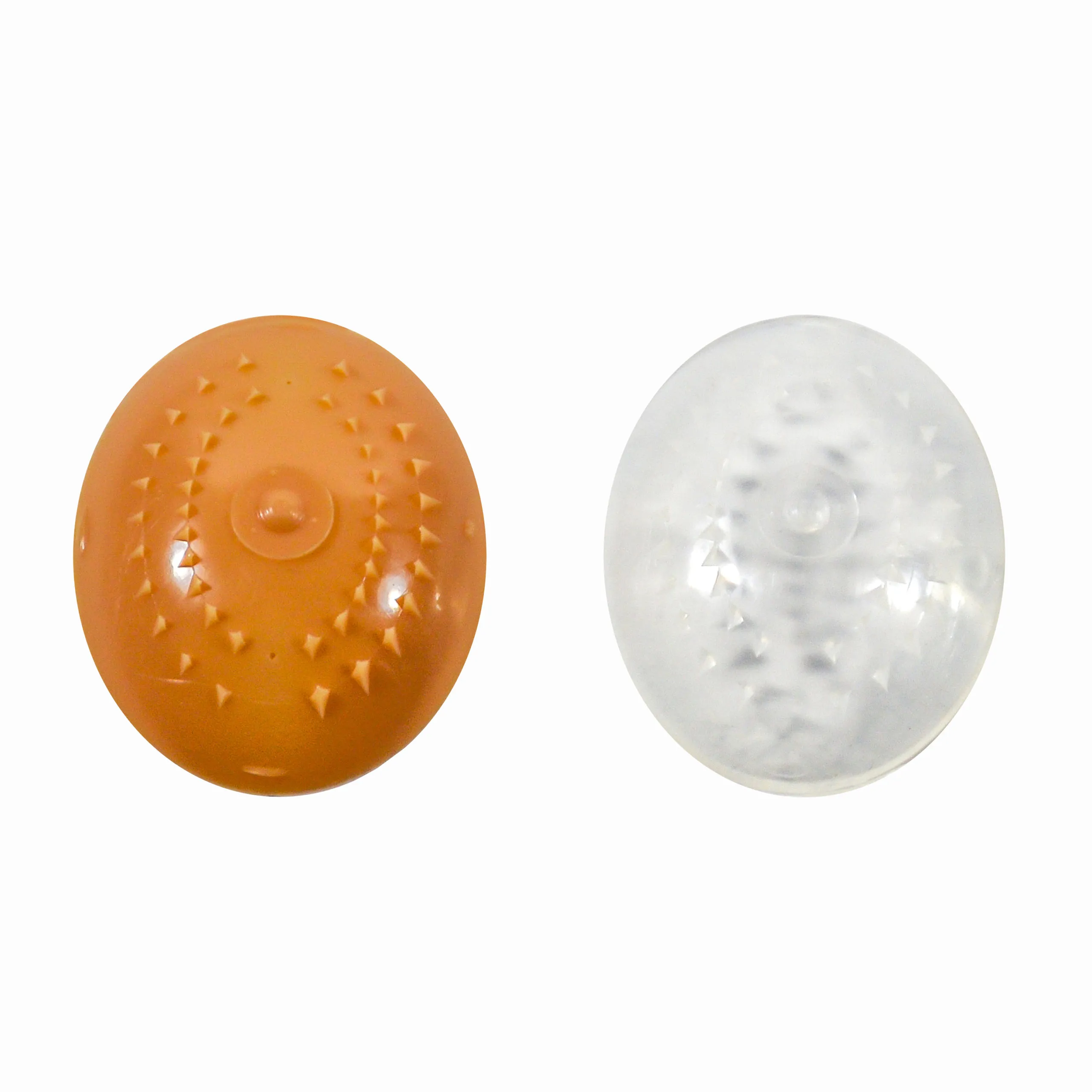
Eye caps embalming tools are small, oval-shaped plastic or silicone discs used to maintain a natural, resting appearance for the deceased by providing key structural support. These professional supplies fit over the eyeball and beneath the eyelid to help the deceased look peaceful during the restoration and preservation process for viewings. As the body loses moisture, tissue dehydration often causes the thin skin of the lids to shrink and pull apart which these caps prevent. The textured surface grips the thin tissue to keep the eyes closed while preventing the sunken look that occurs without the support of these professional tools. You can choose from various sizes and colors, like clear or flesh-toned options, to ensure the best fit and appearance for every individual case you handle.
Professional prep starts with knowing the basic tools and their role in restorative art, so you must know how to pick the right size for results. To build your expertise, we will first look at What are eye caps in embalming? and their key uses. The path begins by asking.
Eye Caps Embalming: What are eye caps in embalming?
Eye caps are small, oval-shaped discs used in the prep room. Mortuary experts make these tools from plastic or silicone. They fit them over the eye and under the eyelid during the embalming process. These items keep the eyelids closed and help the face look at rest. For many funeral homes, they are a key part of body prep for a viewing.
Purpose of eyelid closure
The main job of an eye cap is to hold the eyelid in place. In the hours after death, the body starts to change. The soft tissue around the eyes can lose moisture and shrink. This tissue dehydration often causes the lids to pull apart or open. Eye caps give the lid a firm shape to rest against so this does not happen.
Keeping a closed eye is also about safety. Keeping the eyes shut helps protect the area during the embalming step. It ensures that fluids and gases stay where they should. Embalmers often use eye dressing forceps for placing these discs with care. Using the right tool helps prevent damage to the thin skin of the lid.
Design and style options
Makers design eye caps to be simple but helpful. Most have a rough surface on the top side. These tiny bumps or ridges grip the inside of the eyelid. This grip keeps the lid from sliding or moving during the funeral service. Experts can choose from many sizes to fit the person they are serving.
Eye cap styles also vary to suit different needs. You can find clear discs that blend in easily. Some firms prefer flesh-toned options for a more solid look. These choices allow the embalmer to get the best result for each case. Most supply shops sell these in large packs of 24 or 144 pieces.
Restoring a natural look
A peaceful look is the goal of any open-casket viewing. Without support, the eyes may look sunken or flat. Eye caps provide a gentle curve that mimics the natural shape of a living eye. This helps create a soft, resting look that provides comfort to families. It turns a hard moment into a memory of peace.
Some cases need extra help to stay sealed. An embalmer might use a special cream or gel with the cap. These products help with proper eye sealing techniques to keep the lids shut tight. This step is key for a long viewing or when the body must travel. Proper prep ensures the person looks their best until the final service.
Why funeral professionals use eye caps
Funeral directors use eye caps to help the deceased look peaceful. These small plastic discs sit under the eyelids. They play a key role in the preparation of a body for viewing. Without them, the eyes might not stay closed or look right. Professionals use these tools to solve several common issues that happen after death.
Maintain a natural appearance
Setting the features is a vital part of mortuary work. Eye caps help by giving the eyelid a firm base to rest on. This creates a natural shape for the eye area. It ensures the person looks like they are in a deep sleep. When properly set, these discs maintain a natural eye contour for open-casket services. This helps families feel more at ease during a final goodbye.
The eyes can change quickly after death. The tissue may sink or move. Professionals often use eye dressing forceps for positioning the caps with care. This tool helps place the disc exactly where it needs to go. This precision is what makes the final result look so life-like. It prevents the eyes from looking hollow or uneven.
Prevent eyelid separation
One major challenge in the prep room is tissue drying out. As water leaves the body, the eyelids can shrink and pull apart. This can happen during the embalming process itself. Using eye caps prevents eyelids from opening due to this dehydration. The cap has a textured surface that grips the lid. This grip keeps the tissue in place even as changes occur.
For a better seal, some directors add a small amount of cream. You can use proper eye sealing techniques to keep the lids closed tight. This extra step prevents air from getting under the lid. It keeps the area moist and stable. This is very helpful when the time between the service and the viewing is long.
Protect the eyes from change
Early changes to the eye can affect how a person looks. Issues like corneal haziness or dark spots can show up soon after death. A study found that these external eye findings can start in the early post-mortem interval. Eye caps act as a shield. They cover the eyeball and keep the lids from moving. This helps hide any changes that might be upsetting to a family.
Using these discs is not just about looks. It is about control. They allow the professional to set the eyes once and trust they will stay that way. This saves time and reduces the need for last-minute fixes. By using the right supplies, funeral homes can provide a consistent and high-quality service for every family they help.
Types, colors, and sizes of eye caps
Choosing the right eye caps embalming tools is a key part of the prep process. These small discs are made from plastic or silicone. They help keep eyelids closed by gripping the skin with a rough surface. This prevents lids from opening due to tissue dehydration after death, as shown in studies on post-mortem changes. Most shops buy these items in bulk boxes of 24 or 144 pieces. Keep more than one size and color available so the prep room can respond to the needs of each case.
Clear versus flesh-tone options
Color choice is a big part of creating a natural look. Clear eye caps are the standard choice for most cases. They are easy to see through while you work. This helps the practitioner check the spot and make sure the lid is in the right place. While clear caps are common, some pros like flesh-toned options for special needs. These can help hide dark spots or bruising near the eye.
Flesh-tone caps come in many shades to match skin tones. They give a base layer of color that makes it easier to use makeup later. Some embalmers use them when the eyelid is very thin. This stops the white or clear plastic from showing through the skin. Both types use the same small bumps to hold the lid shut. Choosing one often depends on the case and the room’s usual plan.
Small versus large sizing
Eye caps come in small, medium, and large sizes to fit different people. A small cap is often best for children or adults with small features. Using a cap that is too big can make the eyelid look stretched. But a cap that is too small might not give enough support. This can lead to a sunken look. Medium is the most common size used in funeral homes today.
Large eye caps are used for cases with big eye sockets or when there is swelling. The goal is to fill the space and bring back the natural curve of the eye. Practitioners often use eye dressing forceps for positioning the cap in the right spot. The right size makes sure the lid sits at a height that looks peaceful for the family.
Selecting the best fit
The final choice of cap depends on the case and your own judgment. No single size or color fits every person. Pros must check the state of the eyes, the age of the person, and the viewing style. While standard caps work for most, some cases like eye donation may need extra care to fill the eye area. The right choice helps you give the best care.
| Feature. | Clear Eye Caps. | Flesh-Tone Eye Caps. |
|---|---|---|
| Visibility. | High, easy to see position. | Low, helps mask discoloration. |
| Cosmetic use. | Works with standard cosmetics. | Gives a tinted base layer. |
| Main benefit. | Good for many cases. | Helps mask discoloration. |
| Standard use. | Common for daily preparation. | Useful for restorative work. |
To get a tight seal, some pros also use proper eye sealing techniques with restorative compounds. This helps stop leaks and keeps the lids in place. Whether you use clear or flesh-tone, the goal is to keep the dignity of the person in your care. This is a key part of your work in the funeral trade.
Compare available eye caps before your next preparation-room order.
How to select eye caps for the prep room
Picking the right tools is a big part of your job. It helps make sure the body looks calm for the family. You should pick items that work well with your current prep steps. When using eye caps for embalming, the right choice stops dry skin from making the eyes open during the work. Using eye dressing forceps for setting helps you place each cap with care.
Check for the right size and fit
Size is the first thing to look at when you buy eye caps. Most brands offer small and large options. A good fit means the cap covers the eye well but does not push against the lid too much. If the cap is too big, it might stretch the skin. If it is too small, it may not hold the lid shut. You want a cap that fills the space in a natural way. This keeps the look of the face as it was in life. Many pros keep both sizes on hand so they can match the needs of each person.
Choose the best material
You can find eye caps made from plastic or silicone. Some are clear, while others have a skin-like color. Clear caps let you see the eye below, which can help you check your work. Skin-toned caps may look better if the eyelid is thin. Most high-quality caps have a rough or textured top. This texture helps the cap grip the lid tissue. This grip is vital because it stops the lid from slipping or opening. You can also use proper eye sealing techniques with a compound to get a tight seal.
Match your prep room methods
Every funeral home has its own way of doing things. You should pick eye caps that fit into the way you work now. Some pros like to use caps before they start the fluid flow. Others wait until the end. Make sure the caps you buy work well with the fluids and creams you already use. If you do a lot of restorative work, you might want caps that can hold extra weight. The goal is to make your work fast and easy while getting the best results.
Think about bulk buying
Use this concise buying checklist before placing an order:
- Fit: stock sizes that suit the range of cases your team serves.
- Appearance: keep clear and flesh-tone options available.
- Texture: confirm the cap provides reliable eyelid grip.
- Quantity: set a reorder point based on monthly usage.
Buying in bulk is a smart way to save money for your funeral home. Most boxes come with 24 or 144 caps. A box of 144 is often called a gross. Buying a gross is usually the best value. Keeping a full stock means you are always ready for any case that comes in. Proper eye prep is a key step to manage tissue dehydration and other changes after death. Keep your caps in a cool, dry place so the plastic stays in good shape for a long time.
- Look at the eye shape of the deceased to see which size will fit best.
- Choose a clear or skin-toned cap based on how the eyelids look.
- Set the cap on the eye and make sure it sits flat and does not move.
- Gently pull the eyelid over the cap to let the textured surface grip the skin.
- Check that the lids meet in a natural line without any gaps or folds.
- Use a small amount of sealing cream if the lids do not stay closed on their own.
Buying considerations for eye caps
Choosing the right eye caps for embalming takes a mix of fit, material, and cost. Funeral homes must buy tools that work for many different cases. The best caps give a natural look while holding the lid shut against body changes. Good care for the eyes right after death helps reduce corneal changes that can affect how a person looks.
Picking the right type and size
Most eye caps come in clear or flesh-toned plastic. Clear caps help because you can see the eye while you work. Flesh-toned caps may blend better if the skin is thin. You also need to keep different sizes in stock. While standard caps fit most people, having small or large options on hand helps you match any face. Using eye dressing forceps for positioning the cap can help you check the fit before you finish.
Size is key for a good seal. If a cap is too big, it can stretch the lid and look odd. If it is too small, it may not grip the skin well enough to stay shut. Many pros use proper eye sealing techniques with creams to fill any gaps and keep the tissue moist.
Bulk amounts and stock levels
Buying in bulk is the best way to keep costs low and make sure you have what you need. Most firms sell eye caps in boxes of 144 pieces. Keeping a full box in stock is smart for homes that handle many cases each month. Frequent orders can lead to high shipping fees, so large counts are often better. You should also find a shop that can ship fast when your stock gets low.
Supplier help and trust
Fast shipping and expert help are vital when buying prep room items. Learn more about Vischer Funeral Supplies and its professional funeral-service focus, including its role as an official licensed distributor for The Champion Company. You want a shop that knows the tools and can answer questions. A good vendor will offer many types of caps and tools in one place. This makes it easy to keep your work the same every time. Look for a partner who values long-term help and can give you a fair price. Top-quality caps stay in place even as skin dries out, which is a natural post-mortem change that happens after death.
Stock dependable preparation supplies for a more efficient prep room.
Stocking and organizing eye caps
Good storage of eye caps in the prep room helps you work faster. These small discs keep eyelids shut to stop them from opening due to dry tissue. You should keep them in a clean, dry spot. This keeps them free from dust and dirt before you use them.
Managing your stock
Most funeral homes buy preparation supplies in large lots. These items often come in boxes of 24 or 144 pieces. It is smart to track your stock so you do not run out. You can use a simple log to note when a box is open. This tells you when to buy more from your supplier.
Sorting by size and type
Eye caps for embalming come in many sizes and colors. Some are clear and some match skin tones. Putting these types into labeled bins saves time. Clear bins let you see how many you have left. Many pros keep eye dressing forceps for positioning the caps near the bins. This keeps all your tools in one place.
Staff rules and safety
Clear rules help your team give the same care to every case. Follow the box tips for storage to keep the plastic or silicone in good shape. Studies show that the right lid spot is key to stop eye changes after death, as noted by the National Library of Medicine. Picking one spot for every tool helps your team work well and avoid mistakes.
Frequently Asked Questions
How do you apply eye caps during embalming?
Embalmers place these small discs over the eyeball and under the eyelid. The cap has a rough surface that grips the skin of the eyelid. This helps keep the eye shut and gives it a natural shape. You should use eye dressing forceps to set them correctly. This tool makes it easy to move the cap into the right spot. Proper placement ensures the deceased looks peaceful for the viewing.
Why do eyelids open during the embalming process?
Eyelids often open because the body loses water after death. This is called tissue dehydration. As the skin dries out, it shrinks and can pull the eyelids apart. According to the National Institutes of Health, this change is common in the early stages after death. Eye caps stop this by holding the lids in place. They also support the eye so it does not look sunken or flat.
What sizes of embalming eye caps are available?
You can find eye caps in two main sizes: small and large. Most suppliers sell them in both clear and flesh-toned colors. The clear ones work well for most cases, while the flesh-toned ones can help hide the cap under thin skin. Choosing the right size ensures a good fit for the person’s face. This helps maintain a natural eye contour and keeps the eyelids closed during the funeral service.
How many eye caps come in a standard box?
Most professional mortuary supply companies sell eye caps in bulk. A standard box usually holds 144 pieces, which is also called one gross. Some vendors also offer smaller packs of 24 pieces for lower-volume needs. Buying in bulk helps funeral homes save money and ensures they always have enough stock for every case. It is a good idea to keep both clear and flesh-toned options on hand for different needs.
Ready to shop eye caps and preparation room supplies?
Waiting to order your prep room tools can lead to a lot of stress when you are not ready for a new case that just arrived. Using old items or waiting too long to buy more leads to poor results that families will notice during the open casket viewing. When you have the right items on hand, you can work with care and speed to give every person a very natural look. Getting your stock ready now means you will be set for your next case without any last minute stress or high rush shipping costs. You can also find the right eye dressing forceps and keep your high work quality by having the best tools in your room today.
Ready to shop? Visit our store to shop eye caps and preparation room supplies.