

Poor cavity treatment leads to gas and purge that can ruin a funeral service. Every prep room needs a clear plan to select high-quality cavity embalming fluid formulations that preserve visceral organs. We show you how to find the right strength for every case.
Cavity embalming fluid is a highly concentrated preservative formulation engineered to preserve visceral organs that blood vessels cannot reach. It uses high levels of preservatives like formaldehyde or glutaraldehyde to kill bacteria and stop decay. Most formulations lack dyes because cosmetic tissue coloring is unnecessary. Instead, these chemicals dry and firm the thoracic and abdominal cavities to halt gas and odors. This process is essential for managing cases where post-mortem purge is a high risk. As noted in medical research , direct cavity treatment is vital because standard arterial injection fails to fully penetrate visceral organs.
Choosing the best chemical is a vital part of your work in the prep room. This guide shows you how to pick the right strength for your needs. The path begins with a look at What is Cavity Embalming Fluid and Why is it Essential?
What is Cavity Embalming Fluid and Why is it Essential?
A definition of cavity fluid
Cavity embalming fluid is a highly concentrated preservative formulation engineered to preserve visceral organs. During the prep process, an expert injects this liquid right into the chest and belly. It is made to treat the soft parts that sit deep inside the body. This fluid works to stop decay and kill germs in the gut and lungs. By using our full range of Champion embalming fluids , you can ensure the best results. These tools help keep the body stable for the funeral service.
Cavity fluid vs arterial fluid
This fluid is not the same as arterial fluid. Arterial fluid moves through the blood vessels to reach the skin and limbs. But cavity embalming fluid is much thicker. It has more chemicals like formaldehyde and does not contain any dyes. Since it does not go through the heart or veins, it can be much stronger.
Most of these fluids use high levels of chemicals to dry out the tissue. This high strength is needed because the organs hold a lot of water and germs. Without this strong drying action, the body would not stay firm. The chemical mix must be strong enough to reach all the hollow spaces in the torso. This ensures that the work lasts through the whole viewing period.
Why cavity treatment is needed
Many people ask if arterial work is enough on its own. The short answer is no. Standard arterial work does not reach the lungs, stomach, or other organs in the middle. A study in the Journal of Anatomy shows that cavity work is a must to treat these parts. Without it, the inside organs would break down fast.
This rapid decay leads to bad smells and gas build-up. These gases can force fluids out of the nose or mouth, which is called a purge. Good cavity work stops this from starting. It involves two main steps. First, the expert removes gases and fluids from the torso. Then, they inject the strong cavity fluid. This two-part process is the only way to treat the chest and belly areas. It is a vital part of expert embalming.
The main part of most cavity fluids is formaldehyde. This chemical bonds with proteins to halt the rot process. Some brands also use glutaraldehyde or phenol for extra drying power. These chemicals are very strong and can be risky to breathe. OSHA safety rules say you must have good air flow in your prep room. You should also wear gloves and masks to stay safe. At Vischer, we offer all the essential funeral home preparation supplies to help you work safely. Key safety steps include:
- Checking for proper air flow in the prep room.
- Wearing chemical-safe gloves and aprons.
- Using a face shield to prevent splashes.
Using the right tools protects both you and the families you serve.
Arterial Fluid vs. Cavity Embalming Fluid: Key Differences
Embalming involves two main types of chemicals: arterial and cavity fluids. Each fluid has a specific job in the prep room. Knowing the difference between them is vital for any prep expert. Arterial fluid flows through the vascular system to reach the tissues. In contrast, cavity embalming fluid goes directly into the organs within the torso.
How they are used
Arterial fluid is injected into the blood vessels. This method uses the body’s own network to spread the chemicals. However, arterial injection alone does not always reach the internal organs well enough. Research shows that cavity treatment is needed to preserve the thoracic and pelvic viscera.
Cavity fluid is not pumped through the veins. Instead, it is injected directly into the body cavities after aspiration. This step removes gases and liquids from the organs. Once the cavities are empty, the expert adds the strong fluid to halt decay. This work often takes place at a professional-grade embalming station .
Differences in strength
One major difference is the chemical strength of each fluid. Champion cavity fluids often have a much higher index than arterial fluids. This means they have more formaldehyde or glutaraldehyde to kill bacteria fast. While arterial fluids are diluted with water, cavity fluids are used in their strong form. Experts can choose from our full range of Champion embalming fluids to find the right strength.
- Arterial fluids use the blood vessels to spread.
- Cavity fluids go right into the torso organs.
- Arterial fluids have dyes for a lifelike look.
- Cavity fluids are very strong for deep care.
Standard arterial fluids may have a lower index to keep the skin looking natural. High-index cavity fluids work to firm the tissues very quickly. Some fluids have a high CPF rating for the most difficult cases. This high strength helps prevent the escape of gases from the nose or mouth. It ensures the trunk of the body stays preserved for the service.
Dyes and appearance
Arterial fluids usually contain dyes. These dyes give the body a lifelike look. They help the embalmer see where the fluid has traveled in the skin. Cavity fluids do not contain these dyes. Since they are used inside the body, there is no need for a cosmetic effect. Using cavity fluid on the skin would be too harsh and could cause burns.
For safety, OSHA requires proper airflow and PPE when handling these strong chemicals. Professionals should always use essential funeral home preparation supplies like gloves and aprons. This protection is vital when working with phenol or high-index fluids in the prep room.
How is Cavity Embalming Fluid Applied in the Prep Room?
The process of applying cavity embalming fluid is a core part of prep room work. While arterial injection treats the vascular system, it does not always reach the internal organs. This makes direct treatment of the thoracic and abdominal cavities needed to ensure full body preservation.
The role of aspiration
Before you add any chemicals, you must first clear the body cavities of gases and liquids. Embalmers use a long, hollow tool called a trocar for this step. This tool allows for the removal of waste from the chest and stomach areas. This helps to stop issues like post-mortem purge from the mouth or nose.
Using a sharp trocar is a vital part of the essential funeral home preparation supplies used in most prep rooms. By clearing these spaces first, the chemicals can better reach and soak the internal tissues. This step stops the growth of decay-causing germs that arterial fluid alone might miss.
Injecting the cavity fluid
Once the cavities are clear, the next phase is the direct injection of the cavity embalming fluid. This is often done using the same trocar used for the first step. The fluid is spread through the torso to reach the internal organs. This strong solution is key for the long-term preservation of the visceral organs.
Embalmers often use gravity or a pressure-based system to move the fluid through the trocar. For standard cases, one or two 16-ounce bottles of fluid are often enough to treat the main cavities. Using high-quality chemicals from our full range of Champion embalming fluids helps ensure that the preservation is both deep and reliable.
- Insert the trocar: The embalmer makes a small entry point in the abdomen to insert the hollow metal tube.
- Begin aspiration: The tool is moved through the organs to draw out blood, gases, and other fluids.
- Connect the fluid: A bottle of cavity embalming fluid is attached to the trocar using a plastic tube.
- Distribute the chemical: The fluid is injected while the trocar is moved to ensure all organs are coated.
- Seal the entry: After the fluid is in, the small entry point is closed with a trocar button or a stitch.
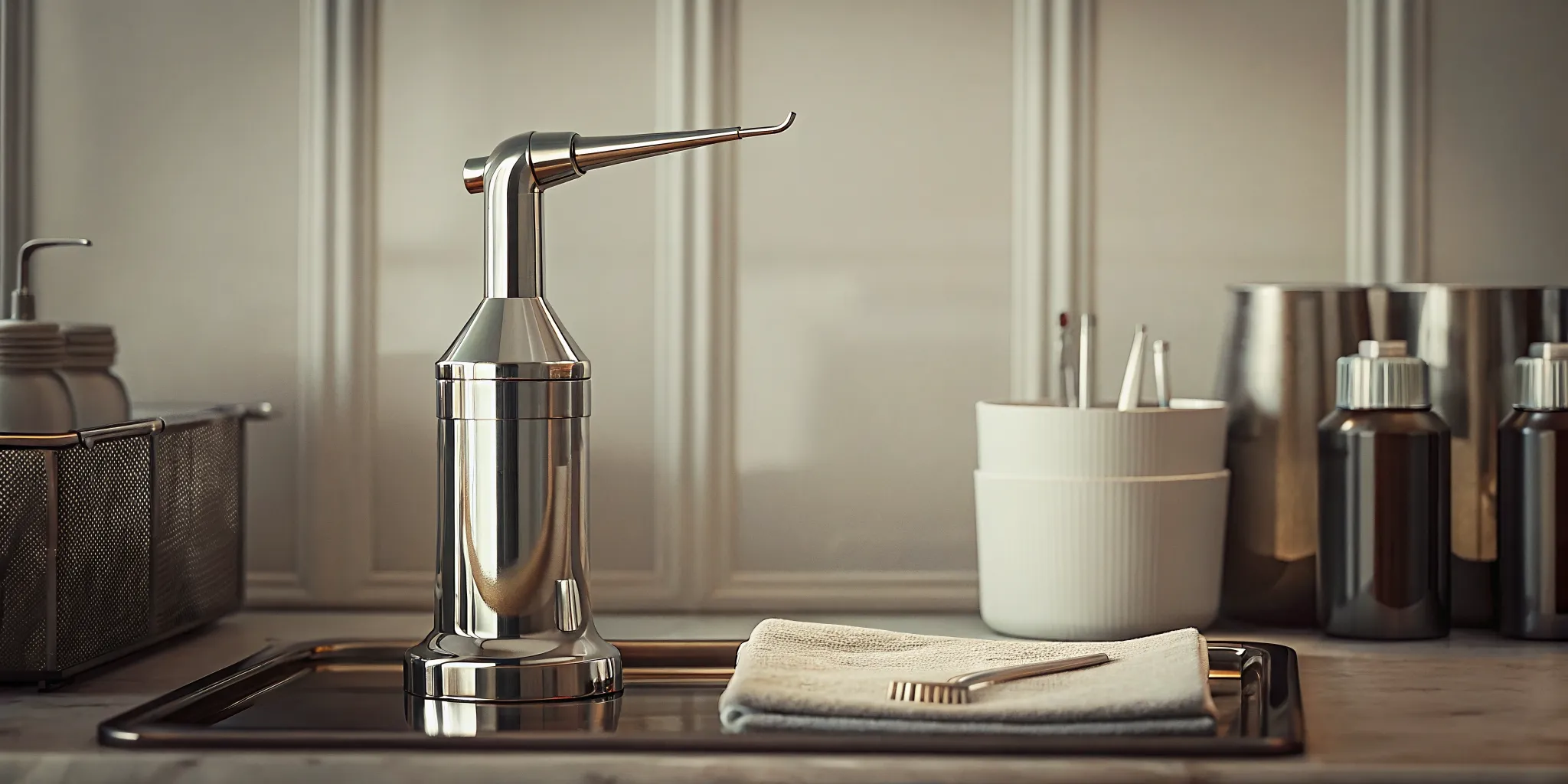
This careful sequence is needed because arterial embalming often fails to fully reach the abdominal and pelvic organs . Without this direct treatment, the body could still face rapid decay from the inside out. Following these steps helps the prep team reach the best results for every case they handle.
Selecting the Right Formulation: Champion’s CPF Rating System
Choosing the best cavity embalming fluid needs a clear look at chemical strength. Champion uses a special scale called the Cavity Preservative Factor (CPF) to help prep pros. This system shows the amount of preservative and the firming power of each fluid (F011). Ratings go from 17 to 48. This lets you match the fluid to the needs of each case.
How the CPF scale works
The CPF scale is a guide for tissue drying and preservation. Higher numbers mean a stronger mix with more firming power. For example, a CPF of 48 is the highest strength for the hardest cases (F025). Lower ratings like CPF 17 or 28 are better for daily use or when you want less firming (F027). As the main source for our full range of Champion embalming fluids , we help you pick the right strength to stop purge and keep the body stable (F009, F024).
Comparing top fluids
Each case needs the right chemical tools. For cases with bad decay or tissue gas, a high-index fluid like Cavity 48 or DI-CAV 45 is best (F020, F025). For standard cases, a fluid like Firmatone gives good results without over-drying the skin (F027). If prep room air quality is a worry, Cavity-N has built-in fume control to cut down on gas (F026). For eco-friendly needs, Enigma Cavity is a low-odor choice that does not use old-style formaldehyde (F010).
The Clinical CPF Selection Matrix.
To ensure high-fidelity preservation across varying pathological presentations, preparation professionals utilize a standardized framework. This framework is based on case complexity and Cavity Preservative Factor (CPF).
- Evaluate Pathological Risk Factors. Assess the body for tissue gas, edema, advanced decomposition, infectious pathogens, or extended post-mortem intervals, which rapidly deplete standard preservatives.
- Cross-Reference Case Complexity with CPF. Match the observed clinical presentation to the corresponding index range. High-risk presentations require a maximum firming agent (CPF 40-48), while standard, uncomplicated cases are best served by moderate CPF formulations (CPF 20-30) that minimize fumes and prevent over-drying.
- Ensure Complete Visceral Saturation. Implement direct cavity injection with a professional-grade trocar, allocating at least one 16-ounce bottle per major torso cavity (thoracic and abdominal) to completely halt structural degradation.
| Product Name. | CPF Rating. | Best Use Case / Pathology. | Key Benefit / Clinical Action. |
|---|---|---|---|
| Cavity 48. | 48. | Advanced Decomposition & Tissue Gas. | Extreme tissue firming and active sanitization. |
| DI-CAV 45. | 45. | Trauma, Infectious Cases & Edema. | Phenol-potentiated deep tissue drying. |
| Cavity-N. | 28. | Moderate Index General Preservation. | Formaldehyde gas control and fume suppression. |
| Firmatone. | 28. | Everyday Standard Preservation. | Pliable tissue drying and moderate firming. |
| Enigma Cavity. | None. | Formaldehyde-Free Green Burials. | Eco-friendly, biodegradable low-odor preservation. |
Safety and handling rules
No matter the CPF rating, handling these chemicals needs strict rules. OSHA says that shops must keep gas levels low for staff safety (F012). For strong fluids like DI-CAV 45, you must use gloves and aprons to stay safe from burns (F034). To help you follow these rules, we provide essential funeral home preparation supplies and expert tips via text at 717-503-9838 (F031). Good safety steps are a must for every prep professional (F022).
Safe Handling and OSHA Compliance for Cavity Chemicals
Working with our full range of Champion embalming fluids requires a commitment to safety. Cavity chemicals often contain high levels of formaldehyde or phenol. These items are good for preservation but can be risky if not handled with care. Proper prep room setup and personal habits help keep you safe while you work.
Prep room air flow needs
Good air flow is the best way to lower your risk from chemical vapors. OSHA rules state that bosses must keep airborne formaldehyde levels low. The 8-hour limit is set at 0.75 parts per million (ppm). To stay under this limit, your prep room needs a strong air system. Using professional-grade embalming station equipment helps pull vapors away from your face.
Vents should be near the floor because many chemical fumes are heavier than air. You should also check your air quality often. Testing helps find areas where vapors might build up. If you smell a strong chemical odor, it often means your air flow is not strong enough. High-quality fans and hoods are some of the most essential funeral home preparation supplies for any safe room.
Using personal safety gear
Personal safety gear acts as a last line of defense. Because cavity chemicals can cause burns, you must wear items that resist fluids. This includes long-sleeved gowns, face shields, and heavy gloves. Phenol-based fluids need extra care to prevent skin contact. Based on OSHA safety standards , gear must be used whenever there is a chance for splashes or fumes.
Change your gloves if they tear or become thin from chemical use. It is also wise to use double gloves when working with high-index cavity fluids. Always wash your hands after you take off your gear. Clean gear and a tidy workspace help prevent the spread of chemicals outside the prep room.

Checking short term exposure
OSHA also sets a short-term exposure limit (STEL) for busy work times. This limit is 2.0 ppm over 15 minutes . You might reach this level during aspiration or when you pour large amounts of fluid. Try to keep bottles closed when you are not using them. Small steps like this can keep the air clean for everyone in the room. If you have questions about specific chemicals, call us at 717-503-9838 for expert help.
Supplementary Uses: Surface Packs and Hypodermic Treatments
Cavity embalming fluid does more than just treat the torso. While its main job is to keep organs from breaking down, it is also a vital tool for skin issues. These uses include treating skin damage and making sure the whole body stays stable. Having a strong fluid on hand lets you handle cases with high decay.
Treating tissue with surface packs
A surface pack is a direct way to treat skin that has started to rot. You can soak a cotton pad or cloth in cavity embalming fluid and place it on a small area. This method is helpful for treating bedsores or dark spots on the skin.
High-index fluids with phenol are often best for this job. Phenol is a strong part that helps with tissue firming, bleaching, and drying. It can quickly turn dark, soft skin into a firm and pale surface.
You can use these packs on any part of the body that needs extra care. For example, if a leg did not get enough fluid, a pack can help stop decay. You should cover the pack with plastic to keep the fumes down. You can find these items in our full range of Champion embalming fluids .
Targeted hypodermic injection
Sometimes fluid does not reach every part of the body during the main step. In these cases, you might need to inject fluid just under the skin. This step is a key way to arrest structural breakdown in cases with advanced decay.
By using a small needle, you can place the fluid exactly where it is needed most. This is often done for fingers, toes, or areas with poor blood flow.
When you use this method, you are giving the tissue the direct help it lacks. This helps stop gas from forming and prevents the skin from slipping. It is a vital step for making sure the body is stable for a viewing. Using the right tools for this step ensures that every part of the body is preserved well.
Safety and handling tips
When you use these methods, you must think about safety first. Many cavity fluids have high levels of chemicals that can burn your skin or eyes. Always use the right gloves and aprons as OSHA rules require.
Good air flow is also a must because these fluids can release strong fumes. Keeping the prep room air moving protects everyone while they work.
If you have questions about which fluid to use, you can text our team at 717-503-9838 for expert advice. We want to make sure you have the best tools for your work.
Frequently Asked Questions
What is the difference between arterial and cavity embalming fluid?
Arterial and cavity fluids have different roles and strengths. Arterial fluid goes through the blood vessels to preserve the whole body. Cavity fluid is much stronger and goes directly into the torso organs. According to industry data , cavity fluids have a higher amount of formaldehyde. They also lack the dyes found in arterial fluids. This high strength helps treat the internal organs that arterial fluids might not reach.
Can cavity embalming fluid be used for surface packs?
Yes, experts often use cavity fluid as a topical surface pack. This method works well for treating small areas of decay or bedsores. It can also help bleach skin that has turned a different color. According to experts , these packs are very good for local tissue care. You simply apply the fluid to the spot that needs extra help. This adds a layer of protection where the main treatment did not reach.
What chemicals are commonly found in cavity embalming fluid?
Cavity fluids contain a mix of strong chemicals to stop decay. The main part is often formaldehyde. According to research , this chemical can make up about 5% to 37% of the mix. Many products also include glutaraldehyde to help kill germs. Phenol is another common tool for drying and firming the skin. Finally, makers add methanol to keep the fluid stable and ready for use in the prep room.
What is cavity embalming fluid used for?
This fluid is a vital tool for preserving internal organs. During the process, an expert injects the solution into the body cavities. This helps stop bacteria from growing where the blood does not flow well. According to industry guides , it preserves the organs in the chest and stomach. Using this fluid also helps prevent gas and fluids from escaping the nose or mouth after death.
Selecting Professional Preparatory Solutions with Confidence
Determining the appropriate cavity chemistry requires careful clinical evaluation of each case’s unique physiological factors. Utilizing specialized formulations from Champion enables preparation professionals to achieve stable, predictable results that preserve dignity and prevent post-mortem complications. For licensed funeral directors and embalmers seeking tailored technical guidance on selecting the optimal Cavity Preservative Factor (CPF) for their prep room. Vischer Funeral Supplies offers direct, professional consultation.
To discuss specific case requirements or product performance characteristics with a technical specialist. Call 800-752-8767 or text our support team at 717-503-9838 to get a free consultation with an expert about our Champion embalming fluids and find the best fit for your funeral home.