
Choosing the right funeral home disinfectants is the most critical step in keeping a safe, professional preparation room. A clean workspace protects your staff and the families you serve.
Funeral home disinfectants are strong, hospital-grade cleaners used to kill germs and keep preparation rooms safe and clean. These products must follow strict OSHA rules to protect staff and the families they serve. A standard setup often has broad-spectrum surface cleaners like Champion SLC or Uniquat Plus 128 to handle large areas. You also need fast-acting sprays like Cavicide for smaller spots and antibacterial surgical soaps for hand washing. Using these professional tools helps you meet safety standards and stop the spread of germs during your work. Finding the right mix of supplies is a key part of running a safe mortuary.
Choosing the right supplies for your daily workflow can feel overwhelming given the variety of options available today. Understanding the specific roles of each product is the first step toward building a better buying strategy. To help you decide, we have outlined the most critical items in this guide.
What Are the Essential Funeral Home Disinfectants and Cleaning Supplies?
Every funeral home prep room needs four main types of cleaning supplies: broad-spectrum surface disinfectants (like Cavicide and Uniquat Plus). Surgical soaps for hand hygiene, instrument sterilants (like Metricide 28), and odor-control agents such as Champion SLC. Together these products create a complete sanitation workflow that meets OSHA and EPA standards.
Operating a safe preparation room starts with the right tools for hygiene. Funeral home disinfectants must be hospital-grade to meet strict safety standards. These products help protect staff from pathogens while keeping the workspace clean. Most funeral homes rely on four main types of supplies: surface sprays, soaps, instrument cleaners, and odor control agents. Choosing the best essential preparation room cleaning supplies ensures your facility stays compliant and professional.
Surface disinfectants and sprays
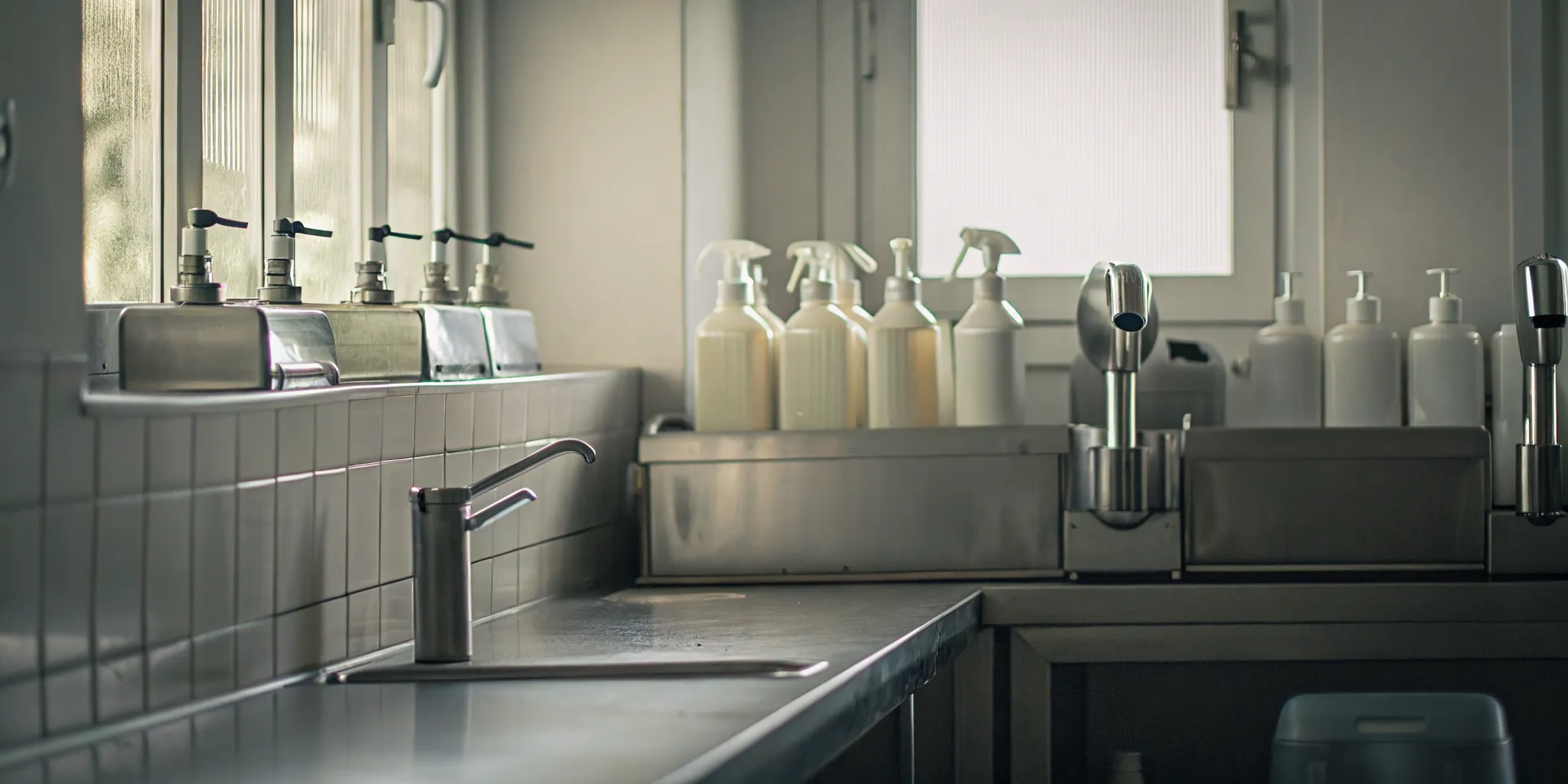
Surface disinfection is a top priority in every mortuary. OSHA rules state that you must clean any surface touched by blood or other infectious materials. The EPA defines a disinfectant as a substance used on nonliving surfaces to destroy or irreversibly inactivate infectious fungi and bacteria but not necessarily their spores. The Environmental Protection Agency (EPA) decides which products are fit for this job. Many morticians use Cavicide, which costs about $23.50 per gallon. It is a powerful spray that works well on hard surfaces. Another great option is Uniquat Plus 128, which sells for about $24.50. These sprays often use benzalkonium chloride or alcohol to kill germs quickly.
Soaps and hand care
Personal hygiene is just as vital as room cleaning. Staff need high-quality soaps to prevent the spread of germs. Surgical soaps are a staple in most prep rooms, with prices starting near $15.50. These soaps help remove organic matter and lower the risk of cross-contamination. Using a dedicated soap ensures that your skin remains protected even after long hours of work. It is a simple but key part of your daily safety routine. You can find a full range of funeral home disinfectants and soaps designed for these specific needs.
Instrument cleaners and cold soaks
Your tools need deep cleaning to stay in top shape. High-level disinfection is the only way to prevent the transmission of infectious agents between procedures. Metricide 28 is a common choice for cold soaking instruments. It starts at $23.50 and provides a deep clean that standard soaps cannot match. For floor and drain maintenance, Champion SLC is an excellent pick at $30.50 per gallon. This product helps manage organic waste and keeps your drains flowing freely. Following a regular embalming machine maintenance checklist helps extend the life of your equipment.
How to Select the Right Disinfectant for Your Preparation Room
Choosing the right funeral home disinfectant requires checking for an EPA registration number. Confirming the kill claims cover bloodborne pathogens, and matching the product format (ready-to-use vs. concentrate) to your workflow. Focus on dwell time, active ingredients, and surface compatibility to build a safe and efficient cleaning routine.
Choosing the best cleaning agent for your funeral home is a key part of prep room safety. The EPA is the main group that decides which products are right for this work. They oversee the registration of sterilants and tuberculocidal products to ensure they kill harmful germs. You must find hospital-grade solutions that can handle a broad spectrum of pathogens often found in mortuary settings.
Check for EPA Registration and Kill Claims
Every product you use should have an EPA registration number. This number shows that the product meets high standards for killing germs on surfaces. When you look at essential preparation room cleaning supplies, focus on the kill claims. You need chemicals that can stop bloodborne pathogens and other infectious materials. For example, some products use benzalkonium chloride or isopropyl alcohol to destroy bacteria and viruses quickly.
The time a product stays wet on a surface is also vital. This is called dwell time, meaning the period a disinfectant must remain visibly wet on a surface to achieve its labeled kill claims. Some sprays dry fast, which is good for quick turns. Others need several minutes to work. You should pick a product that fits your workflow. If a spray dries too fast before it kills the germs, it will not keep your team safe.
Understand Active Ingredients and Ratios
Most funeral home disinfectants use one of a few main chemicals. Quaternary ammonium compounds, or “quats,” are among the most common active ingredients. A quat is a class of surface-active agents that disrupt bacterial cell membranes and are widely used in hospital-grade disinfectants for their broad efficacy and low surface damage. Some products are ready to use, while others come as a concentrate. Concentrates like Uniquat Plus are often more cost-effective for large areas. You mix them with water to create the right strength. Always follow the label to get the best mix ratio. Using too much water will make the solution weak and unsafe.
For drains and sinks, you may also need enzymatic cleaners. Products like F008 use enzymes to break down organic waste. These help keep your drains clear and stop bad smells. While these are not main disinfectants, they are a vital part of a full cleaning plan. They help manage the organic matter that can trap germs on surfaces.
Compare Top Preparation Room Products
It helps to see how common products differ in their use and makeup. High-level disinfectants are for tools, while surface sprays are for tables and floors. Each has a specific role in your prep room. The table below shows the key traits of popular options you might use in your daily work.
| Product Name | Primary Use | Active Base | Form |
|---|---|---|---|
| Cavicide Spray | Surface Disinfectant | Alcohol / Quat | Ready-to-Use |
| Uniquat Plus | Surface Disinfectant | Quat Ammonium | Concentrate |
| Metricide 28 | Instrument Sterilant | Glutaraldehyde | Liquid Soak |
| Champion SLC | Cleaning Solvent | Solvent Blend | Liquid |
Understanding OSHA and EPA Requirements for Funeral Home Disinfection
OSHA requires funeral homes to disinfect all surfaces exposed to bloodborne pathogens using appropriate disinfectants, maintain training records, and provide proper PPE. The EPA regulates which disinfectants can claim pathogen kill through its registration program. Together these agencies set the legal framework for safe preparation room operations.
Safe funeral home work depends on rules from federal groups. The Occupational Safety and Health Administration (OSHA) and the Environmental Protection Agency (EPA) set these rules. They make sure prep room teams stay safe from blood and germs. Proper funeral home disinfectants keep the work area clean and help you follow the law.
The OSHA Bloodborne Pathogens Standard
The OSHA Bloodborne Pathogens standard is a key rule for mortuaries. It says you must clean any surface that touches blood or other fluids. This rule helps stop the spread of germs to staff during their work. Every prep room needs to follow preparation room safety and disinfection standards to keep people safe.
Owners must pick the right tools to kill germs. They also need to train their staff on how to use them. You must keep records of this training and have clear labels on all bottles. Good files show that you take safety seriously. This helps you avoid fines if you have a site check.
EPA Roles and Approved Products
The EPA has the job of checking and naming the best disinfectants. They test how well a product kills tough germs like Mycobacterium tuberculosis, the bacterium that causes tuberculosis. A tuberculocidal disinfectant has been tested and proven to kill TB bacteria, which are among the hardest microorganisms to destroy outside the body.
As the agency explains at EPA.gov, disinfectants are part of a broader category called antimicrobial pesticides, which also includes sterilants (products that destroy all microorganisms including bacterial spores) and sanitizers. Only EPA-registered tuberculocidal disinfectants are approved for high-risk areas. These products are strong and kill many germs found in prep rooms.
You can also use a simple mix of bleach and water for some tasks. OSHA says a mix of bleach diluted between 1:10 and 1:100 is a valid choice. While this is cheap, many pros prefer ready-to-use sprays that do not have a strong smell. Picking the right tool for each job helps you keep a clean and safe place.
Best Practices for Surface Disinfection in Mortuary Preparation Areas
Surface disinfection in a mortuary prep room follows a five-step workflow: pre-procedure prep of all surfaces with EPA-registered spray, during-procedure containment of spills. Post-procedure cleaning with a broad-spectrum disinfectant and full dwell time, routine daily mopping and drain treatment, and weekly deep cleaning of grout and equipment undersides.
Safe embalming work starts and ends with a clean room. You must disinfect all surfaces in the preparation area before and after every procedure to stay safe. Using hospital-grade funeral home disinfectants helps you meet OSHA safety rules for bloodborne pathogens. These steps help keep your team safe from germs and keep your facility in top shape.
Surface Prep and Containment
Before you start any task, clear the work area of all items you do not need. Wipe down stainless steel tables and porcelain sinks with a broad-spectrum spray. Focus on high-touch spots like faucet handles and table levers. This first step stops old germs from spreading to new cases. You should also check your forensic cleaning and disinfection supplies to ensure you have enough wipes and sprays ready for the day.
Daily Disinfection Workflow
A good cleaning path moves from clean spots to dirty ones. This prevents cross-contamination in the room. Use a hospital-grade spray with benzalkonium chloride or alcohol for the best results on non-porous surfaces. For blood or other fluids, let the cleaner sit for the full contact time listed on the label. This wait time is vital to kill tough germs like TB or viruses. Neutron Industries has served 6,200 funeral home locations with these types of professional cleaning tools.
- Pre-procedure prep: Spray all work surfaces, tables, and sinks with an EPA-registered spray. Wipe them clean with a fresh cloth to remove dust and debris.
- During-procedure containment: Wipe up spills as they happen. Use absorbent pads or towels to keep fluids from spreading across the floor or table.
- Post-procedure cleaning: Rinse all surfaces with cool water first to remove organic matter. Apply a broad-spectrum disinfectant and leave it wet for ten minutes.
- Routine daily schedule: Mop floors and wipe down walls at the end of each shift. Use an enzymatic digester in drains to break down waste and stop odors.
- Weekly deep cleaning: Scrub all grout lines and tight corners where germs hide. Check all equipment for wear and deep clean the underside of tables.
Care for Different Surface Types
Different materials in your prep room need specific care. Stainless steel is durable but can pit if you use too much bleach. Always rinse bleach solutions well to keep the metal smooth. Porcelain sinks can stain, so use a non-abrasive cleaner to protect the finish. For countertops, choose a spray that kills a wide range of germs without harming the seal. Following these professional mortuary disinfectant and cleaning supplies tips will help your equipment last for many years.
Instrument Disinfection and Sterilization Best Practices
Instrument disinfection follows a three-stage process: pre-cleaning to remove organic matter, high-level disinfection using glutaraldehyde solutions like Metricide 28, and proper dry storage. OSHA requires PPE during chemical handling and routine testing of soak solutions with test strips to confirm potency.
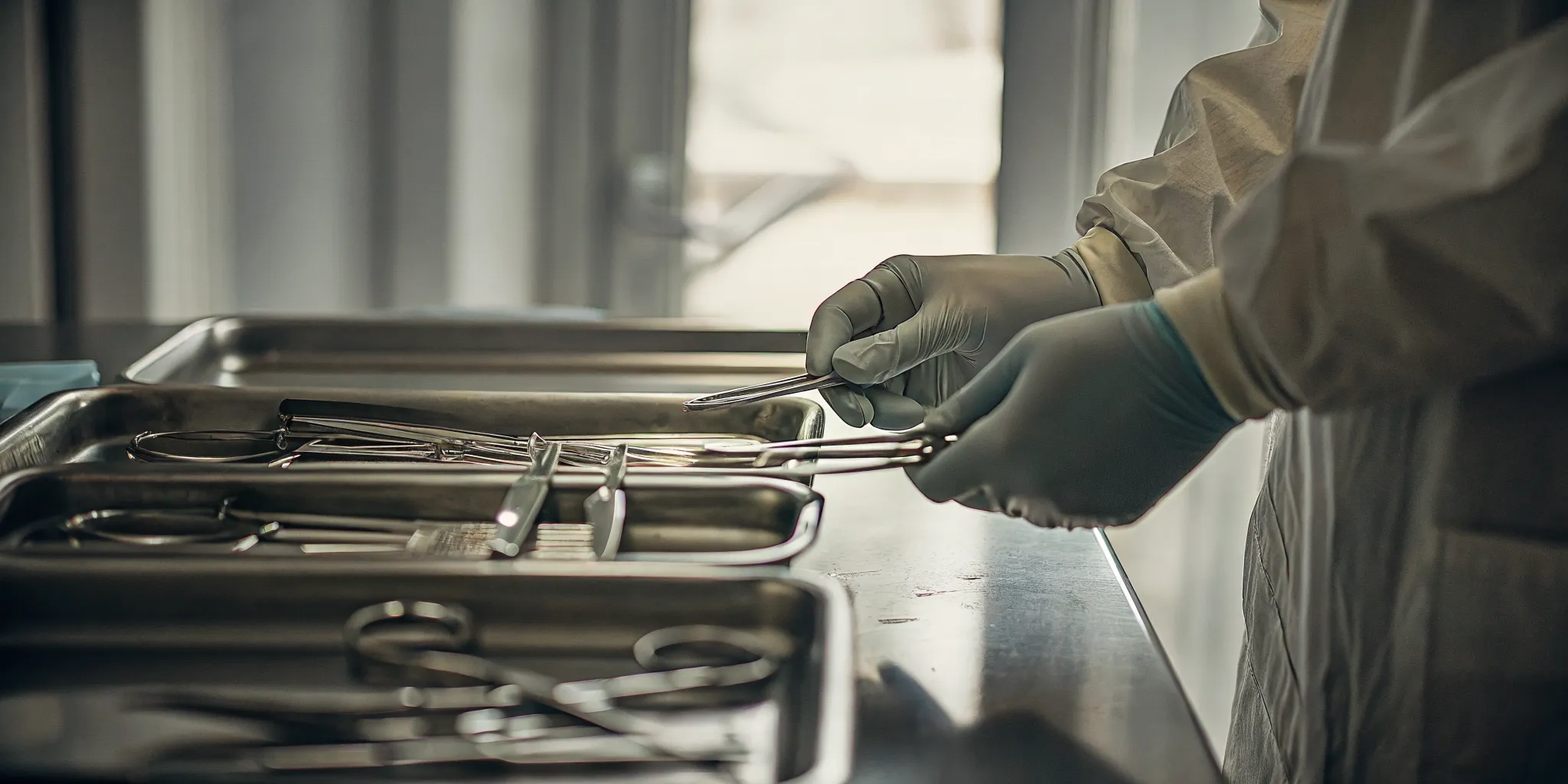
Safe embalming work starts with clean tools. Funeral home staff must follow strict rules to clean and sanitize reusable tools like trocars, forceps, and scissors. High-level disinfection or sterilization is vital to stop the spread of germs between cases. High-level disinfection uses chemical agents such as glutaraldehyde to kill all microorganisms except high numbers of bacterial spores, while sterilization destroys all forms of microbial life including spores. This process protects both the staff and the public from health risks.
Cleaning vs. Sterilization
You must clean all tools before you try to disinfect them. Cleaning removes blood and tissue that can block chemicals from working. High-level disinfection kills most germs but may not kill all spores. Sterilization is the highest level of safety and kills all life on the tool. For best results, use cleaning and maintenance of preparation equipment protocols to keep your prep room in top shape.
Using Immersion Solutions
Immersion is a common way to treat funeral tools. Products like Metricide 28 or Wavicide use glutaraldehyde to kill germs. These solutions can work as high-level disinfectants or as cold sterilants if you leave tools in them for a long time. You should check the labels to see how many days you can use the solution before you need to swap it out. Most solutions stay active for up to 28 days but you must test them with strips to be sure.
Proper Handling and Storage
The OSHA Bloodborne Pathogens standard requires the use of appropriate disinfectants for tools that touch blood. You must wear proper PPE like gloves and eye shields when you handle these strong chemicals. After the tools are clean, store them in a dry place to keep them safe from new germs. Good storage keeps your tools ready for the next case without risk.
Building a Reliable Procurement Strategy for Disinfectants and Supplies
A strong procurement strategy for funeral home disinfectants includes buying bulk concentrate for cost savings. Maintaining a diverse stock of surface sprays, instrument cleaners, soaps, and enzymatic digesters, and partnering with a supplier who understands mortuary workflow. Vischer Funeral Supplies has been a trusted distributor since 1983 and offers the full Champion Company product line.
Building a strong plan to buy funeral home disinfectants is a key part of running a mortuary. You need a steady flow of tools to keep your prep room safe and clean. A good plan looks at more than just the lowest price. You must think about how fast a supplier ships and if they have the items you need in stock. A solid strategy helps you avoid the stress of running out of soap or spray. It also keeps your costs steady over the long term.
Choosing a Partner with Technical Insight
When you pick a supplier, look for a team that has deep knowledge of the trade. You want to work with people who know the unique needs of a funeral home. Vischer Funeral Supplies has been a family-run business since 1983. Our team gives advice based on real work in the field. Our president spent over 16 years as a Deputy Coroner, so we know the hard work you do. This know-how lets us help you find the best tools for your work. We act as a guide to help you find the right items for odor control or deep cleaning. You can shop our complete line of disinfectants and soaps for every prep room need.
Managing Prep Room Inventory
Keeping a close eye on your stock is the best way to prevent delays. Many funeral homes find that buying in bulk is a smart move. It saves you money on shipping and keeps your shelves full. We are a proud supplier for the Champion Company. We offer a full range of professional mortuary disinfectant and cleaning supplies to meet your needs. Products like Champion SLC and Uniquat Plus provide the strength you need for heavy use. You can plan your orders around your case volume to keep your storage area clean.
You should also think about the variety of items you keep on hand. You need more than just one type of cleaner for a safe room. It is wise to stock germ-killing soaps, instrument cleaners, and enzymatic digesters. These tools help you manage organic waste and keep drains clear.
Having the right mix of supplies ready to use makes your daily tasks much easier. It allows your staff to focus on their work without searching for the right spray or soap. For a complete overview of everything you need, review our funeral home supplies checklist.
Staying Compliant with Standard Guidelines
Following safety rules is the most important part of your plan. The OSHA Bloodborne Pathogens standard requires you to clean surfaces after every use. You must use a disinfectant that can kill germs and keep your staff safe. The EPA is the group that tests these items to make sure they work well.
Using hospital-grade sprays like Cavicide or Metricide 28 helps you stay in line with these rules. These products kill a broad spectrum of pathogens that are common in our field. A good supplier helps you track when it is time to restock and stay in line with the law.
Frequently Asked Questions
How often should you disinfect a funeral preparation room?
Preparation areas should be cleaned and disinfected both before and after every embalming procedure. This practice helps maintain high sanitation standards and ensures a safe workspace for staff. Regular cleaning is a key part of providing respectful care for the deceased. According to OSHA, surfaces touched by blood must be cleaned with the right disinfectant. This keeps the work area safe from health hazards and other risks.
What disinfectants are recommended for mortuary surfaces?
Morticians often use hospital-grade disinfectants that kill a broad range of pathogens. Popular choices include surface sprays like Cavicide or products that contain benzalkonium chloride or isopropyl alcohol. These chemicals work well against germs often found in mortuary settings. It is vital to pick products that are registered with the EPA. This agency oversees the registration of sterilants and other antimicrobial products used for professional cleaning and safety in the prep room.
What are the OSHA requirements for disinfecting embalming tools?
OSHA requires that all reusable instruments that contact blood or bodily fluids be cleaned and disinfected using an appropriate registered tuberculocidal disinfectant. Staff must wear proper PPE during handling, and the disinfection process should follow the product label for dwell time and concentration. OSHA also mandates training records and proper labeling of all cleaning solutions in the workspace.
What is the difference between cleaning, disinfecting, and sterilizing?
Cleaning removes visible soil and organic matter from surfaces. Disinfecting kills most pathogenic microorganisms except bacterial spores. Sterilization destroys all forms of microbial life including spores. In a funeral home prep room, instruments that penetrate tissue require sterilization or high-level disinfection, while surfaces require appropriate EPA-registered disinfection after each procedure.
Can you use household cleaners instead of hospital-grade disinfectants?
No. Household cleaners are not registered with the EPA for use against bloodborne pathogens and do not meet OSHA requirements for funeral home preparation rooms. Only EPA-registered hospital-grade disinfectants with tuberculocidal kill claims should be used on surfaces exposed to blood or bodily fluids. A diluted bleach solution (1:10 to 1:100) is an acceptable EPA-level disinfectant when mixed fresh daily. Always choose professional-grade funeral home disinfectants from a trusted supplier to stay compliant.
Ready to stock your prep room with professional-grade supplies?
Waiting to fix your cleaning workflow can lead to safety risks or failed tests that can hurt your firm and your hard working staff. You can avoid these costs and save time by picking the right tools for your prep room to keep your work space clean today. Taking action now helps your team stay safe and ensures that your shop meets all top standards by using our mortuary supplies buying guide.
Ready to get expert product advice and help with selecting the best funeral home disinfectants and soaps for your preparation room? Call us at (800) 752-8767 to speak with our team or browse our full selection of disinfectants and soaps online.