

Coroners and removal services need the right forensic equipment to maintain a secure chain of custody, protect staff, and complete every recovery with dignity. A written checklist helps a team prepare for field, transport, and facility work before a call arrives.
Browse Vischer’s forensic equipment and request practical guidance for your facility.
Standard forensic equipment includes tools for field recovery, scene records, evidence collection, body transport, and facility work. A basic kit should include PPE, digital cameras, scales, ID tents, evidence tape, transport equipment, and cleaning supplies.
Knowing which supplies to buy can be difficult with so many options on the market. This guide breaks down the main tools every facility should keep in stock and explains how to compare them.
Forensic equipment checklist at a glance
A complete checklist covers field documentation, evidence control, safe transport, morgue work surfaces, PPE, cleaning supplies, and daily inspection records.
Coroners and removal teams need the right tools to do their jobs well. A clear list helps you buy the best forensic equipment for your needs. The best gear keeps your team safe in the field and the lab. It also helps you keep a clear chain of custody for all evidence you find. Your choice of tools depends on case types, staff size, and local rules. The size of your work site and the type of vehicles you use also shape your list.
Field tools for scene work
Work in the field starts with safety for every staff member. You must have safety gear to stop the spread of germs at the scene. This always includes medical gloves and masks. You may also need full suits for some case types. After safety, you need tools to find and mark items. These things help you keep the scene in order as you search the area. Proper kits allow for fast response during a disaster or a large event.
- Disposable evidence tags and tents for marking items at the site.
- Evidence tape to seal bags and boxes to stop tampering.
- Fingerprint brushes and powders for manual print work on many surfaces.
- Portable kits for naming the dead and taking prints in the field.
- Test kits to find drugs and other substances on site right away.
Morgue and lab hardware
Once you move a body, you need strong gear to transport it to your building. High-volume teams need a tough stretcher that can move to different heights. This helps prevent back pain for your staff when they move heavy loads. In the lab, the right setup makes work move along in a smooth way. You should look for units that are easy to clean and do not rust over time. Durable tools save money and keep your staff safe from harm.
Extra lab gear includes more than just basic hand tools. A movable autopsy table is a vital piece of hardware for any busy morgue. It lets the user change the height to fit their needs while they work. Good lab gear helps you work faster and with more care on every case. It also keeps your site up to high standards for health and safety.
Evidence capture and records
Taking notes is a key part of every case you search. You need to take clear photos that show the size of every object at the scene. Scale cards give a set reference for these pictures so they can be used in court. You also need a strong light to find things in dark spots or at night. Some lights use filters to show things the eye cannot see at first. This makes your search much more full and keeps facts clear.
Good records often follow a set path to make sure no data is lost. You should use a common framework to collect facts at a death scene. This helps you share data with other teams and agencies. Standard forms make sure you do not miss a step in your search. Clear facts help you build a strong case and find the truth in every search you do.
Body transport and removal systems
A dependable removal system combines a correctly rated cot or stretcher, restraints, loading aids, vehicle securement, and a backup option for stairs or tight spaces.
Professional body transport needs tools that help you move remains with care and safety. Choosing the right mortuary removal equipment ensures that your team can handle each case well. High-quality removal service equipment must be tough enough for daily use in many places. This includes standard stretchers and systems for tight spaces or hard ground.
Selecting the right mortuary cots
A reliable cot is the main part of any removal system. You should look for models that offer many height levels to help with safe loading. Modern mortuary removal equipment often allows one person to use it and has locking wheels. These tools help reduce strain on staff and lower the risk of accidents. When you buy a cot, check the weight limit and how easy it is to clean.
Specialized forensic transport tools
Forensic cases often need extra care to keep evidence safe during transport. Using specialized forensic equipment helps keep the scene and the remains secure. For example, transport hoods can protect staff from fluids during a move. According to the Centers for Disease Control and Prevention, using a clear plan for transport is vital for good data. Proper tools like trajectory kits should stay in tough cases to stay safe during travel.
Loading aids and vehicle ramps
Ramps and loading aids are needed for moving heavy gear into transport vans.
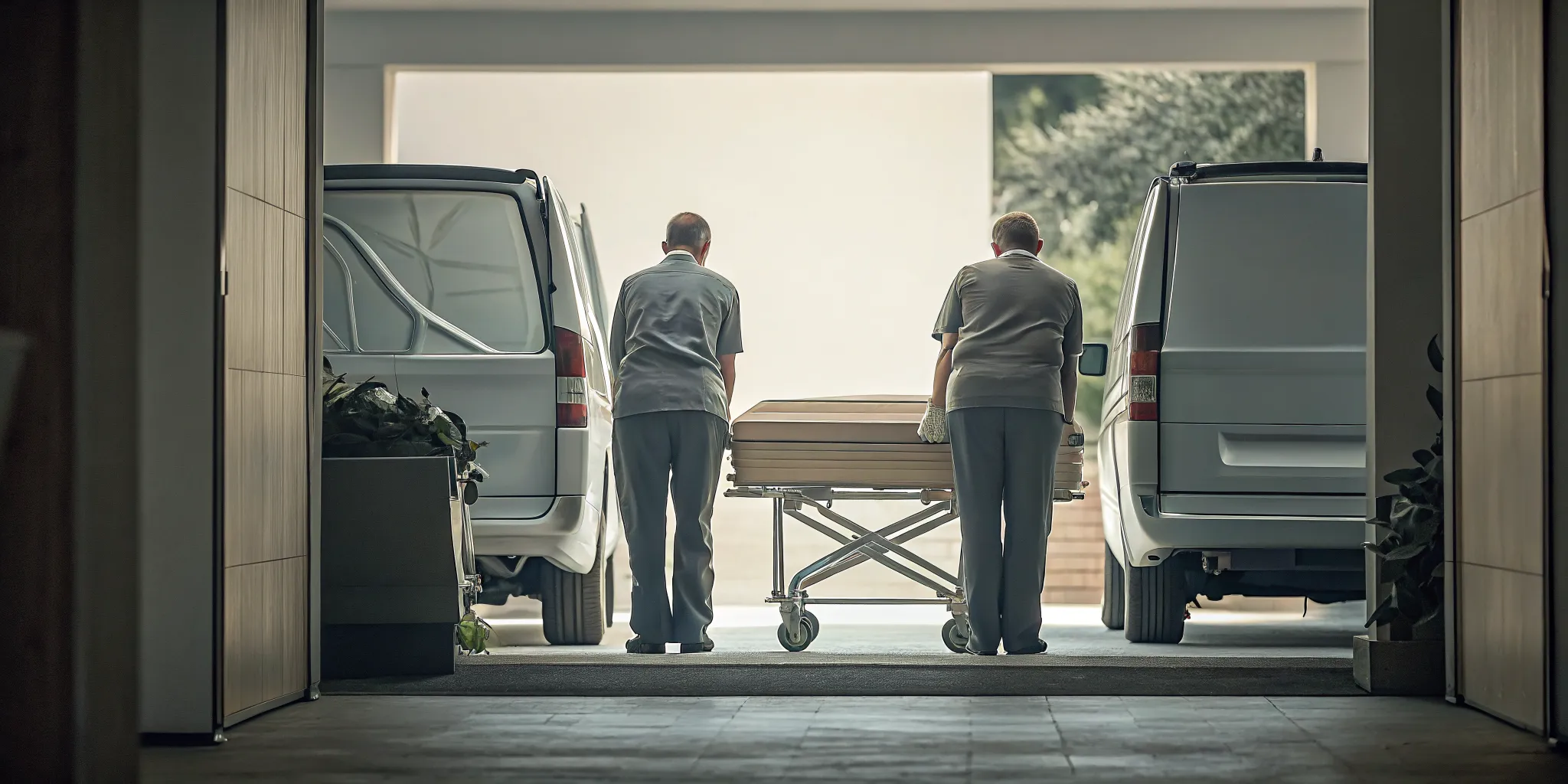
These tools help bridge the gap between the ground and the van floor. Using the right lab and pathology forensic equipment often means moving items from a field site. Ramps should have a non-slip surface and a high weight limit to handle the cot safely. Checking your gear often helps you find wear before it becomes a safety risk.
Tables, work surfaces, and facility equipment
Facility equipment should prioritize cleanable surfaces, stable work areas, safe drainage, practical storage, and enough clearance to move cots without obstruction.
Every forensic lab needs strong and clean surfaces to work on. The right items help your team stay safe and work fast. When you set up a mortuary or coroner office, you must pick items that last a long time. These surfaces must stand up to heavy use and strong soaps. Good forensic equipment allows for better workflow and helps prevent errors during a case.
Choosing the right autopsy table
The table is the most vital part of any prep room or lab. You have two main choices: a fixed pedestal or a mobile unit. A pedestal autopsy table stays in one spot and often has built-in plumbing. This setup is great for busy labs that need steady water and drains. It provides a stable base for deep work and stays firm when you move a heavy load.
Mobile tables offer more freedom in small rooms. You can move them out of the way to make space for other tasks. This helps in rooms where you do more than just one type of job. Look for models with locks on the wheels to keep the unit still when you need it to be. Both types should have high edges to catch fluids and keep the floor dry and safe.
| Feature | Pedestal Table | Mobile Table |
|---|---|---|
| Stability | Highest stability | Good but moveable |
| Plumbing | Built-in pipes | No built-in pipes |
| Room Size | Best for big labs | Best for small rooms |
| Height | Often power-adjusted | Hand-crank or fixed |
| Cleaning | Easy to wash down | Harder to clean under |
This comparison separates two common table configurations.
Work surface materials and cleaning
Stainless steel is the top choice for all work surfaces in a forensic lab. It does not rust and it is hard to scratch. This metal does not have pores, so it will not trap germs or smells. You can use strong cleaners on it without causing any damage. Safe and clean tools are a common framework for those who work on death scenes. Using the right metals helps keep your staff healthy and keeps the lab in top shape.
Think about the height of your side tables and counters too. Most staff find that a height of 34 to 36 inches works best. This range helps reduce back pain during long hours of work. If you have deep sinks, make sure the faucets reach every corner. This makes it easier to rinse tools and surfaces after you finish a case. Smooth welds on all joints will stop fluids from hiding in small cracks.
Storage and room workflow
A good room layout makes it easy to move people and equipment. You need enough clearance to wheel a cot or stretcher without hitting a wall. Plan for at least five feet of open space around your main table. This gives your team enough room to move and use carts. You must have a clear spot for your investigation tools, such as cameras and gloves, while you work. When everything has a home, you spend less time looking for what you need.
Wall storage helps keep the floor clear and easy to mop. Use shelves that you can move to fit different sizes of bins and boxes. Keep your most used items at chest level so they are easy to grab. If you have a small room, use vertical space to store things you do not use every day. This simple step keeps your work area tidy and ready for any task that comes through the door.
Body bags, PPE, and essential consumables
Keep multiple body-bag sizes, case tags, restraints, gloves, masks, eye protection, gowns, disinfectants, and spill-control supplies ready for immediate use.
High-quality forensic equipment includes many items that you use once and then replace. These consumables are the backbone of a safe and clean scene. Proper stock levels for body bags, safety gear, and cleaning supplies help your team work without delays. Using the right tools also keeps your evidence safe from contamination.
Body bags and transport supplies
Selecting the right body bag depends on the type of case and the transport needs. Standard bags work for many scenes, but heavy-duty options are best for rough terrain or long moves. You should keep a mix of sizes and styles in your inventory. This ensures you have the right fit for adults, children, and infants at all times.
Beyond the bag itself, you need tags and ties to secure each case. Clear labeling is a vital part of forensic work. You can find many of these items in our funeral and mortuary supplies catalog to help keep your facility ready for any situation.
Personal protective equipment
Safety is the top priority for any field team. Personal protective equipment, or PPE, shields you from biological risks. The most common item you will use is gloves. Industry experts recommend using gloves for every scene to avoid contact with harmful fluids and to keep evidence pure. You can learn more about these standards in the CDC training guides for death investigations.
Other PPE items include masks, eye shields, and gowns. These tools create a barrier between you and the scene. While some gear is reusable, most items like gloves and masks are strictly for one-time use. Regular inventory checks help you spot when stocks are low so you can reorder before an emergency happens.
Cleaning and spill control
Keeping your workspace and vehicles clean is essential for health and safety.
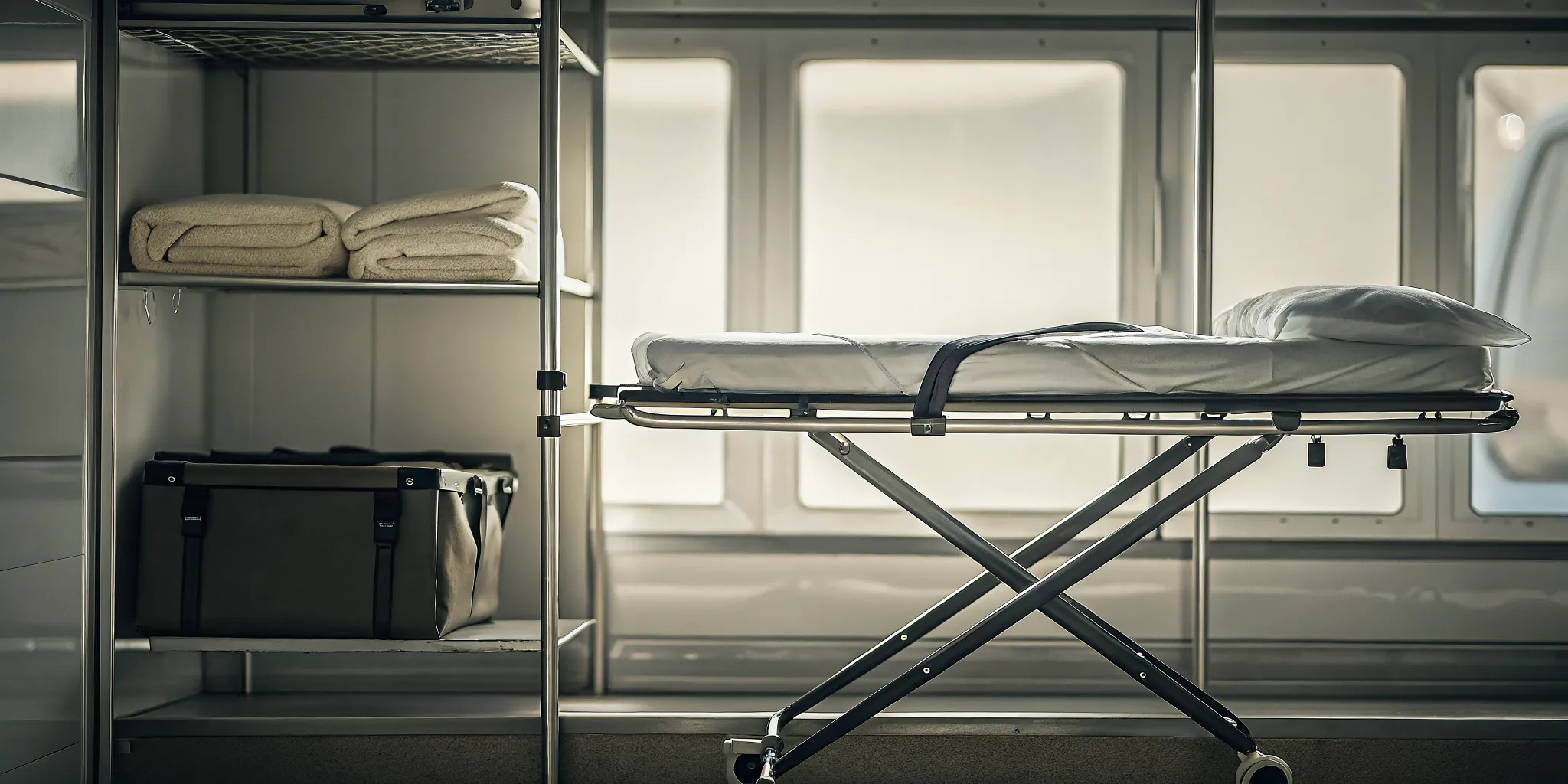
You need strong cleaners that can handle tough biological stains. Spill kits are also a key part of your forensic equipment. These kits let you contain and clean up fluids quickly before they spread or cause a slip hazard.
Having a set plan for replenishment helps your office run smoothly. Most teams use a checklist to track how many items they have left. This prevents the stress of running out of gear in the middle of a busy week. Standard forms and reporting tools from the CDC disaster toolkit can help you stay organized during large events.
How should teams inspect forensic equipment?
Inspect forensic equipment before every shift by checking load ratings, wheels, fasteners, restraints, cleanliness, vehicle locks, consumable stock, and documentation tools.
Proper care of forensic tools keeps teams safe and ready for any call. A clear check before each shift helps find small problems before they cause big delays. Teams must verify that all items are in top shape to handle the rigors of the field. Being ready means your staff can act fast when a sudden call comes in.
Safe tools protect both the staff and the good name of the office. Small flaws in gear can lead to risks during a removal or a scene check. Taking time each day to look over your gear is a smart way to manage your work. It ensures that every part of the process goes well from start to finish.
Daily readiness and safety
Each shift should start with a fast walk-through of all gear. This ensures that every tool is clean and works as it should. Using a set list makes this task easy and fast for the whole team. It also builds trust that the forensic equipment will not fail during a case. Regular checks help maintain a high level of service for the public.
Staff should check that all kits are full and that no items are missing. This includes small tools like tapes, tags, and bags. Having a full kit means you do not have to stop a search to find more supplies. A quick look at the start of the day saves hours of work later on.
- Check the load ratings for each cot and stretcher to ensure they can handle the weight of the decedent.
- Inspect all wheels for smooth motion and check that every fastener is tight and secure on the frame.
- Test all restraints and straps to make sure they click into place and hold firm under pressure.
- Clean all surfaces using strong soap to keep the team and the public safe from germs.
- Verify that the cot locks into the vehicle securement system so it does not move while the car is in motion.
- Write down every check in a log to meet state rules and keep a clear history of all tool care.
- Remove any damaged or worn items from use right away and mark them as broken so no one else uses them.
Check transport tools
Transport gear like cots needs close care because it has many moving parts. A stiff wheel or a loose bolt can make a simple task very hard. Checking mortuary removal equipment for wear and tear is a key part of the daily routine. Small fixes now prevent costly repairs later on.
Look for signs of rust or cracks in the metal frames of your stretchers. Check that the legs fold and lock without any sticking. If a tool does not work perfectly, it should not go out on a call. Keeping your transport tools in top shape shows that you care about your work and the people you serve.
Check records and data tools
Teams should also check their data tools and paperwork before they leave the office. This includes cameras, forms, and kits used to gather facts. High-quality kits help teams use a common framework to record their work in the field. Having the right tools ready saves time and reduces errors during busy times.
Check that camera batteries are full and that there is plenty of space on the memory card. Make sure you have enough forms for a long day in the field. These simple steps keep your data safe and make sure you can prove what you found at a scene. Good records are a key part of every forensic job.
What should buyers compare before ordering?
Compare equipment by capacity, reliability, ease of cleaning, staff ergonomics, vehicle and facility fit, replacement-part access, training needs, and total ownership cost.
Buying the right forensic equipment requires a close look at how your team works in the field and the lab. You must ensure that every tool meets your needs for speed, safety, and accuracy. Comparing products before you buy helps you avoid costly mistakes and keeps your facility running well.
Reliability and ease of use
In death scene investigation, equipment must work every time without fail. You should look for tools that are easy to use even in high-stress settings. For example, some investigations require a doll with movable limbs to document the scene properly. If a tool is too hard to set up, it can slow down your work or lead to errors.
Your team needs forensic equipment that handles the rigors of daily transport and field use. Look for items with simple controls and clear marks. Reliable tools help you follow a common framework for collecting data, which is vital during large events like natural disasters.
Safety and cleaning needs
Safety is the most important part of any forensic task. You must compare how well tools protect your staff from risks. Standard practice always includes the use of personal protective equipment like gloves to stop the spread of germs. High-quality tools should have smooth surfaces that are easy to scrub and keep clean.
When you buy a large item like an autopsy table, check the metal and the drain system. The best units use medical-grade steel that resists rust and harsh chemicals. This keeps your workspace safe and ensures your gear lasts for a long time without needing a full swap.
Capacity and future costs
Think about the size of your facility and the number of cases you handle each year. Small offices may need portable kits that save space, while larger hubs might need heavy-duty gear. You should also look at the total cost of owning the tool. This includes the price of new parts and the time it takes to train your staff on new tech.
Before you order, ask about the lead times for shipping and the help you can get after the sale. Some vendors offer quick help via text or phone, which is helpful if a tool breaks during a busy week. Choosing a partner who knows the industry helps you get the best equipment for your specific goals. Vischer president Zachary Smeltz brings hands-on experience from more than 16 years as a deputy coroner and more than 18 years operating a mortuary transportation company. Learn about Vischer’s field-tested approach before comparing suppliers.
Safety considerations for removals and transport
Safe removals depend on a scene hazard check, correct PPE, coordinated lifting, properly rated equipment, secure vehicle loading, and cleaning after every call.
Safety starts with planning before any team member enters a scene. Every removal needs a quick check of the area to find risks like loose stairs or wet floors. Using the right forensic equipment ensures that the team can handle the remains with care. It also helps the team stay safe from harm. Proper tools help maintain the chain of custody and keep all records clear and accurate.
Protective gear and hygiene
Personal protective equipment (PPE) is the first line of defense against health risks. Team members must use gloves and other gear to avoid contact with body fluids or hazardous items. This step is vital during scene work to keep everyone safe and stop the spread of germs. Clean gear also protects the proof found at the site.
Contamination control goes beyond just wearing gloves. It also means using items like hoods or drapes to cover remains during transport. These tools help keep the work area clean and show respect for the person. Following these steps helps the team meet standard health rules and keeps the public safe during the transfer.
Safe lifting and loading
Lifting and moving heavy loads can cause back pain if not done right. Teams should use a mortuary removal equipment cot that can change height. This makes it easier to shift weight from a bed or floor to the vehicle without strain. Good talk between team members ensures that every move is steady and controlled.
Training on how to use vehicle ramps and locks is also key. Every piece of gear must stay in place during the drive. This prevents shifts that could cause an accident. Regular checks of the vehicle and its straps help the team find and fix issues fast. A well-planned trip protects the staff, the public, and the dignity of the remains.
Operational safety checklist
- Inspect the scene for physical hazards before moving in.
- Put on all required PPE, including gloves, before touching anything.
- Check that the cot or stretcher is in good working order.
- Use slow, clear talk to coordinate lifts with your partner.
- Secure all remains and gear inside the vehicle before you drive.
- Wipe down and sanitize all tools after the job is done.
Frequently Asked Questions
What is the difference between field forensic equipment and laboratory equipment?
Field equipment is built for use at a crime scene. It must be easy to carry and tough enough for many types of weather. This includes items like body bags, cameras, and kits for picking up clues. Lab equipment stays in one place. It is used for deep study of the items found at the scene. These tools are often very sensitive. Both types of gear help experts find the truth about a death.
How should forensic evidence be collected and stored to prevent contamination?
To keep evidence safe, experts must use clean tools and the right containers. Each item needs its own bag or box to stop clues from mixing. Secure tape and seals show if someone tried to open the pack. According to Arrowhead Forensics, specialized tape helps keep evidence packs shut during transport. Proper labels with the date and time are also vital for keeping a clear record of the case.
What specialized tools are needed for infant death scene investigations?
Investigating the death of an infant needs specific tools to record the scene well. According to the CDC, a doll with moving limbs is a key piece of gear. This doll helps experts show how the child was found without moving the body itself. Other vital items include gloves for safety and a digital camera for photos. These tools help create a clear and honest report for the family and the court.
Why are trajectory kits and angle finders essential for crime scene reconstruction?
Trajectory kits and angle finders are used to show the path a bullet took. These tools help experts find where a shooter was standing. They use rods, strings, and lasers to trace the line of flight. This is a big part of building a map of the crime scene. Knowing the angle and path helps the team understand what happened. These kits are vital for any investigation that involves a gun.
Want to request forensic equipment guidance for your morgue?
Working in a morgue or for a local removal service means you must stay ready for any task at any hour of day or night. If you do not have the right tools on hand, you risk losing time and making errors that could be avoided with a good plan. Getting the right supplies now will save you from stress and help you meet your very high standards for care. Review forensic body bag options when you assess consumables and transport readiness.
Ready to request forensic equipment guidance? Our team can help you compare tools for your actual calls, vehicles, facility, and staff. Contact Vischer Funeral Supplies for practical equipment guidance.