
Corrosive chemicals in a preparation room can threaten staff safety in seconds. A properly planned eyewash station gives staff immediate access to flushing water after an accidental splash.
Compare eyewash and emergency shower equipment for your preparation room.
An embalming room eyewash station is a key safety tool that provides fast help when staff members touch harsh chemicals. Under OSHA rules, funeral homes must provide spots to flush eyes and skin if workers handle corrosive fluids. These units must be in the work area for quick use during an accident. Most sites follow the ANSI Z358.1 standard to ensure their gear meets top industry goals. Proper planning involves placing these tools where they are easy to reach in a few seconds. A well-placed station helps stop permanent eye damage and keeps your funeral home in line with safety laws. This gear is not just a rule; it is a core part of a safe prep room.
Planning a safe prep room requires checking the workspace, chemical hazards, access routes, and equipment maintenance needs. The path begins with understanding why an embalming room eyewash station matters.
Why an embalming room eyewash station matters
Working in a prep room involves daily contact with strong chemicals. These fluids help with preservation but can cause real harm if they touch your skin or eyes. An embalming room eyewash station is a key part of your safety setup. It gives you a way to flush out toxins fast if a splash occurs. Having one ready to use can prevent a small slip from becoming a life-changing injury.
Protecting staff from chemical risks
The fluids used during the prep process often contain formaldehyde or other harsh agents. These materials are known to be injurious and corrosive. If a drop hits someone’s eye, they only have seconds to start rinsing. Proper safety tools help keep your team safe during these high-stakes moments. It is not just about having the gear; it is about making sure it works when it counts.
Planning for hazards is a core part of running a funeral home or forensic lab. You must look at the layout of your workspace to find the best spots for safety gear. A clear path to the water source is a must. If a staff member cannot see due to a splash, they need to be able to reach the station by touch. This level of care shows you value your people and their long-term health.
Meeting federal safety rules
Government groups like OSHA have clear rules about eye safety in the workplace. They state that you must have suitable facilities for quick flushing where eyes may be exposed to corrosive materials. This rule is in place to make sure that help is always within reach for workers. Following these rules helps you build a safe and professional place for your funeral home staff.
The clear needs of your room may change based on the chemicals you use. It is wise to check your safety data sheets for every product in the lab. If those sheets list a chemical as a corrosive, a wash station is likely a must-have. We cannot give legal advice, but many directors find a flushing embalming station with eyewash is a smart choice for a small space.
Choosing the right spot for access
When you set up your prep area, think about how fast someone can reach the water. Most experts say you should be able to get to the station in ten seconds or less. The path must stay free of boxes, carts, or other gear that could trip someone. A station that is blocked or hard to find is not helpful in a real crisis. Good planning makes sure that safety is always part of the room’s flow.
You can choose from many types of wash systems to fit your lab. Some homes prefer a sink mount eyewash system because it saves space on the wall. Others may need a stand-alone unit for a large forensic room. No matter which style you pick, keep it in a spot that stays well-lit and easy to see. This simple step helps your team feel safe while they do their important work.
How to evaluate eyewash equipment options
Evaluate eyewash equipment by matching the unit type, water supply, installation requirements, and maintenance plan to the preparation room’s documented chemical hazards and workflow.
Picking an embalming room eyewash station involves looking at your room layout and chemical risks. OSHA rules say you must have a way to flush eyes fast if staff work with injurious corrosive materials. You should check your Safety Data Sheets (SDS) to find these risks. If your room uses these chemicals, a station is not just a good idea; it is a legal need.
Mortuary staff need reliable tools to stay safe when they work with unsafe items. President Zachary Smeltz has over 16 years in the field. He knows that a safe prep room starts with a good setup. Getting the right unit helps you meet safety rules and keeps your team from harm.
Types of eyewash units
There are three main styles for mortuary use. Plumbed units connect to your water lines and stay in one spot. Faucet-mounted units attach to your existing sink taps. Combined units have both a shower and an eyewash in one tall frame. Each type has its own pros and cons based on how much space you have in your prep room.
Plumbed units are steady and easy to find in a rush. A sink mount eyewash system is a smart choice for smaller rooms. These units swing out of the way when you do not need them. This saves counter space but keeps the station close to where spills happen. Combined units are big but give the best safety for your whole body.
| Unit Type | Best Use Case | Install Needs | Space Impact |
|---|---|---|---|
| Plumbed Wall Mount | Large prep rooms | Direct water line | Low to Medium |
| Faucet Mount | Limited space sinks | Existing sink tap | Very Low |
| Combined Shower | High chemical risk | Main floor drain | High |
| Swing-Away Sink | Multi-use stations | Sink deck mount | Low |
Picking the right station
You must look at how far a staff member has to walk. Industry standards say a station should be within a ten-second walk from the hazard. If you have a prep room embalming station, the eyewash should be close. Do not put doors or walls in the path. A clear path is vital when someone cannot see well because of a splash.
Think about water heat too. The water should be tepid so it does not hurt the eyes more. Cold water can cause shock, and hot water can burn. The unit must also flow for at least fifteen minutes. This long flush helps clear out all chemicals. It gives the best chance to prevent lasting eye damage.
Safety and upkeep checks
Once you pick a unit, you must keep it in good shape. You should test your station once a week. This clears out rust and sediment in the lines. It also ensures that the water pressure is just right. Staff should know how to use the station without having to think. Training is a big part of keeping your funeral home safe.
Talk to the team at Vischer to see which unit fits your floor plan best. They can help you find a model that meets your needs. You can reach them at 800-752-8767 for expert advice. They also offer text support at 717-503-9838 for quick answers to your safety questions.
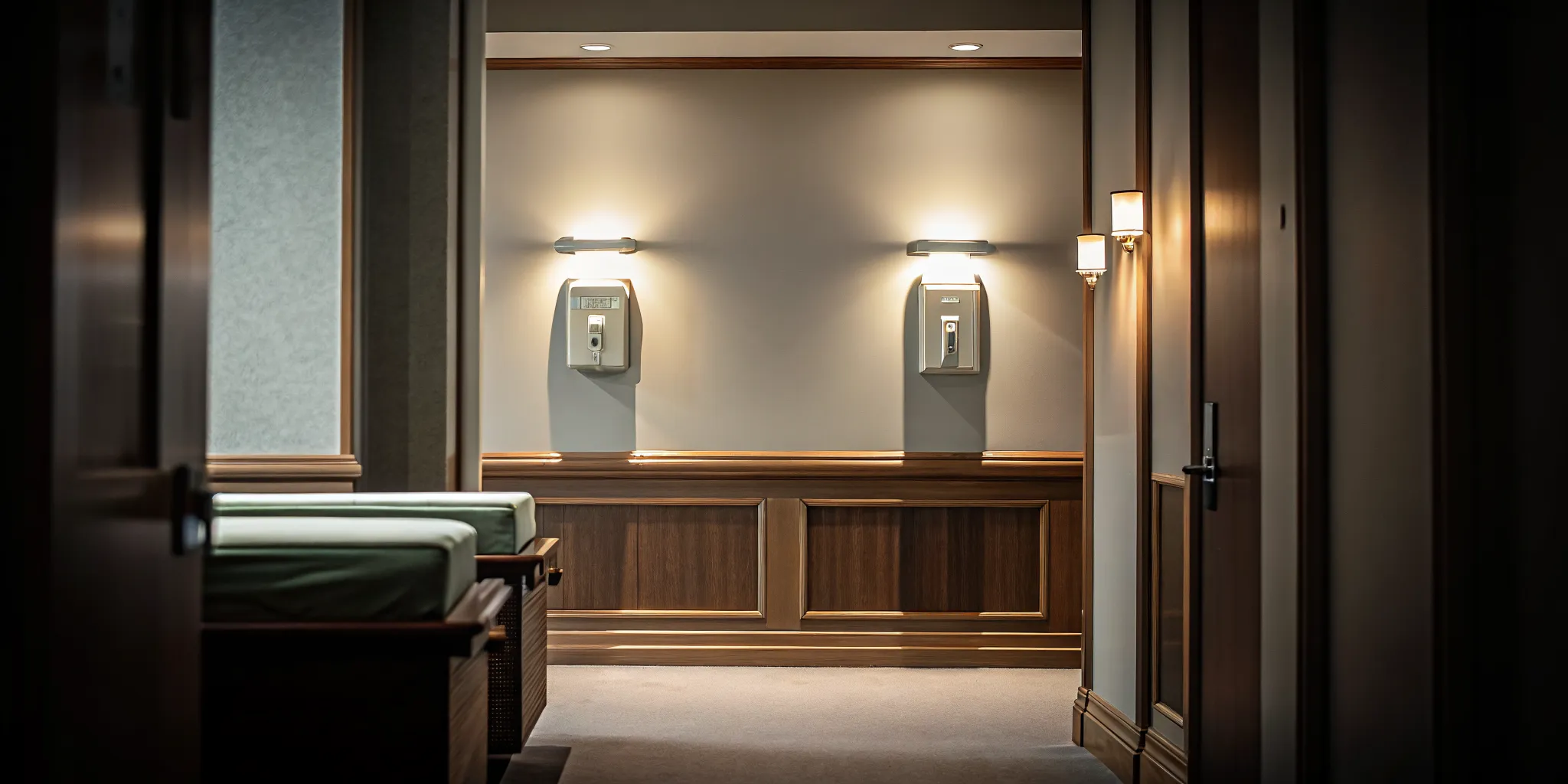
Where should an eyewash station be placed?
Place an eyewash station where exposed staff can reach it quickly along a clear, well-lit path without passing through additional hazards. Confirm exact placement against applicable guidance and the room’s risk assessment.
In any funeral home, staff safety is the top goal. When you work with strong fluids, you must know where to go if a spill hits your face. The spot you choose for an embalming room eyewash station is a key part of your prep room plan. You need a place that is easy to reach in a few short seconds. Placing it right helps your team stay safe from harm during a long day of work.
Clear paths and quick travel
When a person gets a fluid in their eye, every tick of the clock matters. You want the wash unit to be very close to where the main work happens. Most pros aim for a spot that a staff member can reach in ten seconds or less. For many rooms, this means the unit stays within 50 feet of the main table. If your room is large, you might need more than one unit to keep everyone safe.
The path to the wash station must stay clear at all times. In a busy prep room, it is far too easy to leave carts, boxes, or bins in the way. But a blocked path can cause a fall or slow down a person in need. A good layout makes sure the flushing embalming station with eyewash is always open and ready for use. You should check the path each morning to make sure nothing is in the way.
High sight lines and good light
An eyewash unit does no good if you cannot find it fast in a dark room. You should place the station in an area with plenty of bright light. Using high-contrast signs above the unit helps staff find it during a bad event. The goal is to make the unit stand out so that even a person with blurred vision can spot it. Bright green or yellow signs are often the best choice for this task.
The rules from OSHA state that firms must have tools for quick drenching or flushing of the eyes. These units must be in the work area for fast use when a splash occurs. Keeping the station in a spot where everyone can see it is a smart move. It helps your team feel safe and keeps your room in line with basic safety needs. You do not want a hidden unit when a real emergency strikes.
Water supply and floor drains
A fixed station needs a steady flow of clean, tepid water to work well. You must think about where your water pipes are when you plan the room layout. Many shops use a sink mount eyewash system to save on floor space. This setup works well if the sink is in a central spot that is easy to reach from all sides of the room.
You also need to think about where all that water goes once the unit is on. A full eye wash uses a lot of water in a short time. If you do not have a drain under or near the station, you could end up with a big mess or a slip risk on the floor. Good drainage keeps the floor dry and safe for everyone in the room. For rooms with very high risk, you may also want to add emergency shower equipment to handle larger spills.
What role does emergency shower equipment play?
Emergency shower equipment supports rapid full-body rinsing when a chemical exposure affects clothing or skin beyond the eyes and face. It complements, rather than replaces, an eyewash station.
Emergency shower gear is a key part of any prep room safety plan. Most directors think about eyes first. But chemicals can also splash onto your clothes or skin. In these cases, a small sink unit is just not enough. You need a way to rinse your whole body fast to stay safe.
When drenching the whole body is needed
Eye splashes happen often, but body exposure can be just as bad. Corrosive liquids can soak through your clothes and burn your skin in seconds. OSHA rules say you must have suitable facilities for drenching when working with harmful fluids. A full shower gives the high flow of water needed to wash off these chemicals. It helps to stop deep burns before they can cause real harm.
Many fluids used in the room can cause bad skin burns. These spills can happen during transfers or while mixing. If a large amount of fluid hits your lab coat, it can reach your skin fast. A shower allows you to stand under a large spray of water while you remove soiled clothes. This is the best way to stop the burn from getting worse.
Part of a full safety plan
A high quality embalming room eyewash station is a great first step for any room. But it is only one piece of a large safety plan. A good plan looks at all types of spills that might happen during the day. Some spills might only hit your face, while others could cover your chest or legs. You must place your gear in a spot where staff can reach it in ten seconds or less.
This time is vital when a corrosive liquid touches the body. You should also think about how easy the gear is to use. Can a person reach the pull rod with their eyes closed? Is the path to the shower clear of boxes or carts? These small details can save lives when a real emergency happens. You should test your gear often to make sure it works when you need it most.
Choosing the right equipment for your room
You should ask a few key questions before you buy new gear for your prep room. You can find many types of emergency shower equipment that can fit your exact space. Think about these points during your search:
- Does your room have the right floor drains to handle a lot of water?
- Can you fit a stand alone unit, or do you need one that mounts to the wall?
- Is the water pressure high enough for the shower to work well?
The water must flow strong and stay on for at least fifteen minutes to be helpful. This long flush helps make sure all harmful liquids are gone from the skin and clothes. Think about the water heat as well. If the water is too cold, a person might not stay under the spray long enough. Tepid water is often the best choice for staff comfort and safety.
How to build a routine inspection process
Build a routine inspection process by assigning responsibility, documenting scheduled activation and condition checks, correcting problems promptly, and training staff to keep access routes clear.
Safe embalming work starts with a plan. You must check your gear often to ensure it works when a spill occurs. A broken embalming room eyewash station is a risk you cannot take. Regular tests help you spot small leaks before they become big repairs. These checks also keep your prep room in line with safety rules.
Most safety experts look to the ANSI Z358.1 standard for help. This set of rules tells you how to set up and keep your gear in good shape. While the rules are clear, you need a local plan to make them stick. A simple list of steps ensures that your staff knows what to do every week.
Set up a weekly list
Weekly tests are the heart of a safe room. They clear out dirt and show that water flows as it should. If you use a flushing embalming station with eyewash, the test only takes a few minutes. Doing this often helps stop clogs and keeps the water clean for an emergency.
- Check the path. Walk the route from the prep table to the eyewash. Make sure there are no boxes, carts, or stools in the way. A staff member with a splash in their eyes must reach the unit in ten seconds or less.
- Turn on the flow. Push the handle or lever to start the water. The unit should turn on in one second and stay on without being held. This lets the user keep both eyes open with their hands while they flush.
- Flush the lines. Run the water for at least three minutes. This step clears out rust and old water that can grow germs. Clean water is vital when you are washing sensitive eye tissue.
- Check the spray. Look at the water pattern. Both nozzles should spray at the same height and cross in the middle. The flow must be soft and steady so it does not hurt the eyes more.
- Test the heat. Feel the water as it runs. It should be lukewarm, which means it is between 60 and 100 degrees. Water that is too cold can cause a shock, while water that is too hot can burn the skin.
- Note the results. Write down the date and the name of the person who did the test. Keep these notes in a safe place. If an inspector visits, you can show them that you follow a set safety plan.
Train your staff to act
Great gear is only helpful if people know how to use it. You should hold a short meeting every few months to talk about safety steps. Show new staff how to start the emergency shower gear and where the first aid kits are kept. Hands-on work builds the skill needed for a real crisis.
When you find a fault, you must act fast. Tag the unit as broken so no one tries to use it. Fix the leak or replace the parts right away. If the fix will take time, you may need a portable unit to keep the room safe. Never work with harsh fluids if your flushing station is not in top shape. Your safety depends on a plan that works every single time.
Planning questions to answer before purchasing
Before purchasing, confirm the room’s hazards, plumbing and drainage, clear travel path, available space, installation needs, inspection ownership, and staff training plan.
Buying the right safety tools for your mortuary is a big task. You must think about how your team works and where they might face risks. A good start is to check your safety data sheets for any harsh chemicals. Based on OSHA rules, you must have drenching tools if your staff works with these liquids. Before you pick a model, ask how the unit will fit into your room flow.
Check your room layout and plumbing
You need to know where your water lines are before you buy. Some units mount to the wall while others attach to your sink. A sink mount eyewash system is a smart choice for small prep rooms. It stays out of the way until you need it. Make sure the spot you choose is close to where you use chemicals. Most safety rules say you should reach the flushing station in ten seconds or less.
Think about workflow and staff use
How do your staff move during a case? You want to make sure the unit does not block their path. It should be easy to reach even if someone has a spill in their eyes. You might want to get a flushing embalming station with eyewash to keep things simple. This puts safety right where the work happens. Ask your team for their thoughts on where they feel most at risk. Their feedback helps you find the best spot for your new tools.
Plan for setup and upkeep
Once you pick a unit, think about who will set it up. You may need a plumber to help with the water lines. It is also wise to keep records of your safety checks. Proper infrastructure helps lower chemical risks in the prep room. You will need to test the unit often to make sure it works well. Good records show that you take staff safety and compliance seriously.
Create a safer preparation-room plan
A safe work area starts with a clear plan for your staff. You must find hazards before they cause harm. Check every spot where people work with chemicals. If your team uses corrosive liquids, you need a plan to keep them safe. Proper preparation room supplies help lower the risk of accidents.
Find and fix hazards
Look at the safety data sheets for all your fluids. OSHA says you need a way to flush eyes and skin if you use corrosive materials. You can read this in the OSHA standards for eye flushing. Walk through your room and find where leaks or spills could happen. Fix these spots by adding safety tools or changing how you work.
Choose the right safety tools
Pick tools that fit your room size and work style. You might need a wall-mount station or a sink mount eyewash system to save space. Make sure the unit is easy to reach and use. It should work fast when a staff member needs it. Test your tools often to be sure they stay in good shape for an emergency.
Train your staff well
Staff safety depends on good habits and fast action. Show your team how to use an embalming room eyewash station during a drill. They should know where to find the station without looking. Tell them to keep the path to the station clear at all times. A clear path saves time when every second counts after a chemical splash.
Review preparation-room equipment and build a safer, better-organized workspace.
Frequently Asked Questions
Are eyewash stations required if I use non-formaldehyde embalming fluids?
Even if you use non-formaldehyde fluids, you may still need a station. The OSHA rules focus on whether a chemical is a harmful corrosive. You must check the Safety Data Sheets for every fluid and cleaning agent in your room. If any item is corrosive, a flushing station is a legal need. It is best to have one ready to protect staff from any chemical risk in the prep area.
How fast can I get new eyewash supplies for my funeral home?
Most prep room gear and safety tools from Vischer Funeral Supplies are ready for fast shipment. You can expect your items to ship within two to five days. This helps you stay in line with rules without a long wait. If you need cleaning fluids or other supplies fast, you can text 717-503-9838 for quick help. Fast shipping ensures your site stays running and your team remains safe.
Do forensic facilities have different eyewash rules than funeral homes?
Forensic and autopsy rooms often handle the same types of harsh chemicals as funeral homes. Because of this, they must follow the same OSHA safety standards for eye and body flushing. These sites need tough gear that can handle heavy use. Whether you run a private home or a large lab, the goal is to keep staff safe from chemical spills. A well-planned room with the right safety tools is vital for any clinical workspace.
Can I use a portable eyewash station as my primary safety unit?
A portable unit can work if it meets the ANSI Z358.1 standard for flow and time. It must be able to flush both eyes for a full fifteen minutes. While plumbed units are more common, portable styles are a good choice for rooms where water lines are hard to reach. You must check the water often to keep it clean and safe for use. These units give you more choice in your room layout while meeting safety needs.
Find the right safety gear for your prep room
If your prep room lacks the right safety tools, you put your staff at risk every day. A single chemical splash can cause long-term hurt if you do not have a working eyewash station nearby. Waiting to fix your gear can lead to high costs from staff injuries or state fines that you could avoid today. When you act now, you give your team the peace of mind they need to do their jobs well. It takes very little time to set up a safe space, but the benefit of a quick response lasts for years. Do not wait for a crisis to find out that your gear is old or hard to reach. You can keep your home and your people safe by making these simple changes before your next busy season starts.
Ready to get a free consultation? Visit our gear page to compare preparation-room eyewash and emergency shower equipment today.