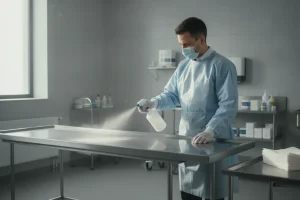

A missing instrument during a complex restoration causes delays and extra stress for your team. You cannot provide top care when you are hunting for a tool or running low on fluids. Staying organized ensures your staff can focus on the vital work of serving families.
Shop Vischer Funeral Supplies’ prep room supplies to keep your team ready for every case.
Essential prep room supplies include PPE, durable and single-use instruments, arterial and cavity fluids, containment products, cosmetics, dressing items, and cleaning supplies. A consistent checklist, clear storage zones, and weekly inventory checks help funeral homes protect staff, avoid delays, and maintain professional standards for every family.
Managing a mortuary is easier with the right tools on hand for every case. Vischer Funeral Supplies created this guide to help you verify stock levels, identify gaps quickly, and build a reliable purchasing routine.
Prep room supplies checklist at a glance
Running a smooth funeral home requires the right prep room supplies on hand at all times. A neat space helps you focus on care rather than searching for tools. This checklist covers the basics and the extra items you need for daily work. Proper stock keeps the room safe and ready for any case. It also helps you work fast and keep high standards for every family you serve.
Everyday essentials for the prep room
Safety starts with personal safety gear (PPE). You must have gloves, gowns, and masks to protect your staff. The CDC suggests scrubbing hands with soap for at least 20 seconds before and after care. Use nitrile gloves for most tasks. When you handle sharp tools, layer heavy-duty gloves over the nitrile ones to prevent cuts. This layered protection is a key part of staying safe while you work with sharp blades or bones.
Daily tasks also need basic tools and fluids. You should stock eye caps, mouth formers, and trocars. Keep a range of arterial fluids and cavity fluids ready. Our prep room supplies include these daily needs to keep your home running well. Check your fluids often so you never run low during a case. Small items like suture thread and needles are also vital to keep in your main workspace.
Hygiene is as important as the tools you use. Keep plenty of surface cleaners and hand soaps near the sinks. A clean room prevents the spread of germs and keeps the air fresh. Make sure your waste bins are easy to reach and have tight lids. Using the right cleaners helps you meet health codes and keeps your team healthy. Always have a backup of these cleaning items in your storage closet.
Case-specific supplies and specialized tools
Some cases need more than the basics. You may need plastic garments to prevent leaks or extra makeup for repair work. Having a prep room set helps you stay ready for complex tasks. These kits often include specific tools for placing the body or handling water flow. Keep a good stock of pads and storage items for cases with high fluid loss. Being ready for these needs shows your skill and care.
Choose your fluids based on the needs of the case. Stronger fluids might be needed for trauma or long delays. You can find many options in our Champion embalming fluid supplies section. Always follow the rules from the maker and check your SDS sheets for safety. This helps you get the best results while staying safe. It also ensures that the remains are stable for the viewing or service.
Placing tools are also a big help for case-specific needs. Blocks and rests help you set the body in a natural way. This is key for a good final look. Having a range of sizes allows you to work with different body types with ease. These tools are often made of plastic or rubber so they are easy to clean after each use. Store them in a place where they can dry fully to keep them in good shape.
Backup stock and inventory management
Do not wait for a supply to run out before you order more. A good stock system tracks how much you use each week. Keep extra PPE and fluids in a cool, dry place. Backup stock is vital for times when shipping is slow or when you have many cases at once. Proper prep room control involves steady checks of your stock levels. This task should be done at the same time every week to avoid gaps.
Think about the shelf life of your fluids when you buy in bulk. Some fluids may lose their strength if they sit too long. Label your bottles with the date you bought them to use the oldest ones first. This “first in, first out” method saves money and ensures high value. Keep your storage area tidy so you can see what you have at a glance. A clear view of your stock makes the reorder process fast and simple.
| Supply Type | Disposable Items | Reusable Tools |
|---|---|---|
| Protection | Nitrile gloves, paper gowns | Heavy-duty aprons, face shields |
| Instruments | Disposable scalpels, eye caps | Trocars, arterial tubes, pumps |
| Containment | Absorbent pads, plastic bags | Positioning blocks, body trays |
| Chemicals | Single-use fluid bottles | Large fluid tanks or mixers |
Which PPE and safety supplies belong in the prep room?
A prep room should stock disposable gloves, chemical-resistant outer gloves, fluid-resistant gowns or aprons, eye and face protection, masks or respirators selected for the task, sharps containers, biohazard bags, hand soap, and approved surface cleaners. Match PPE to the funeral home’s exposure control plan and current manufacturer guidance.
Personal protective equipment (PPE) is the first line of defense for staff in the preparation room. Every funeral home must have a clear exposure control plan to manage risks from blood or other germs. Vischer Funeral Supplies helps teams select the right prep room supplies to support safe, professional work.
Exposure controls and layered hand protection
Standard precautions mean you treat all remains as if they carry infectious germs. This starts with proper hand protection during the embalming process. Professionals often use two layers of gloves for extra safety. A base layer of thin nitrile gloves offers a good grip and feel. Adding a second layer of heavy-duty latex or nitrile gloves provides a stronger barrier against tears or leaks.
The CDC guidelines suggest using heavy-duty gloves over nitrile ones when you handle sharp tools. This helps prevent cuts or sticks that could lead to infection. If a glove fails, you must wash your hands for at least 20 seconds with soap and water right away. Keeping a full stock of varied glove sizes ensures every staff member has a snug and safe fit.
Face and respiratory protection
Eye and face protection are vital when splashing is likely to occur. Full-face shields or goggles that seal against the skin prevent fluids from reaching the eyes or mouth. These items should be easy to clean or cheap enough to throw away after one use. A fluid-resistant mask or an N95 respirator can also help keep you safe from small particles or mist in the air.
Good ventilation is another key part of prep room safety. While PPE protects the person, air systems help clear out chemical fumes and smells. Embalming fluids often contain strong chemicals that require careful handling. Always check the safety data sheets for each product to see if you need specific masks or filters to stay safe while you work.
Sharps safety and waste handling
Handling sharp tools is one of the most common risks in the prep room. Scalpels, needles, and trocars must be used with care to avoid accidental pokes. Engineering controls, like self-sheathing needles, can lower the risk of injury. All used sharps must go into a hard-sided, leak-proof bin that is clearly marked for biohazards. Never try to recap a needle or reach into a sharps bin.
Waste handling also requires a strict routine to keep the room clean and safe. Use red biohazard bags for any items soaked in blood or body fluids. Solid waste should be kept separate from liquid waste to make disposal easier. Following these OSHA safety rules protects your team and ensures your firm stays in line with the law.

Core instruments and positioning tools
A well-stocked prep room needs the right tools to handle tough cases. From simple cuts to full body work, your tools set the quality of the work. Using high-grade prep room supplies ensures that each task is done with care and skill.
Selection of durable and single-use tools
Many funeral homes now use a mix of long-life and single-use tools. Steel forceps and scissors give you the strength needed for heavy use. These tools last for years when you clean and dry them well after each case. But many directors now choose one-time scalpels and blades to save time. One-time items also help lower the risk of germs in the work area. The CDC notes that using the right safety tools can stop many common work injuries.
When you pick your tools, look for shapes that are easy to hold. Handles that fit well in your hand make long hours of work easier. It helps to have many kinds of scissors, such as both straight and curved types. Having the right hook or vein tool ready can make a big change during the process. You can find many of these items in a standard preparation room set which has the basics for most cases.
Positioning aids for natural results
Good body placement is key to a natural look for the viewing. Head blocks and limb tools help you set the body so it looks calm. These aids also help with fluid flow by keeping the body at the right tilt. Placement tools should be made of hard parts that are easy to wash. This keeps the prep room clean and ready for the next case. Using these prep room supplies helps you keep a high standard in your daily work.
Care and change of prep room tools
You must check your tools often for signs of wear. Dull blades and rusty forceps can make your work hard and less safe. It is best to swap any tool that no longer works well. Keeping a small stock of extra tools ensures that you never run out during a case. Regular care, like oiling parts and sharpening edges, can help your best tools last much longer. Following the maker’s guide for each item will give you the best results over time.

How should a funeral home stock fluids and chemicals?
Stock a practical mix of arterial, cavity, accessory, and special-case fluids based on case volume and the products your team uses most. Set minimum quantities, rotate dated stock first, keep safety data sheets accessible, and store every chemical according to its label and your facility’s exposure control plan.
Keeping the right mix of fluids on hand is a key part of running a smooth prep room. A good plan helps you avoid last-minute orders and keeps your work on track. Vischer Funeral Supplies carries Champion embalming fluid supplies for routine and case-specific needs.
Managing your fluid stock
When you look at your fluid needs, think about the types of cases you see each week. You will need a mix of arterial fluids, cavity fluids, and co-injection items. High-index fluids are great for tough cases, while mild ones work well for standard needs. Having a variety of Champion embalming fluids makes sure you have the right tools for every body. You should also stock items like dyes and water mixes to help you get the best results.
It is smart to track how much you use each month. This data tells you when to buy more and helps you spot trends. Some homes like to keep a three month supply of their most used items. This buffer protects you if a shipment is late or if you have a busy week. Managing your stock this way saves time and lowers stress for your team.
Safe storage for prep room supplies
Proper storage keeps your chemicals safe and strong. Many fluids can break down if they get too hot or too cold. You should store your prep room supplies in a cool, dry place away from direct light. Sturdy shelves are a must to hold heavy cases of fluids and prevent spills. Keep items off the floor to make cleaning easier and to protect the bottles from moisture.
Set up your shelves so that the oldest items are in the front. This “first in, first out” method makes sure you use your stock before it goes bad. Clear labels on every shelf help your team find what they need fast. You might also want to group items by type, such as keeping all arterial fluids in one spot. This setup makes it easy to see when one item is running low.
Meeting safety and SDS rules
Safety is the top goal when you work with chemicals. Every bottle in your room must have a clear and correct label. If you move a fluid to a new bin, you must label it right away. You also need to keep a full book of Safety Data Sheets (SDS) in a spot where everyone can find it. These sheets give you key facts on how to handle spills and what to do in a crisis.
Follow your home’s safety plan and use the right gear for every task. The CDC guidance on standard precautions helps keep you safe from harm. You should wear gloves, gowns, and face shields to protect yourself from splashes. It is also wise to wash your hands for at least 20 seconds after you finish your work. Staying on top of these rules keeps your team healthy and your business in line with the law.
Browse Champion fluids from Vischer Funeral Supplies to build a dependable case-ready inventory.
Containment, cosmetics, and dressing essentials
Managing leaks and controlling water are top goals in the prep room. Good containment keeps the workspace clean. It also ensures a professional look for the family. Using high-quality absorbents and prep room supplies helps manage fluids during and after the embalming process. Funeral directors should always follow their exposure control plan. They should also follow manufacturer instructions to keep safety standards high.
Fluid control and containment tools
Containment starts with the right barriers. Plastic undergarments, like unionalls and coveralls, provide a strong shield against leaks. These items are vital for bodies with swelling or trauma. For more specific needs, products like cranial caps and stockings offer local protection. When moving or storing a body, heavy-duty body bags ensure safe transport. They also help keep the area clean.
Absorbents play a key role in leak management. Powders and gels can soak up moisture in the casket or under clothing. These materials work with closures and adhesives to seal cuts and stop leaks. Proper fluid control is more than just about looks. It is a big part of public health safety. The CDC provides guidance on standard precautions to protect staff from germs during these tasks.
Cosmetic application and finishing touches
Cosmetics help funeral directors restore a natural look. Finishing supplies include various colors, creams, and powders for different skin types. Using good brushes and tools ensures a smooth and light look. Many pros start with a base layer to cover marks. Then they add warm tones to the face and hands. This step is vital for families who want an open-casket viewing.
Eye caps and mouth formers help set the face before applying makeup. These small tools provide the shape needed for a peaceful look. Adhesives can help hold these items in place. This ensures the work stays set during the service. High-quality dressing room supplies like these are a must for any well-equipped funeral home.
Dressing and hair care essentials
The final steps involve hair care and dressing the body. Good hair care includes washing, drying, and styling to match how the person looked. Using mild soaps helps keep the hair easy to style. For dressing, it is helpful to have tools like shoe horns and hangers. These items make the job easier. They also protect the clothing from damage or folds.
Managing your stock for these supplies ensures you never run out during a busy week. Keeping a set of items like closures, clips, and makeup allows for smooth work. A well-stocked prep room shows a deep care for the deceased and their loved ones. By focusing on these final details, funeral homes give a meaningful and dignified final farewell.
How to organize and restock prep room supplies
A tidy, well-stocked workspace saves time and reduces stress during busy shifts. A clear inventory system lets the team focus on caring for the deceased instead of hunting for gloves, fluids, or small instruments.
Group items by task
Create dedicated zones for PPE, fluids, instruments, cosmetics, and small closure items. Keep daily-use supplies within easy reach and reserve labeled storage for backup stock. Place hand soap and towels at every sink to support consistent hygiene.
Track stock levels
Set a minimum quantity, or par level, for each product. When inventory reaches that number, reorder before the shelf is empty. Check dated products regularly and use first-in, first-out rotation so older stock is used before newer deliveries. Vischer Funeral Supplies makes it easy to review and reorder prep room supplies from one category.
Follow a weekly stock workflow
- Group supplies by use: Create zones for PPE, fluids, tools, and small parts.
- Set par levels: Record the minimum quantity for each routinely used item.
- Label storage: Use clear bins and labels so every team member can find items quickly.
- Rotate stock: Move older dated products to the front for first use.
- Check weekly: Identify low items before they disrupt a case.
- Audit monthly: Compare physical stock with purchasing records and adjust par levels.
- Maintain backup stock: Reserve extra gloves, fluids, and high-use consumables for busy weeks.
Assign one person to lead the inventory process and maintain safety data sheets and manufacturer instructions. Clear ownership makes restocking more consistent and helps the whole room operate safely.
Review your checklist, then order missing prep room supplies before the next busy week.
Frequently Asked Questions
How should I sort and store my prep room supplies?
You should keep your tools and fluids in a clean and dry place. Group items by how often you use them. Place daily tools like gloves and eye caps in easy reach. Store extra stock on high shelves to save space. Label all bins clearly so your team can find gear fast. A neat room helps you work with more focus and less stress.
How do I pick the right embalming fluid for a case?
Pick your fluids based on the state of the body. You may need stronger fluids for cases with long delays. Always read the rules from the maker and check your safety sheets first. This helps you get the best results while keeping your staff safe. You can find many options in the Champion embalming fluid supplies section.
How often should I check my funeral home stock?
It is best to check your stock once a week. This helps you find items that are running low before they run out. Note how many fluids and gloves you use during busy times. Regular checks help you avoid rush orders and high shipping costs. Staying on top of your stock ensures your room is always ready for the next case without delay.
What safety gear do I need in a prep room?
You must wear safety gear like gowns, masks, and gloves. According to the CDC, you should also wash your hands with soap for at least 20 seconds before and after care. Use thin gloves for most tasks. Put thick gloves over them when you use sharp tools. This helps prevent cuts and keeps your team safe from germs.
Ready to stock your prep room with ease?
Running low on key tools in the middle of a busy week can slow down your work and add stress to your day. It is much better to keep a full stock of gear on hand so you can focus on the folks you serve. When you set up a strong supply plan now with our prep room supplies, you avoid the high cost of rush orders. Having the right items in your room means your team can stay safe and work with more speed. You will see that a well-stocked room helps you finish your tasks on time and with less worry. A small change in how you buy goods today can save you from big headaches next month.
Ready to help your team stay ready for any case? Call 800-752-8767 to shop prep room supplies or call for product guidance.