
A mortuary cot maintenance program combines pre-use safety checks, scheduled cleaning and moving-part checks, wear-point inspection, and documented repair decisions. Consistent maintenance helps funeral-home teams protect staff, preserve equipment function, and support dignified removals while following each manufacturer’s manual.
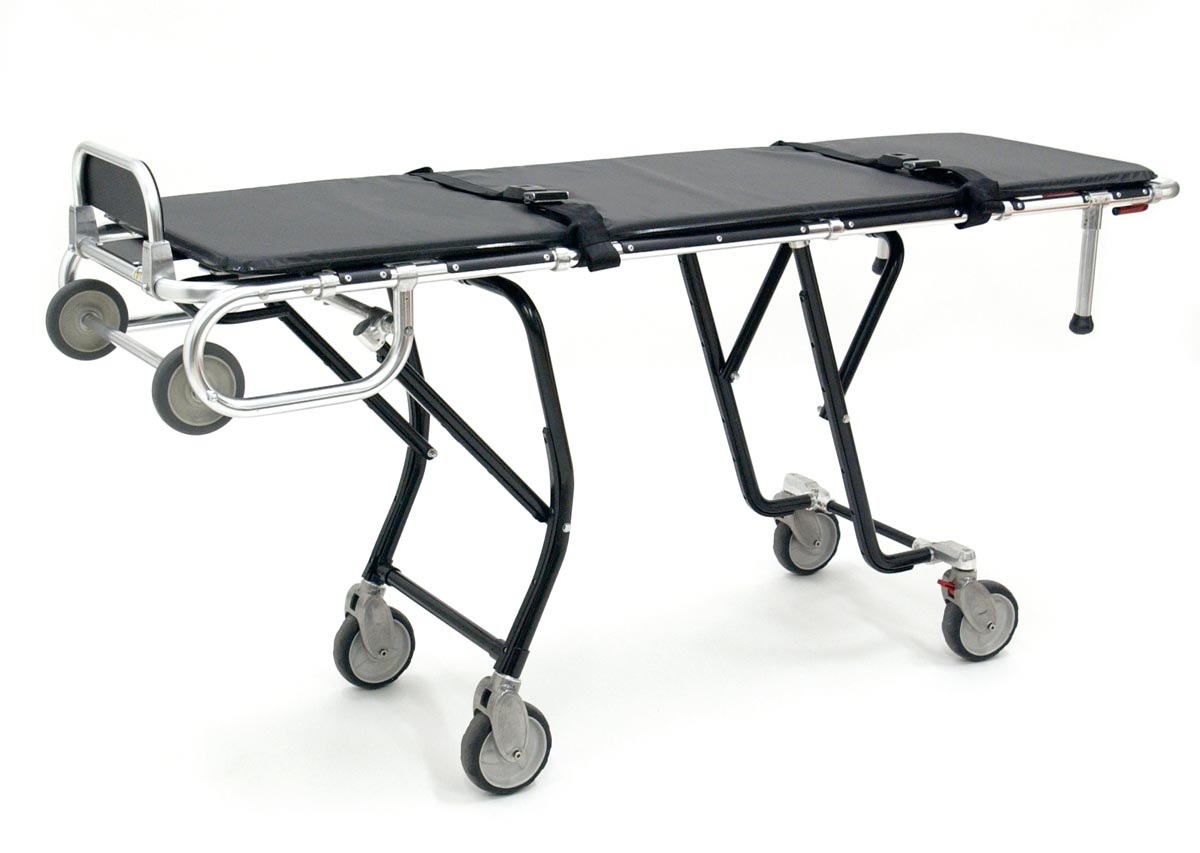
What Does a Mortuary Cot Maintenance Program Include?
Answer: A practical program includes a check before each use, a more thorough weekly review, manufacturer-qualified cleaning and lubrication, inspection of wear points, and a written repair-or-replace decision when equipment no longer performs safely.
Use the current manual for the specific cot as the controlling source for cleaning agents, lubricants, service intervals, load limits, and repair instructions. The guidance below is an operational framework, not a replacement for manufacturer requirements.
What Should Be Checked Before Each Use?
Answer: Before each use, check the cot’s wheels, locks, height-adjustment mechanisms, frame, restraints, mattress, and covers or pouches for safe operation and visible damage.
- Roll the cot and confirm that wheels and casters move as expected.
- Engage the wheel and frame locks and confirm that they hold.
- Operate height-adjustment, folding, and loading mechanisms without forcing them.
- Inspect the frame, legs, handles, and connection points for cracks, bends, looseness, or other damage.
- Check restraints, mattress surfaces, covers, and pouches for wear, contamination, or damage.
- Remove equipment from service and follow the manufacturer’s process if a safety-critical defect is found.
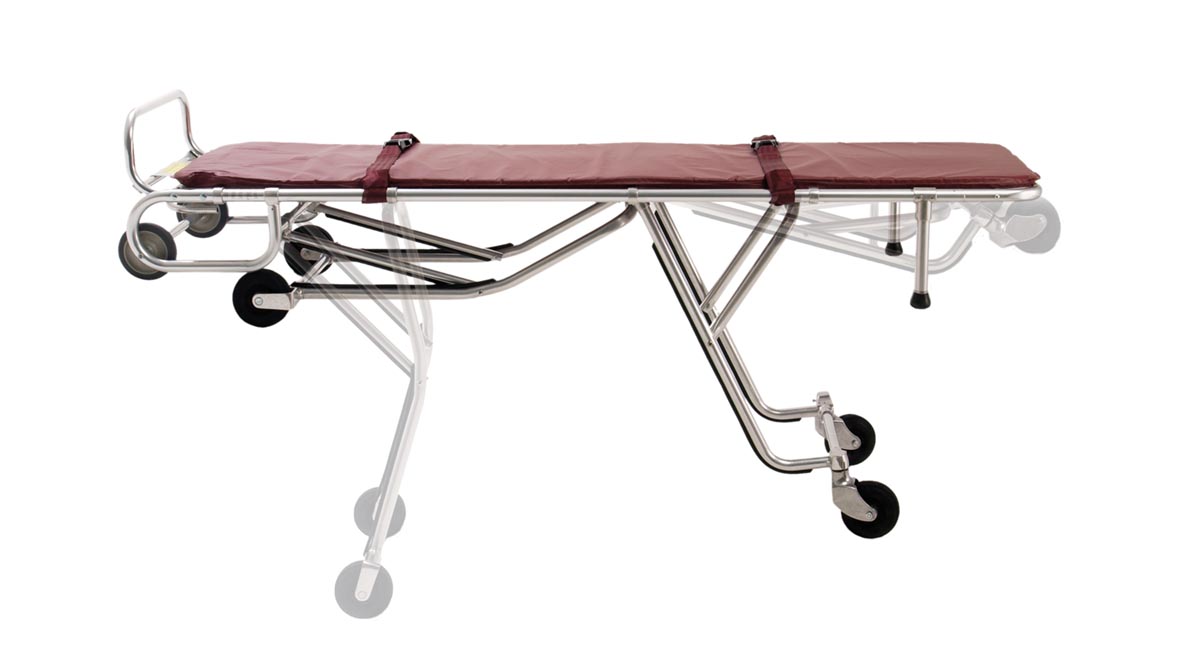
How Should Weekly Cleaning and Moving-Part Checks Be Handled?
Answer: A weekly review should clean contact points, inspect moving parts, check folding and locking mechanisms, and apply only the products and lubrication specified by the manufacturer.
- Clean the frame, handles, mattress surfaces, and other contact points with a product approved for that cot’s materials.
- Inspect moving parts for resistance, looseness, abnormal noise, or visible wear.
- Lubricate only where the current manufacturer manual permits it and with the specified product.
- Test folding, loading, height, and locking functions without forcing a mechanism.
- Record the date, findings, corrective action, and person responsible for follow-up.
Disinfectant compatibility and lubrication requirements vary by manufacturer and model. Do not treat a general cleaning product or service interval as universally safe.
When Should Wheels, Restraints, Covers, or Pouches Be Replaced?
Answer: Replace a component when it is damaged, excessively worn, contaminated beyond approved cleaning, or no longer performs its safety or protective function, using model-compatible parts.
| Component | Inspect for | Next step |
|---|---|---|
| Wheels and casters | Tracking problems, flat spots, excess play, damage, or locks that do not hold | Remove from service and follow manufacturer repair or replacement guidance |
| Restraints | Fraying, damaged hardware, failed releases, contamination, or loss of secure adjustment | Replace with a compatible restraint and follow the cot manual |
| Covers and pouches | Tears, failed closures, worn seams, contamination, or loss of protection | Confirm model fit in the cot-cover category |
| Mattress and frame | Cracks, warping, exposed material, structural damage, or unsafe operation | Stop use and obtain manufacturer-qualified service guidance |
Should a Mortuary Cot Be Repaired or Replaced?
Answer: Repair is appropriate only when the manufacturer or a qualified service provider confirms that the defect can be corrected safely; replacement deserves consideration when structural damage, recurring failures, or unsafe operation persists.
- Document the defect and any previous repair history.
- Compare the repair recommendation with the cot’s age, condition, and required workload.
- Do not return equipment to service when a frame, lock, wheel, or restraint remains unsafe.
- Use the manufacturer’s parts and service guidance for the exact model.
How Do Model Compatibility and Replacement Equipment Fit Together?
Answer: Model compatibility matters because dimensions, attachment points, restraints, covers, and service parts are not automatically interchangeable across mortuary cots.
For product-specific research, review the Ferno iNX powered cot, Ferno Model 24 mortuary cot, and Junkin MC-100A-HD heavy-duty mortuary cot. Confirm the exact model and configuration before purchasing a replacement mattress, restraint, cover, pouch, wheel, or other component.
Mortuary Cot Maintenance FAQs
How often should a mortuary cot be inspected?
Perform a basic inspection before each use and schedule a more thorough review at the interval in the current manufacturer manual. Weekly operational checks can support a repeatable program, but the model-specific manual controls.
What should I use to clean a mortuary cot?
Use only cleaning and disinfecting products approved for the cot’s materials and specified by the manufacturer. Follow label directions and the current manual rather than assuming one product fits every model.
When should mortuary cot wheels or restraints be replaced?
Replace them when they are damaged, excessively worn, contaminated beyond approved cleaning, or no longer perform safely. Confirm the replacement part is compatible with the exact cot model.
Where can I find cot covers, pouches, or replacement equipment?
Review the cot covers, pouches, and quilts category and the product pages above, then ask Vischer to confirm fit and availability for the exact model.
Ask Vischer about mortuary cot maintenance and replacement parts.
Request help choosing compatible removal equipment.