

Moving a casket safely is not a single task. It may involve a chapel, a hearse or removal vehicle, a loading area, a crematory, or a restricted mortuary route, each with different space and handling demands. The right equipment should support a stable, respectful move while fitting the facility, vehicle, and team that will use it.
Contact Vischer Funeral Supplies for casket carriage guidance
A casket carriage is a wheeled support or transport device used to move a casket across a facility or between handling points. Depending on the manufacturer and setting, operators may also hear terms such as casket trolley, casket truck, cart, carrier, or bier. Terminology is not universal, so selection should focus on the equipment’s actual role, dimensions, maneuverability, securement, and compatibility with the intended workflow.
That distinction matters because a device suited to a chapel may not be the best choice for vehicle loading, cold-storage transfers, or forensic work. Start by clarifying what the equipment is designed to do and how that role differs from related transport equipment.
What Is a Casket Carriage?
A casket carriage is a piece of equipment used to support and move a casket across a funeral home, chapel, loading area, or other facility setting. Depending on the manufacturer, region, or specific task, the same general type of equipment may be called a casket trolley, casket truck, casket cart, or casket carrier.
These names are related, but they are not universal technical terms. In everyday funeral-service use, carriage often describes equipment that carries a casket on a wheeled frame or platform. Trolley commonly emphasizes rolling movement, while truck or cart may describe the frame, wheels, or general utility of the equipment. Carrier is a broader word for something designed to support and move the load. Product names can use these terms differently, so the equipment’s intended workflow matters more than the label.
Regulated terminology can also be broader than product terminology. For example, Maine defines transportation equipment to include rigid mechanisms such as a stretcher, cot, rack, tray, platform, or casket when used to transport human remains. The same rules define a platform as a rigid surface that facilitates loading and unloading transportation equipment. These definitions help explain why a casket carriage may be discussed alongside platforms, racks, and other transport equipment, even when a catalog uses a different product name. Review the Maine definitions when a jurisdiction-specific interpretation is important.
When comparing options, start by describing the move the equipment must support: service-room positioning, chapel movement, vehicle loading, or facility transfer. Then confirm dimensions, maneuverability, securement, and compatibility with the route and vehicle rather than relying on whether the product is called a carriage, trolley, truck, cart, or carrier.
How Does a Casket Carriage Fit Different Facility Workflows?
A casket carriage should match the route, surfaces, vehicle interface, and handling team that will use it. The right choice for chapel movement may not be the right choice for a mortuary transfer, crematory loading area, or forensic facility.
Chapel and service movement
Inside a funeral home, prioritize controlled movement through chapels, arrangement rooms, corridors, and entrances. Confirm turning clearance, floor transitions, elevator dimensions, and the space needed for staff or pallbearers to work safely. A casket utility cart may be relevant for short, controlled moves, while a church truck is a different solution for service or cemetery use.
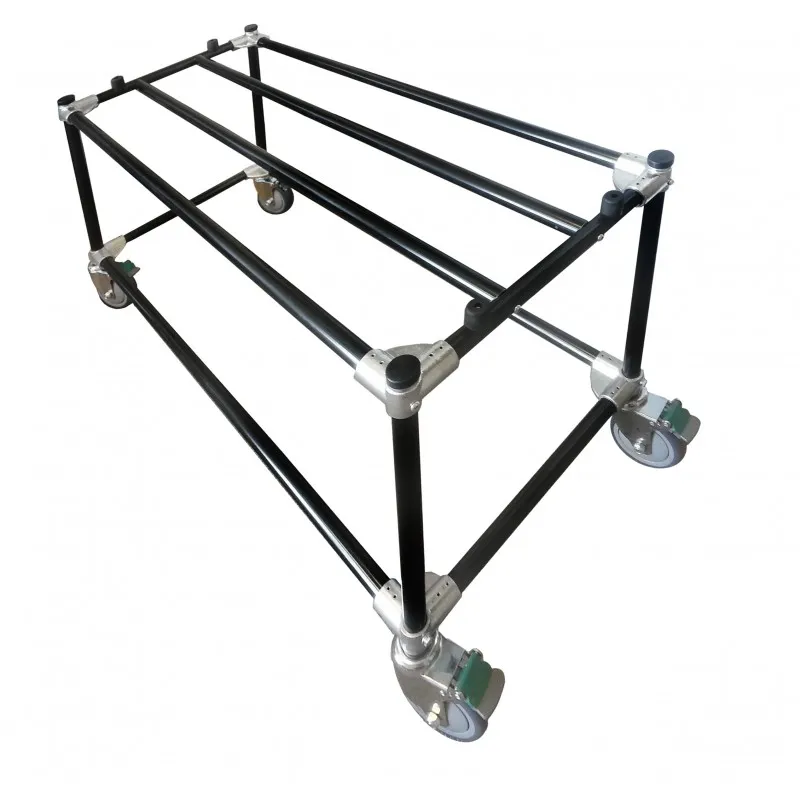
Vehicle and loading transitions
When the carriage connects a facility route to a vehicle, measure the complete transition rather than the carriage alone. Check door openings, deck height, floor level, ramp angle, turning space, and the method used to secure equipment during transit. Maine guidance, for example, addresses concealed remains, adequate enclosed space, limited movement during loading, and secure attachment of a platform while a vehicle is in transit. Those provisions are jurisdiction-specific, so verify the rules that apply to your operation. Review casket transport equipment as an example of equipment intended for this part of the workflow.
Mortuary, crematory, and forensic transfers
Mortuary routes often involve cold storage, tight access points, uneven thresholds, and transfers between handling equipment. Oregon OSHA notes that awkward positions, limited space, and high or low storage shelves can increase ergonomic strain. Plan staffing and equipment around the actual route, not an idealized straight path. Crematory and forensic facilities should also account for privacy, cleaning, restricted access, and compatibility with their receiving areas. Maryland rules illustrate how some jurisdictions address enclosed cargo, shifting prevention, vehicle size, and impervious floors, but these are not universal specifications. Confirm local requirements and product dimensions before purchase.
Which Casket Carriage Features Matter Most?
The right equipment should match the casket, route, vehicle, facility surfaces, and handling team. Review stability, cleanability, movement, securement, dimensions, and support together rather than choosing from a single feature or product label.
| Feature | What to evaluate | Why it matters |
|---|---|---|
| Stability | How the carriage behaves during loading, turns, transitions, and stops. | Stable movement helps limit excessive tilting or shifting during handling. |
| Surface and cleanability | Whether contact surfaces are durable, accessible for cleaning, and compatible with the facility’s procedures. | Nonporous or impervious surfaces may be relevant where sanitation and spill control are part of the workflow. |
| Maneuverability | Turning clearance, doorway width, floor transitions, ramps, elevator access, and storage space. | A carriage that fits the load but not the route can create unnecessary lifting and transfer work. |
| Securement | How the load or platform is restrained during vehicle movement and whether the method fits the vehicle. | Securement should prevent unwanted movement and be checked before transit. |
| Dimensions and capacity | Measure casket length and width, route clearances, vehicle openings, floor height, and the equipment’s documented capacity. | Rules and facility needs vary. Confirm the actual measurements instead of assuming a universal fit. |
| Support | Availability of product guidance, replacement parts, service information, and help with application questions. | Consultative support is valuable when the equipment must work across chapel, removal, vehicle, or specialty-facility settings. |
For a concrete product example, review casket truck options as part of your comparison. Treat the product page as a starting point, then verify dimensions, capacity, vehicle compatibility, and operating requirements for your specific use.
Regulatory examples reinforce why these checks matter. Maine rules address secure platforms, level vehicle fit, and limiting excessive movement, while Maryland rules address vehicle sizing, enclosed cargo areas, shifting prevention, and impervious floors. Those requirements are jurisdiction-specific, so confirm the rules that apply to your operation before selecting equipment.
How Should Teams Plan a Casket Carriage Move?
Plan the move as a route, equipment, and team-handling decision rather than a last-minute lift. A documented plan helps reduce awkward transfers, protect the casket and surrounding surfaces, and maintain dignity throughout the movement.
- Measure the route. Walk the complete path before the move, including doorways, turns, ramps, elevators, stairwells, thresholds, and the transition into a vehicle or storage area. Oregon OSHA notes that access limitations and stairwell configurations can make a gurney unsuitable, so identify a workable alternative before the team is handling the load. See the Oregon OSHA body-handling guidance.
- Confirm load and dimensional data. Record the casket or container dimensions, estimated total load, carriage dimensions, clearance, and vehicle or platform limits. Confirm that the equipment fits the intended route and enclosed space. Requirements vary by jurisdiction and vehicle type, so treat Maine, Maryland, and other state rules as references for local review, not as universal legal advice.
- Prepare floors and transitions. Clear the route, protect vulnerable flooring, and address thresholds or changes in elevation before movement begins. Check that receiving areas and vehicle floors are clean, level where required, and suitable for the equipment. Maryland rules, for example, specify a nonporous, impervious floor for certain removal vehicles.
- Assign and brief the team. Name a lead, identify who controls the carriage, and establish clear stop and direction commands. Oregon OSHA recommends training workers to determine staffing needs and ensuring adequate staffing for team handling. Brief pallbearers or other participants on hand placement and coordinated lifting before the move.
- Secure and inspect before movement. Check wheels, brakes, handles, fasteners, restraints, and contact points. Confirm that the load is centered and stable, and that any vehicle platform or carriage securement is engaged. Maine guidance emphasizes avoiding excessive tilting or movement during loading, transport, and unloading.
- Document lessons learned. Afterward, note tight clearances, surface problems, staffing changes, equipment issues, and any near miss. Use the record to revise the route plan, briefing, or equipment choice for the next service, transfer, or removal.
What Safety and Privacy Checks Should Operators Review?
Before a casket carriage enters routine service, review the move as a complete workflow. Protect the deceased person’s dignity, confirm equipment stability, and make sure the team can move safely through the facility and vehicle.
Privacy and securement. Check whether the route and vehicle keep remains concealed from public view. Maine guidance calls for concealing remains, providing enough enclosed space, and avoiding excessive tilting or movement during loading, transport, and unloading. It also addresses secure platform attachment and level vehicle-floor alignment. These are Maine examples, not nationwide rules; confirm the requirements for your jurisdiction and vehicle type. Review Maine’s transportation guidance.
Maryland provides another jurisdiction-specific example. Its removal-vehicle rules address appropriate sizing, obscured windows, a fully enclosed cargo bay, anti-shift design, and a nonporous, impervious floor. Use those points as a planning checklist, not as a blanket standard for every operation. Review Maryland’s vehicle requirements.
Cleaning and access. Inspect contact surfaces for damage, confirm they can be cleaned according to your protocols, and measure doorways, turns, ramps, elevators, stairwells, loading decks, and storage spaces. A carriage that fits the casket but cannot negotiate the route is not a safe choice. Include any leak-control and surface requirements that apply to your facility.
Staffing, ergonomics, and training. Oregon OSHA notes that body position, restricted access, stairwell configuration, and cold-storage shelving can create unpredictable transfer conditions and awkward lifting. Its guidance recommends selecting proper equipment, determining staffing before a move, and training workers in musculoskeletal hazards and team handling. Read Oregon OSHA’s body-handling guidance. Train operators on inspection, securement, route communication, and stop-work conditions, and teach pallbearers safe casket handling when they are part of the workflow.
Contact Vischer for equipment-fit guidance based on your facility, vehicle, and service conditions.
Casket Carriage vs. Church Truck, Bier, and Transporter
A casket carriage is a broad working term for equipment that supports and moves a casket, but the best choice depends on where the move occurs. A church truck, bier, utility cart, and vehicle transporter may all assist with casket movement while serving different parts of the service or transfer workflow.
Church trucks: A church truck is generally intended for controlled movement during a funeral service, particularly between a hearse, chapel, church, and cemetery setting. Its design may prioritize a dignified appearance, maneuverability over finished surfaces, and practical handling by a service team. Vischer’s MOBI cemetery church truck is an example of this adjacent equipment category. Review the product documentation and route conditions rather than assuming that every church truck fits every casket, surface, or ceremony.
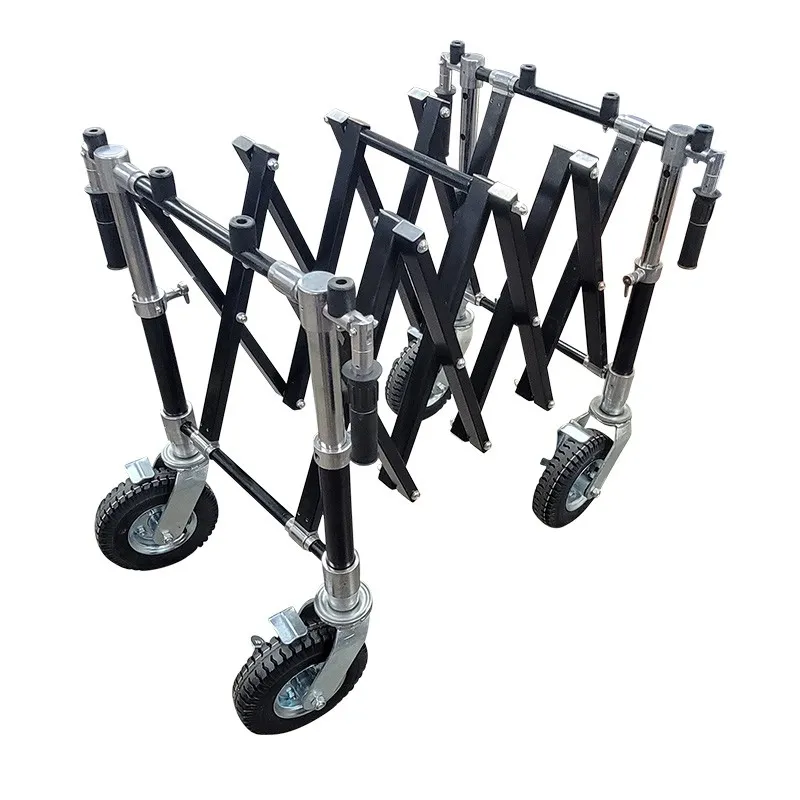
Casket biers: A bier is another neighboring term for a support or carrier used to hold and move a casket. It may be more appropriate when the facility needs a stable platform for positioning, display, or short-distance movement. Browse the casket biers category when comparing this equipment family, while checking dimensions, clearances, load information, and the intended setting.
Utility carts and transporters: A utility cart may support routine in-building movement where compact maneuvering matters. A vehicle transporter, by contrast, is selected for transitions involving a vehicle, loading deck, or exterior route. The DD4000 casket transporter represents that distinct transport use. Before choosing, map the complete route from starting point to destination, including thresholds, ramps, vehicle fit, privacy needs, and any required securement. In many operations, more than one equipment type is appropriate because the service movement and the vehicle transfer are separate tasks.
How Do You Maintain and Reevaluate Casket Carriage Equipment?
A casket carriage should be reviewed as part of the facility’s complete handling route, not only when a visible defect appears. Ongoing checks help preserve stable movement, dignified presentation, and a workable fit for funeral home, mortuary, crematory, and forensic operations.
Inspect wheels and casters for uneven rolling, looseness, damaged tread, and debris that could affect steering or stopping. Check the frame, handles, rails, and load-bearing surfaces for bending, cracks, sharp edges, corrosion, or finishes that have become difficult to clean. Securement points deserve separate attention: confirm that straps, stops, locks, and attachment hardware remain intact and engage as intended.
After each use, follow the facility’s approved cleaning and disinfection procedure. Pay particular attention to seams, joints, contact surfaces, and any area where fluid could collect. A nonporous, impervious surface is easier to clean, and Maryland’s removal-vehicle rules illustrate why cleanability and containment should be part of equipment planning: the rule describes an impervious cargo-bay floor.
Reevaluate the carriage when routes, vehicles, doorways, storage areas, staffing, or service patterns change. Ask operators whether maneuvering now requires awkward postures, extra force, or unplanned transfers. Document recurring feedback, repairs, cleaning concerns, and near misses. Replacement is appropriate when the equipment no longer fits the route, cannot be cleaned reliably, securement cannot be trusted, or repairs no longer restore safe, controlled movement.
Frequently Asked Questions
What is the thing called that holds a casket?
Depending on its design and setting, it may be called a casket carriage, bier, casket truck, trolley, cart, or carrier. The terms are not universal, so confirm whether the equipment is intended for chapel movement, vehicle loading, cemetery use, or facility transfers before comparing models.
What is a casket trolley called?
A casket trolley is commonly described as a casket carriage, casket truck, or utility cart. In practical terms, the important distinction is how it supports and moves the load. Review the route, turning space, surfaces, securement needs, and transition points rather than relying on the product name alone.
What’s it called to carry a casket?
Carrying a casket may involve pallbearers, a bier, a church truck, a casket carriage, or other transportation equipment. The right choice depends on whether the move is manual or wheeled, the distance involved, the available access, and the handling plan. Oregon OSHA recommends training pallbearers in safe casket handling and team-lifting techniques: Oregon OSHA guidance.
What is a casket vehicle called?
A vehicle used to convey human remains may be called a hearse, removal vehicle, or multipurpose funeral vehicle, depending on its construction and intended use. Definitions and requirements vary by jurisdiction. For example, Maine distinguishes a hearse from a multipurpose funeral vehicle in its rules. Review Maine transportation rules.
Ready to Choose the Right Casket Carriage?
A well-matched casket carriage can help your team move with greater control across the routes, vehicles, and service areas your facility uses every day. If you are comparing carriage styles or coordinating related transport equipment, Vischer Funeral Supplies can help you think through the fit for your workflow. Contact Vischer Funeral Supplies to discuss your equipment questions and next steps.