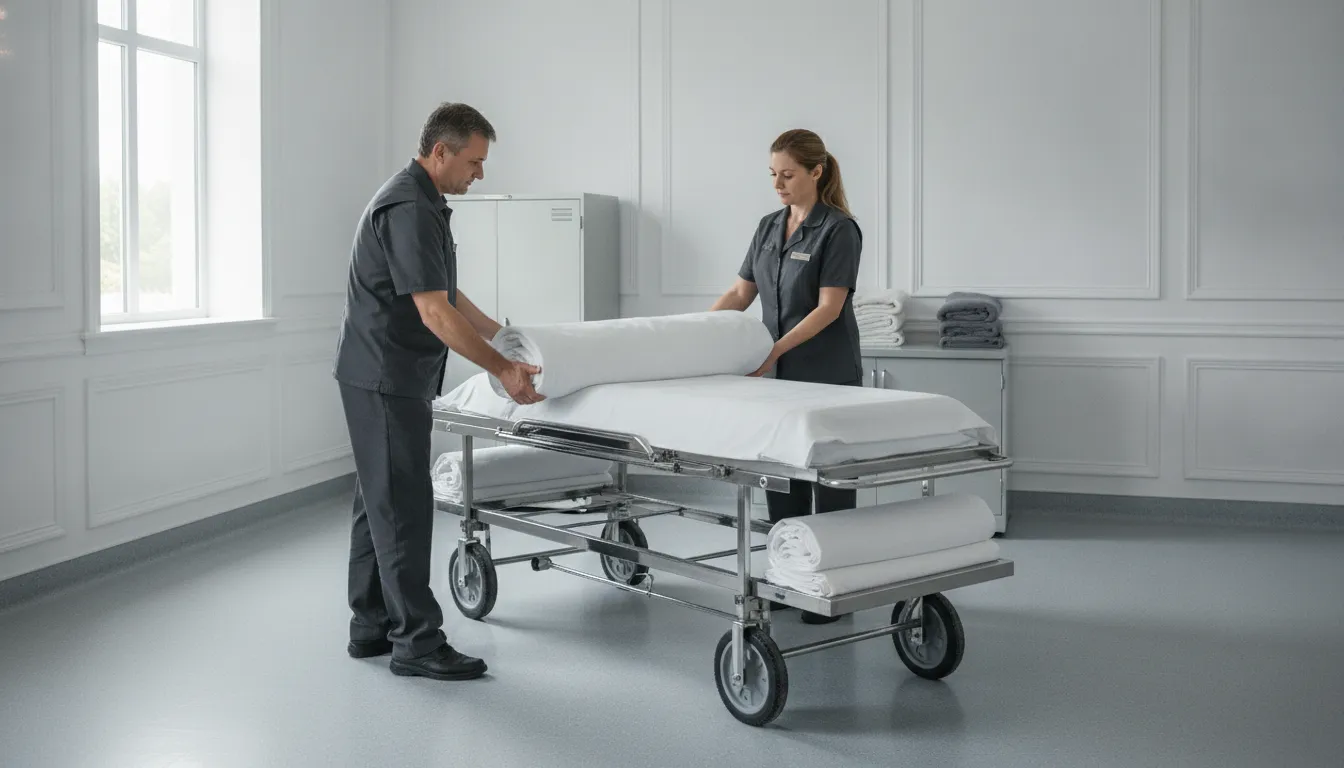
A BioSeal removal system gives funeral home and mortuary teams a dedicated way to manage leakage control during a removal, transfer, or transport. Unlike a standard cot cover, a BioSeal setup is built around containment material and a compatible sealing process. That makes system planning just as important as the roll, pouch, or dispenser you purchase.
This guide explains how to evaluate BioSeal options without confusing leakage control with general body-bag selection, cot protection, or personal protective equipment. The right choice depends on your case mix, available workspace, removal equipment, transport route, storage plan, and staff training.
Call 800-752-8767 to review BioSeal removal system options with Vischer.
What Is a BioSeal Removal System?
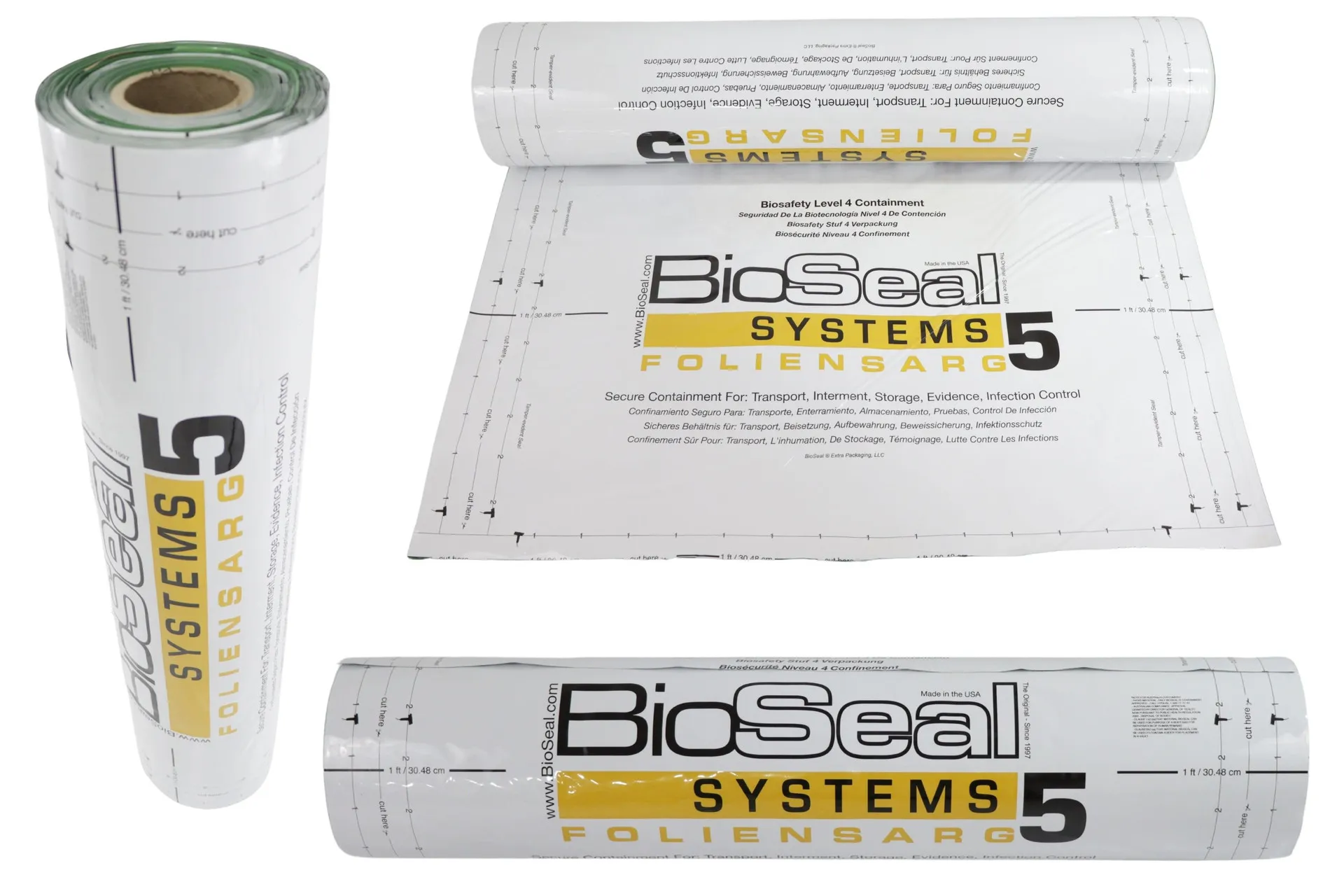
A BioSeal removal system is a containment setup that uses BioSeal material and compatible heat-sealing equipment to help control leakage during handling and transport. It is a product system, not one universal bag size. Depending on the facility and workflow, a team may select continuous roll material, an individual pouch, a portable system, a fixed dispensing system, a rack, or a dedicated heat sealer.
Vischer’s BioSeal removal category includes leakage-control products for funeral home, removal, and forensic workflows. The category currently includes roll products, individual pouches, portable and facility systems, wall and vertical racks, a team training system, and a custom heat sealer.
Keep the roles of nearby products clear:
- BioSeal systems: focus on heat-sealed leakage control and containment.
- Body bags and shrouds: provide general transport or handling options with different materials, sizes, and closure styles. See Vischer’s body-bag selection guide for that separate decision.
- Cot covers and pouches: protect or cover a removal cot and may serve a different operational purpose. Compare options in the mortuary cot-cover guide.
- PPE: protects the worker and remains necessary according to the facility’s exposure-control plan. A containment product is not a replacement for gloves, protective clothing, eye protection, or other required controls.
When Does Leakage Control Matter During a Removal?
Leakage control matters when the team must move remains while limiting fluid release, protecting the route and equipment, and preserving a consistent handoff between locations. The need may be obvious before the first call, or it may become apparent when staff assess the situation and the available equipment.
Build the decision around the removal rather than a product name. Situations that deserve advance planning can include:
- A case with known or anticipated leakage that requires a more controlled containment approach.
- A long transfer, multiple handoffs, or a route where cleanup access is limited.
- A removal from a difficult location where the team must stage equipment before moving.
- Transport to a funeral home, crematory, medical examiner, or other receiving facility with its own intake requirements.
- A facility that handles enough varied cases to benefit from both individual pouches and roll-based systems.
For worker safety, containment planning should sit inside the facility’s broader exposure-control process. The CDC and NIOSH health and safety recommendations for personnel who handle human remains provide background for evaluating work practices, protective equipment, and facility procedures. Follow applicable regulations, your written procedures, and the product manufacturer’s instructions for the specific case.
How Does BioSeal Fit Into a First-Call Workflow?
BioSeal works best when it is planned as one part of the first-call workflow, from the initial assessment through final handoff and cleanup. The system should be staged before it is needed, and team members should know who is responsible for the material, sealer, cot, PPE, and documentation.
- Assess the scene and route. Consider access, distance, stairways, weather exposure, available working space, and where the receiving team will take over.
- Choose the containment format. Decide whether the case calls for an individual pouch, material from a roll, or a complete dispensing setup. If the required format is uncertain, pause and consult the product documentation or Vischer team.
- Stage the equipment. Bring the compatible material, heat sealer when required, removal cot or stretcher, PPE, absorbent or cleanup supplies used by your facility, and any documentation your receiving location requires.
- Keep the movement plan simple. Assign roles before lifting or transferring. Avoid improvising with a format that staff have not practiced.
- Complete the handoff. Confirm the receiving team understands the containment format and any relevant handling instructions. Record supply use, equipment issues, and follow-up needs after the call.
This workflow is intentionally general. Product-specific sealing steps, heat settings, contact times, and inspection methods must come from the current BioSeal instructions for the material and sealer in use.
Which BioSeal Format Fits Your Facility?
The best BioSeal format is the one your team can stage, use, seal, inspect, and replenish consistently. A small funeral home with occasional need may value individual pouches or a roll with a compact setup. A high-volume removal service, forensic department, or larger facility may need a dedicated dispensing station and documented training.
| Format | Role | Questions |
|---|---|---|
| System 5XL 90-foot roll | Flexible material planning | Where will it be stored and sealed? |
| System 5 150-foot roll | Roll-based workflow | How often will it be used? |
| System 5 individual pouch | Ready-format option | Does it fit routine cases? |
| Portable system | Mobile dispensing setup | Will portability improve staging? |
| Facility or rack system | Fixed-location workflow | Is there safe clearance? |
| Custom heat sealer | Compatible sealing tool | Which width matches the workflow? |
Use the full removal equipment category to view BioSeal alongside cots, transfer boards, stretchers, cot covers, and other removal aids. The comparison is useful because leakage control is only one part of a complete first-call setup.
What Size and Setup Questions Should You Ask?
Size is more than the length of a roll or the name of a pouch. It includes the remains, the cot or table, the movement path, the sealer, the work surface, and the people using the system. Before choosing a format, document the physical and operational constraints that could cause delays or an incomplete seal.
- Case profile: Which body sizes, positions, and conditions does your team routinely encounter?
- Equipment fit: Does the planned containment method work with the cot, stretcher, transfer board, or table used by your team?
- Working space: Can staff lay out material without dragging it across a contaminated or obstructed surface?
- Sealer access: Is the compatible heat sealer available where sealing will occur, with a safe power source and enough room to operate it?
- Transport path: Can the sealed setup move through doors, elevators, vehicles, and receiving areas without snagging or unnecessary handling?
- Storage: Can rolls, pouches, and the sealer be kept clean, dry, protected, and easy to locate?
- Replenishment: What minimum stock level will prevent a high-priority call from depending on one remaining roll or pouch?
Do not substitute a guessed dimension for a current product specification. Confirm the material, format, and compatible accessories with the product documentation before you standardize a setup.
How Should Staff Stage, Seal, and Verify the System?
Consistent use depends on training, a defined sequence, and a deliberate seal check before transport. Every person who may use the system should know where the material is stored, which sealer is compatible, how to request help, and what to do when the seal or equipment does not look right.
- Stage before the transfer. Gather the material, compatible sealer, removal equipment, PPE, and facility-approved cleanup supplies. Keep unnecessary traffic away from the work area.
- Follow the current product instructions. The manufacturer-specific process controls how material is positioned and how the heat sealer is used. Do not copy a setting or timing from a different material or device.
- Inspect the completed seal. Look for an even, continuous seal and any visible defect identified in the product instructions. If the seal is incomplete, stop and follow the facility’s correction procedure before transport.
- Document and debrief. Record a supply or equipment issue, notify the responsible manager, and replace anything that should not be returned to ready stock.
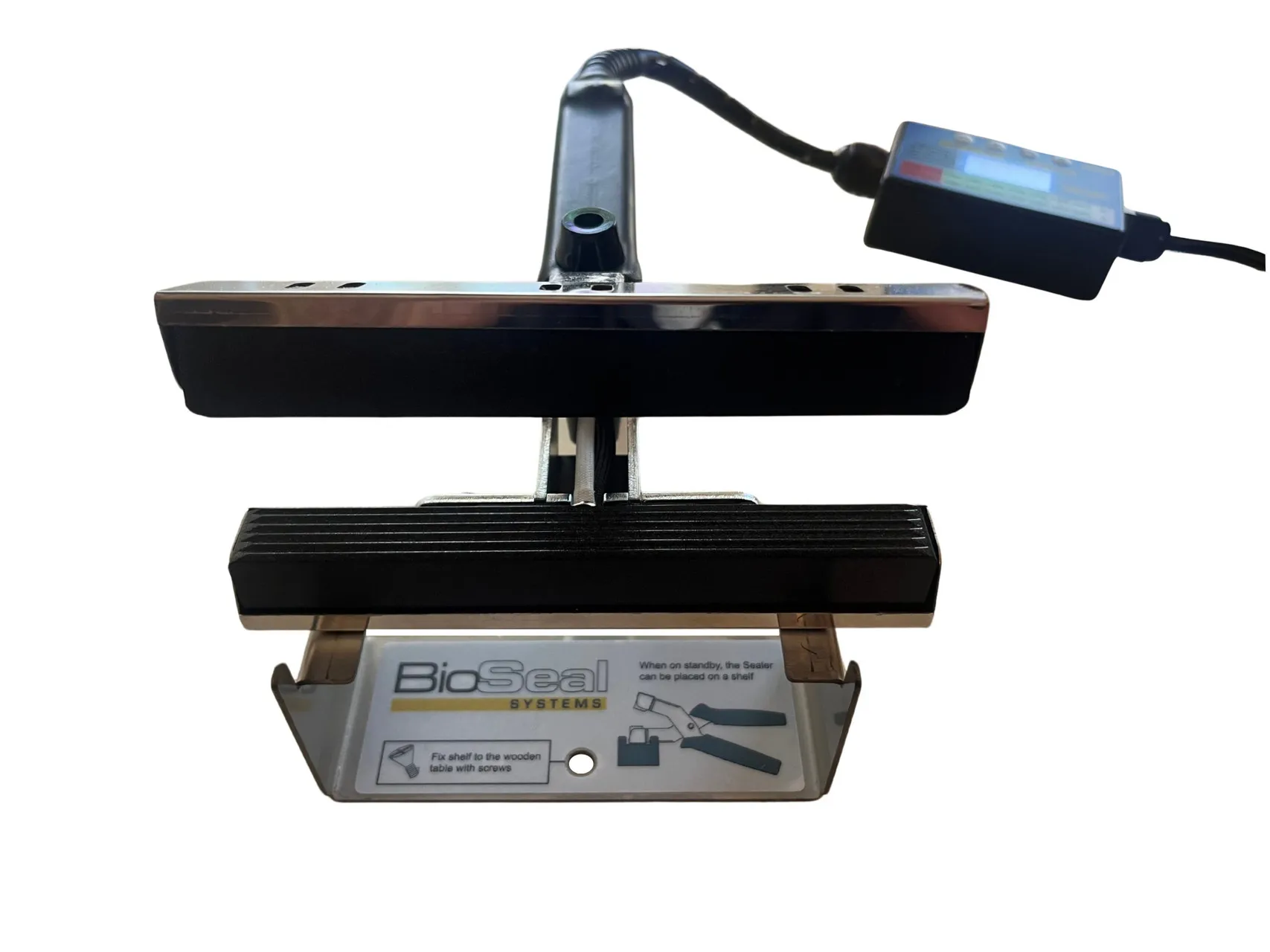
Vischer lists a custom heat sealer made for BioSeal with 6-inch and 8-inch width options. Confirm the correct option for the material and workflow you use. For technical questions, consult the current manufacturer documentation and the team that supplied the system.
What Should You Document and Reorder?
A simple inventory and training record turns leakage control from an emergency purchase into a repeatable operational capability. Review the system after each use and during routine equipment checks, not only when a difficult removal is underway.
- Rolls, pouches, and accessories consumed by format and date.
- Heat-sealer condition, cord or power concerns, and any failed or repeated seal.
- Staff training dates, new-hire orientation, and refresher needs.
- Storage location, minimum stock level, and reorder contact.
- Equipment compatibility questions raised during a removal or handoff.
- Cleanup, exposure, or incident documentation required by the facility’s written procedures.
Pair the BioSeal review with the rest of your removal equipment audit. If a cot, lift, or transfer aid is also due for replacement, Vischer’s casket lift selection guide and removal catalog can help keep those decisions separate from containment-material selection.
How Is BioSeal Different From Body Bags and Cot Covers?
BioSeal is a specialized leakage-control option, while body bags and cot covers address broader transport, protection, or presentation needs. The products can appear in the same removal workflow, but they should not be treated as interchangeable.
- Choose a general body bag when the primary question is material, size, closure, or routine transport containment.
- Choose a cot cover when the priority is covering or protecting a removal cot as part of normal operations.
- Evaluate BioSeal when a heat-sealed leakage-control workflow is the specific operational need.
- Use appropriate PPE and the facility’s exposure-control procedures with any of these products.
For a broader safety framework, review Vischer’s bloodborne-pathogens guide for funeral homes. It covers exposure-control planning and PPE at a higher level. This BioSeal guide stays focused on containment-system selection and workflow boundaries.
Ready to improve leakage control during removals? Call 800-752-8767 today.
Frequently Asked Questions
What is a BioSeal removal system?
A BioSeal removal system is a containment setup that uses BioSeal material and compatible heat-sealing equipment to help control leakage during handling and transport.
Do I need a heat sealer for BioSeal System5 material?
System5 roll material requires the compatible BioSeal heat-sealing process. Confirm the correct sealer and current instructions for the material and setup your facility uses.
How do I choose between a BioSeal roll and an individual pouch?
Choose based on case profile, expected usage, storage, workspace, sealer access, staff training, and whether your team benefits from a continuous roll or a ready-format pouch.
Is BioSeal a substitute for PPE?
No. BioSeal supports containment, but it does not replace gloves, protective clothing, eye protection, or the facility’s exposure-control procedures.