

Crematorium temperature is not a single number that applies to every facility or every moment of operation. For funeral home and crematory operators, a temperature reading is useful only when understood in context: which sensor produced it, where it is located, what the equipment manual requires, and what the applicable permit or operating conditions specify.
Contact our team to discuss crematory equipment needs
What does a crematorium temperature reading tell you?
A reading describes the temperature detected at a particular point in a particular piece of equipment. It does not, by itself, prove that the unit is operating correctly or that a process is complete. Operators should identify the display or sensor being read, compare it with the manufacturer’s instructions, and interpret it alongside the unit’s operating status and facility requirements.
The term “crematorium temperature” may refer to different things in conversation: a control setpoint, an indicated chamber reading, a temperature recorded by a separate monitoring system, or a requirement in an operating permit. Those are related, but they are not interchangeable. A setpoint is the value an operator or control system requests. A displayed or recorded reading is what a sensor reports at its location. Differences between the requested and measured values may be expected during operation, but the equipment manual is the right place to learn how the specific system is designed to respond.
Equipment configurations also vary. Some units have multiple monitored zones or chambers; others use different control arrangements. Do not assume that a display labeled for one area represents another area, or that two units with similar external appearances use the same sensors, controls, or operating specifications.
When a value is discussed in a handoff, name the source of the number rather than saying only that “the temperature” changed. For example, an operator can state that a particular labeled sensor showed a different value at a recorded time and identify the equipment state shown on the control system. That wording keeps an observation separate from an interpretation. It also gives a supervisor or service contact a clearer starting point for review.
Why is there no universal operating temperature?
There is no safe, reliable one-size-fits-all temperature recommendation for every crematory. The correct operating parameters are equipment-specific and can also be shaped by permit conditions and applicable state or local rules. Use the approved instructions for the actual unit, not a generic number from an online discussion, another facility, or a different model.
Temperature should be considered as part of an operating system, rather than an isolated target. Factors that may affect what the operator sees include equipment design, sensor location, the stage of operation, the condition of the unit, and the way the control system is configured. The manufacturer’s documentation should explain which readings are intended for routine monitoring and what action to take when a reading falls outside the stated operating range.
There is also a practical resource consideration. Oregon Legislative Assembly public testimony comparing state temperature requirements reports that higher temperatures use more fuel and produce no better emission results. That statement is not a universal operating instruction, nor does it replace equipment documentation or permit requirements. It is a useful reminder not to assume that raising a target automatically improves performance. Review any proposed change through the manufacturer’s guidance and the facility’s regulatory process. Read the Oregon legislative testimony on temperature requirements.
The testimony concerns a comparison of requirements and should be read within that limited context. It does not establish a setpoint for a particular model, determine whether a facility meets its permit, or tell an operator how to respond to a live reading. Keep the evidence and the operational decision distinct: use the source to understand the comparison it discusses, then rely on the unit’s approved documentation and the facility’s applicable requirements for actual operation.
How should operators interpret setpoints and actual readings?
A disciplined reading routine begins by recording what the number represents. Note whether it is a requested setpoint, a live sensor value, a historical reading, or a value required by a permit or procedure. If the display or documentation is unclear, resolve that ambiguity with the equipment manufacturer or qualified service provider before making operational changes.
Use the following questions when reviewing a temperature value:
- Which sensor or zone is it? Confirm the display label and its location in the equipment documentation.
- Is the value current or stored? A live reading and a logged historical value serve different purposes.
- What operating stage is underway? Compare like with like, using the sequence and definitions in the manual.
- What is the approved reference? Check the unit’s specifications, facility procedures, and permit conditions.
- Is the reading behaving as expected? Look for a stable pattern or an unusual change, not just one value without context.
This approach helps prevent a common mistake: changing a control based on a number without confirming what the number measures. If staff cannot agree on what a reading means, pause the adjustment and consult the appropriate documentation or technical support.
Consider a hypothetical handoff in which the incoming operator sees an entry that says only “temperature low.” The note does not identify the unit, sensor, time, operating condition, reference range, or response. The next person cannot tell whether it describes a brief fluctuation, an unresolved alarm, or a value copied from a previous record. A stronger entry records those details using the approved terms and points to the action already taken under procedure. It does not add an unofficial threshold or imply that the equipment is safe to operate.
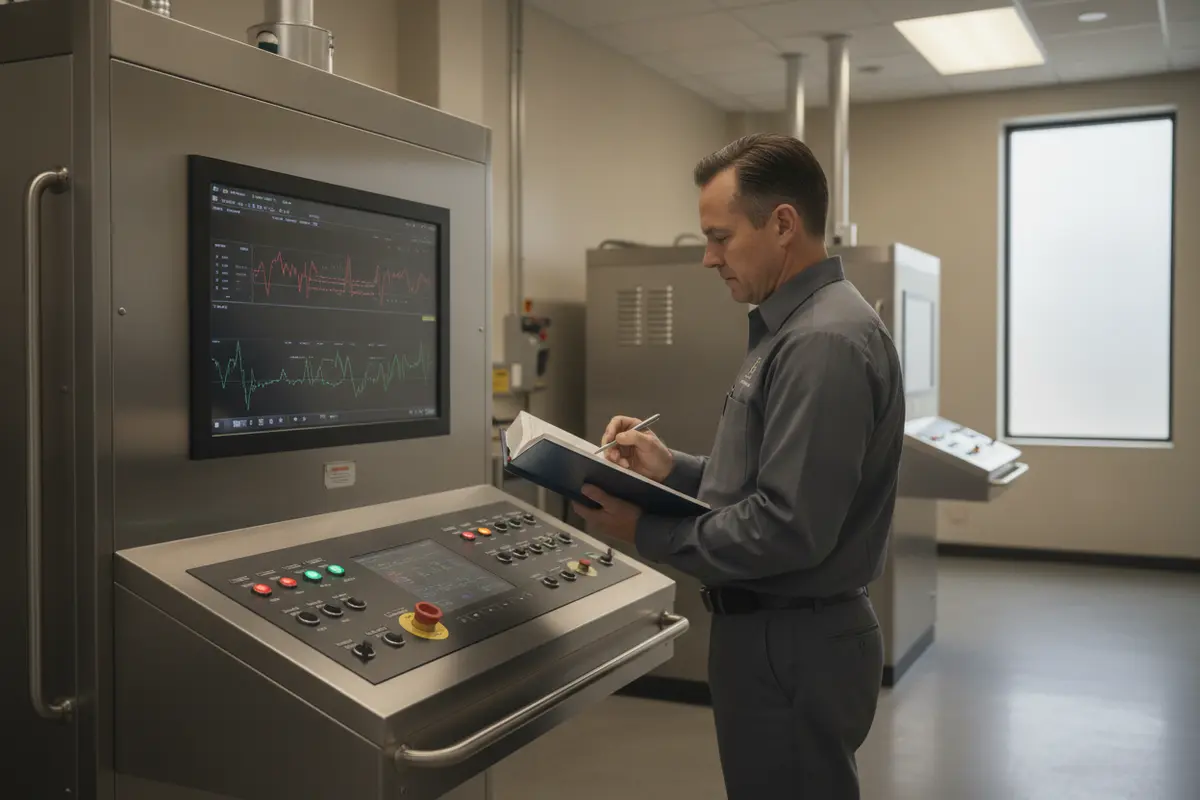
What should a routine temperature check include?
A useful routine is repeatable, documented, and tied to the manufacturer’s instructions. The specific timing, limits, and required actions must come from the facility’s approved procedures and governing requirements. The checklist below is a planning framework, not a substitute for those instructions.
- Confirm equipment identity. Record the unit or line being checked so readings are not attributed to the wrong system.
- Check the display and sensor label. Identify the measured zone and whether the value is a setpoint, current reading, or stored value.
- Compare with the correct reference. Use the model-specific manual and applicable operating conditions, rather than an informal target.
- Record the context. Note date and time, equipment status or operating stage as defined by facility procedure, the displayed values, and the person completing the check.
- Document exceptions and action. Follow the written response procedure for an alarm, unexpected reading, or equipment fault. Record who was notified and what follow-up is required.
- Review recurring patterns. Share repeated deviations or control concerns with the responsible supervisor and qualified service contact.
Keep records legible and consistent. A log is most useful when another trained operator can tell what was checked and what happened next. Avoid creating an unofficial limit or instructing staff to change a value unless that action is authorized by the equipment documentation and the facility’s approved procedure.
| Item to review | What it means | Operator action |
|---|---|---|
| Setpoint | The value requested by a control or entered under an approved procedure. | Confirm the approved setting for this unit and operating condition before adjustment. |
| Live sensor reading | The value reported at a sensor’s location at that moment. | Verify the sensor or zone label and compare it with the correct manual guidance. |
| Historical log | A record of earlier values and events. | Check date, time, operating context, and whether the record is complete. |
| Permit or procedure requirement | A facility-specific condition or rule that governs operation or records. | Follow the current approved document; ask the responsible authority if unclear. |
To make the checklist useful across several units, keep one reference sheet for each equipment model or line. It can point operators to the correct manual, identify the facility’s approved log location, and name the person responsible for reviewing exceptions. Treat it as an index, not a replacement for the source documents. When a manual or permit changes, update the reference promptly and remove outdated copies from routine use so staff are not comparing readings with superseded guidance.
How can teams keep readings consistent across shifts?
Consistent records let the next operator understand what was checked without having to infer the meaning of an entry. Use the same equipment names, sensor labels, and units that appear in the manual or facility procedure. If a log uses local abbreviations, define them in a written key and make sure every shift uses that key.
A shift handoff should identify an open equipment concern, not just pass along a number. A useful handoff can include the unit involved, the time and context of the observation, whether an alarm or exception occurred, what action was taken under procedure, and who is responsible for the next step. Avoid recording a value without its sensor or operating context, since that can make later comparison misleading.
- Keep the current manual and approved procedure available where authorized staff can find them.
- Use one approved log format so routine checks and exceptions can be reviewed together.
- Record corrections clearly; do not silently overwrite an earlier entry.
- Route unresolved issues to the designated supervisor or technical contact.
- Review repeated questions during staff instruction and update written procedures only through the facility’s approval process.
Temperature records are not a substitute for equipment service records. When inspection, calibration, repair, or other technical work is performed, retain the corresponding service documentation according to facility practice and applicable requirements. If staff suspect that a sensor or display is unreliable, they should report the concern and follow the manufacturer’s instructions rather than attempting an informal test or repair. A clear boundary between routine observation and technical service helps protect staff and preserves a usable history of the unit.
A practical review can compare entries from different shifts without treating small differences as proof of a fault. First confirm that each entry refers to the same sensor and comparable operating conditions. Then check whether the record includes the same fields and whether any alarms, service events, or procedure changes occurred in the period. If the entries still appear inconsistent, preserve the original records and escalate the question instead of rewriting them to create an artificial pattern. This process helps the facility distinguish a documentation gap from a concern that needs qualified technical review.
What can cause an unexpected reading?
An unexpected value is a prompt to verify and investigate, not a reason to guess at a correction. The cause could involve the operating state, a sensor or display, a control setting, equipment condition, or a documentation mismatch. This list is not a diagnosis. Only trained staff following the equipment instructions should assess the unit or decide whether it can continue operating.
When a reading appears abnormal, work through these checks in order:
- Confirm the display belongs to the correct equipment and sensor zone.
- Check whether the value is current and whether the unit is in the operating state assumed by the procedure.
- Review alarms, indicators, and relevant log entries without dismissing or bypassing them.
- Follow the manufacturer’s specified response and the facility’s escalation procedure.
- Record the observation, action taken, and any service follow-up needed.
Do not bypass an alarm, defeat a safety control, or make an unapproved adjustment to bring a display closer to a preferred number. If the manual calls for stopping, isolating, or contacting service, follow that direction. Facility leadership should make sure operators know who has authority to escalate an equipment concern.
When you contact technical support, having a concise record ready can make the discussion more useful. Identify the unit and control panel, describe which labeled reading raised concern, note when it occurred and what indicators appeared, and state what the facility’s written procedure directed staff to do. Keep the description factual and avoid experimenting to reproduce the condition unless the manufacturer or qualified technician instructs staff to do so. If the concern recurs, attach the relevant log entries and service history according to the facility’s normal process.
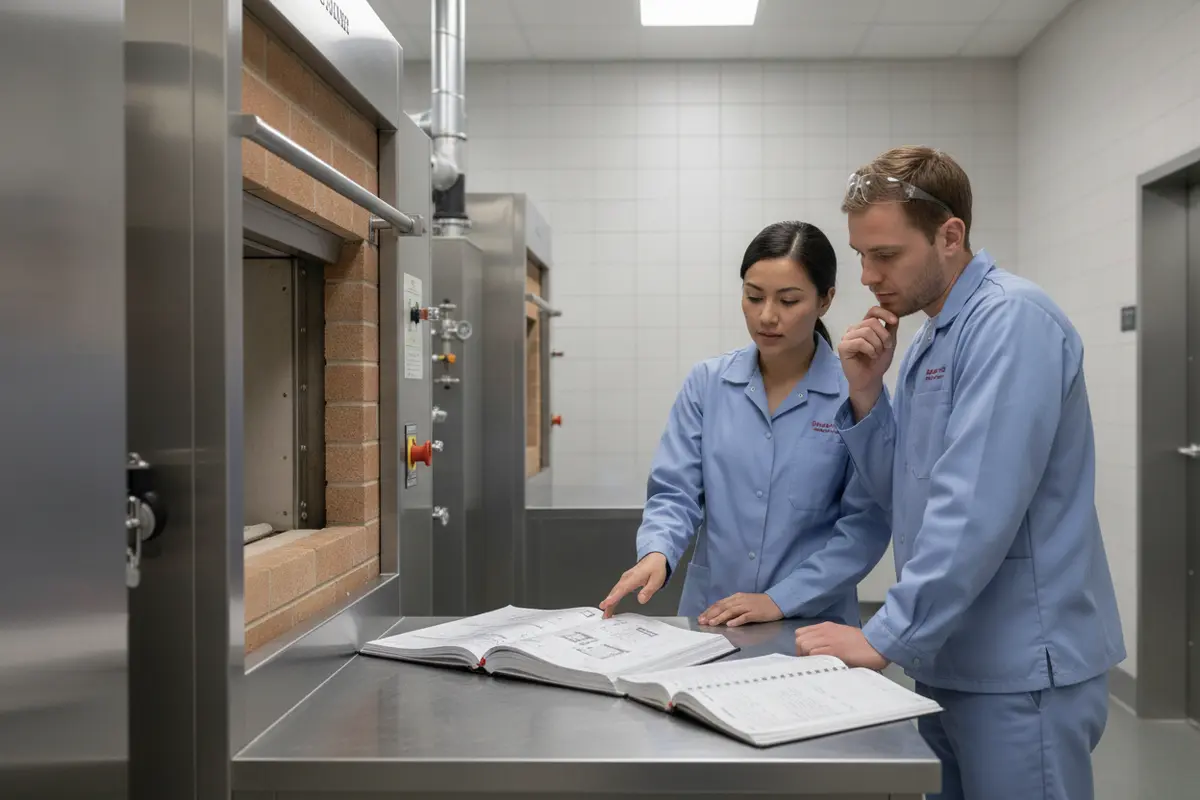
How do records and staff preparation support safe operation?
Good temperature monitoring depends on clear responsibilities. Assign trained staff to routine checks, identify who reviews exceptions, and make sure the current equipment manual and facility procedures are accessible. When staffing changes or a unit is serviced, review the relevant instructions with the people responsible for operating and documenting it.
Keep temperature records focused on the equipment and operating requirements. Other preparation-room supplies and staff protective equipment are separate planning needs; they should be selected for the task and facility procedure, not inferred from a temperature value. Vischer’s preparation supplies and medical products catalog sections may help teams review those adjacent supply categories. For example, blue nitrile exam gloves, boot covers, and sharps containers are supply items to assess against the specific work and established procedures; none determines a crematory’s temperature setting.
Review documentation whenever equipment is replaced, serviced, or reconfigured, or when permit conditions and written procedures change. A short orientation can clarify which display to read, where to find the applicable limits, how to log a check, and whom to contact if the value is unexpected. This prevents different shifts from relying on different assumptions.
Training is more effective when it uses the actual equipment labels and records staff will encounter. A supervisor can walk through where the applicable instructions are kept, how to identify the designated sensor, where an operator records a routine check, and how to report an exception. Staff should also know what they are not authorized to do, including bypassing controls or making undocumented changes. Revisit the orientation after a relevant equipment change or procedure update, and keep the written materials aligned with the approved version.
What should a facility confirm before changing a setting?
Before an operator changes any temperature-related control, the facility should confirm the change is permitted and appropriate for the equipment and current operating condition. The documentation trail matters as much as the control adjustment: it should be clear who approved the action, what guidance was consulted, and what follow-up is required.
- Identify the exact unit and control being considered.
- Check manufacturer instructions and the facility’s current operating procedure.
- Review applicable permit conditions and any relevant state or local requirements.
- Confirm who is authorized to approve or make the change.
- Document the reason, approval, action, and subsequent monitoring as required.
If an answer is missing or conflicting, do not resolve the issue by adopting a value used by another facility. Seek clarification from the manufacturer or qualified service provider and the appropriate facility or regulatory contact. A practical guide can help organize questions, but cannot establish the permitted setpoint for a specific unit.
It can help to treat a proposed adjustment as a controlled decision rather than an informal correction. The request should identify the concern and the source of the recommendation; the review should check equipment instructions and facility requirements; and the approval should come from the person designated by the facility. After an authorized change, complete any monitoring and documentation required by the procedure. If the proposed action conflicts with a permit condition or the manufacturer’s direction, resolve that conflict with the responsible technical or regulatory contact before proceeding.
Contact Vischer to discuss equipment questions
Frequently asked questions
What is the correct crematorium temperature?
There is no universal number that applies to all equipment and facilities. Follow the specific unit’s manufacturer instructions and applicable permit and operating requirements.
Is a setpoint the same as the temperature reading?
No. A setpoint is the requested value, while a sensor reading reports a measured value at a particular location. Use the manual to understand how the equipment defines and uses each value.
Should operators raise a temperature setting to improve emissions?
Do not assume that raising a setting improves results. Oregon legislative testimony reports that higher temperatures use more fuel and produce no better emission results in its comparison. That statement does not replace the rules, permit, or equipment instructions that apply to a specific facility.
What should staff do when a reading seems wrong?
Verify the sensor, display, and operating context, then follow the equipment manual and facility escalation procedure. Do not bypass alarms or make unauthorized adjustments.
Make temperature monitoring specific to your equipment
Reliable temperature oversight comes from knowing what each reading represents, checking it against the correct approved reference, and documenting exceptions consistently. Keep unit-specific instructions and facility requirements at the center of the routine, and ask qualified technical or regulatory contacts when the answer is unclear.
Use the equipment-specific manual, approved facility procedures, and applicable requirements to guide every temperature-related decision.