
Selecting a casket bier is more than a furniture decision. The right model protects staff during routine movement, supports a composed chapel presentation, and remains dependable through years of services.
Browse chapel equipment and casket bier options from Vischer Funeral Supplies.
A casket bier is a wheeled platform that supports and presents a casket during a viewing or funeral service. Funeral homes should compare stability, caster performance, chapel dimensions, finish durability, and visual style before choosing a model for daily use.
This guide explains how to compare bier styles, evaluate chapel fit, inspect durability, and choose a dignified presentation piece.
What is a casket bier, and what role does it serve?
A casket bier is a mobile stand or platform used to support a casket during a funeral service or viewing. It serves as the primary display piece in a funeral home chapel, providing a stable and dignified base for the deceased. Vischer Funeral Supplies offers chapel equipment for funeral professionals designed to help directors create a stable, professional setting for grieving families.
Core purpose and design
The main role of a casket bier is to hold a casket at the right level for viewing. Most standard biers are about 21 to 22 inches tall to ensure guests can see clearly while seated or standing. Modern designs are built to be very tough. They often use high-quality laminates that resist water and scratches. This durability is vital for equipment that sees constant use in a busy funeral home.
Mobility is another key feature of these stands. Most models use industrial swivel casters that allow for 360-degree movement. This makes it easy for staff to move a heavy casket within the chapel or viewing room. Using mechanical aids like a casket bier for presentation also helps reduce physical strain on workers. This aligns with OSHA safety standards about lifting heavy objects in the workplace.
Biers versus other chapel equipment
Many people confuse a casket bier with a catafalque or a church truck. While they all support caskets, they serve different goals. A bier is typically a mobile yet decorative piece meant for a fixed spot in a chapel. In contrast, a church truck is a folding device used mostly for transport. A catafalque is a larger, often fixed platform used for state funerals or very grand public events. Using the right term helps you in chapel equipment planning guide for your needs.
Visual appeal in the chapel
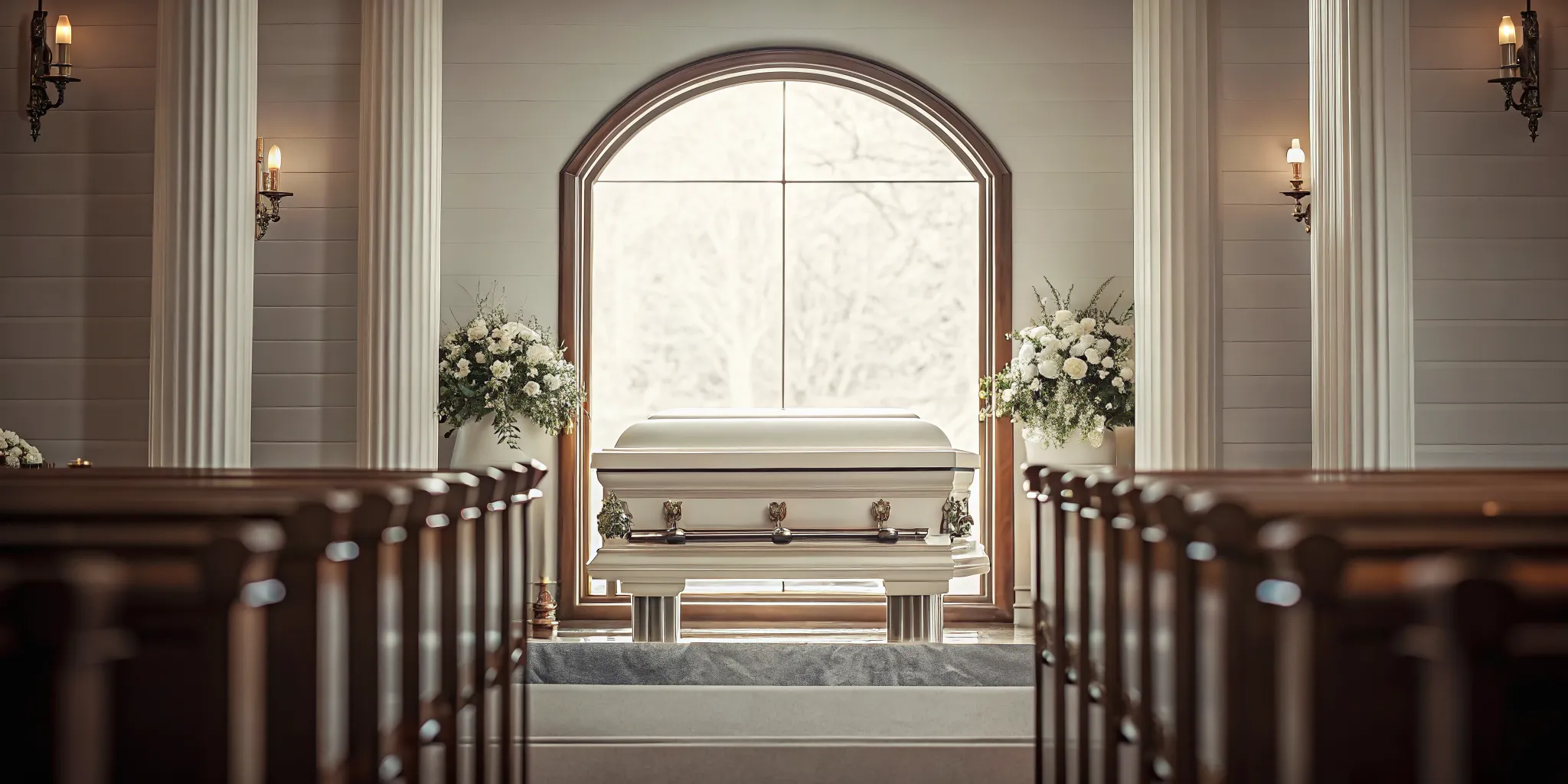
Style is just as important as function when selecting chapel gear. Biers often feature fine details like reeded posts, brass accents, or wood finishes in oak and cherry. Some models even allow for custom religious symbols like a cross that can be removed for secular services. The right choice should match the look of your space and the needs of your clients. This professional look is why biers remain central to modern funeral display systems.
Compare casket bier styles before you buy
A casket bier is a mobile stand or platform used to support a casket during a viewing or service. Selecting the right style is key to conduct professional services while matching your chapel layout. You should balance the visual look with practical needs like mobility and durability. Using a proper funeral chapel upgrade guide helps you create a respectful setting for families.
Traditional hardwood and decorative designs
Many directors prefer the classic look of traditional wood biers. These units often feature fine finishes like oak, cherry, or walnut. They may include reeded posts, brass accents, or fluted skirting to add a touch of elegance to a chapel. Some models even allow you to add religious symbols like crosses. You can omit these for secular services. These decorative elements help casket bier presentation feel formal and high-end.
While wood biers look great, you should check their weight and ease of use. Employers must follow OSHA ergonomic rules to protect staff from injury when moving heavy gear. Look for units with heavy-duty swivel casters. These wheels allow for 360-degree movement. This makes it easier to navigate small chapel spaces.
Modern laminate and utility options
Modern biers often use high-quality laminates that resist water and scratches. These materials are very tough and can match the look of fine wood furniture. Many of these units have top bumpers and indestructible edges to protect them during daily use. This makes them a cost-effective choice for busy funeral homes that need reliable gear. They are built to handle both standard and over-size caskets safely.
If you move equipment often between rooms, a mobile utility bier might be your best bet. These focus on function and ease of transport. Choosing gear that fits your frequency of use ensures long-term efficiency. You can complement your casket bier with other matching chapel furniture for a unified look.
| Style | Visual Effect | Setting | Upkeep |
|---|---|---|---|
| Decorative Hardwood | Classic and formal | Traditional chapels | Needs wood polish |
| Modern Laminate | Clean and sleek | Contemporary spaces | Resists scratches |
| Showroom Bier | High-end display | Selection rooms | Low maintenance |
| Mobile Utility | Simple and functional | Multi-use rooms | High durability |
How should chapel layout shape your choice?
Your chapel floor plan is the main guide for picking the right tools. Every room has its own flow and tight spots. You must think about how your staff and the family will move through the space.
A good layout plans for the size of the room and the path to the front. Checking aisle widths and door sizes helps you find a tool that moves with ease.
Doorway and aisle widths
The first step is to measure every door the equipment must pass through. Older homes often have narrow doors that can be hard to go through. A standard casket bier needs enough room to clear these frames with space to spare.
If the fit is too tight, you risk marks on your walls or damage to the unit. You should aim for a clear path that allows for easy steering.
Aisle width also matters for the comfort of the guests. You want enough room for the bier to pass while people are seated. If your aisles are narrow, look for a unit with a slim frame.
Planning a chapel equipment upgrade ensures that the path stays clear for everyone. This helps keep the focus on the service and the family.
Turning radius and movement
Movement paths are more than just straight lines. You often have to turn corners or move around floral stands. A casket bier with high-grade swivel wheels is a big help here.
These wheels allow for 360-degree turns, which is great for small rooms. They let your staff steer with great care and less effort. This makes the whole process look smooth and expert.
Safe movement is a major goal for any funeral home. Following safety rules helps you avoid mishaps in the chapel. The OSHA general duty clause says that bosses must keep the workplace free from known hazards.
Using tools that help with heavy lifting is a key part of this. It protects your team from strain and other harm during their work.
Guest sightlines and placement
Where you place the casket affects how guests feel during the service. You want to give everyone a good view without blocking the path. Most units stand about 21 to 22 inches tall.
This is the best height for viewing from a chair or while standing. It keeps the casket at a natural level for the eye. You should test these sightlines from many spots in your chapel.
Think about the look of the room too. Some units have brass parts or wood trim that can match your style. You can find models with reeded posts or classic skirts to fit a common theme.
Storage is another factor to keep in mind. If your chapel is used for many tasks, you may need a unit that is easy to move. A sleek design helps it blend in when it is not being used.
How do you evaluate durability and daily usability?
A casket bier is a key tool in your chapel. It must look good for families and hold up under heavy weight. When you buy a new one, you need to check how it is built. A solid stand helps you follow safety rules for lifting and moving heavy loads in the funeral home.
Check the frame and joinery
Start with the main body of the stand. Look for thick wood or high-grade laminate. Some modern biers use luxury laminate that resists water and scratches while looking like real wood. Check the corners to see if they are tight. High-quality biers often have reeded posts or re-enforced edges to stop dings and dents from daily use.
The base should be wide enough to keep the unit stable. This is very important if you serve families who use large or over-size caskets. A bier that is 62 inches long and 23 inches wide is a common size for standard chapel services. Make sure the top has non-slip bumpers to hold the casket in place during the viewing.
Test the casters and locks
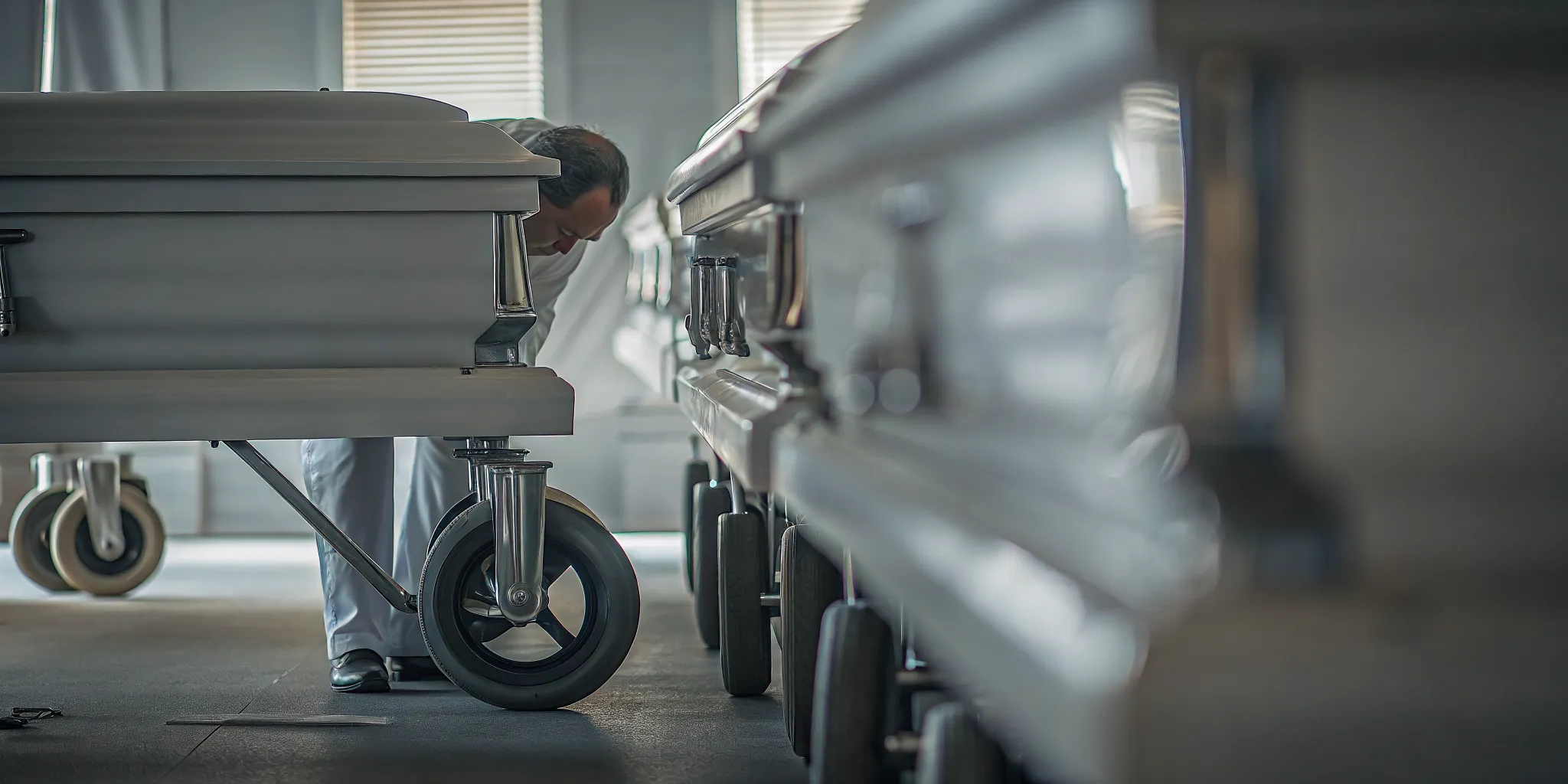
Mobility is a major part of casket bier presentation and ease of use. You need to move the stand through tight halls and over soft rugs. Look for industrial casters that turn a full 360 degrees. These help you steer without a struggle. High-end wheels often use ball bearings to keep the ride smooth and quiet.
Do not forget the wheel locks. You must be sure the stand will not roll once it is in place. Test the locks on a flat floor and on a rug. Good locks should be easy to set with your foot but strong enough to keep the bier still. This keeps the service safe and looks professional to the guests.
- Inspect the finish: Look for water-resistant coatings. The unit must hold up against spills and cleaning sprays without the wood swelling or the laminate peeling.
- Verify the weight limit: Ensure the frame can handle over-size caskets. Standard biers should support heavy loads without the frame bowing or the casters sticking.
- Check the bumpers: Look for soft rubber or PVC on the top and sides. These protect both the casket and the bier from scratches during placement.
- Test the mobility: Roll the bier across different floors in your chapel. It should glide silently over tile, wood, and low-pile carpet.
- Review the service needs: Find out if the casters are easy to swap if they wear out. Choose a bier made in the USA to make getting parts simple and fast.
Match the unit to your duty cycle
Think about how often you will use the bier. A busy firm might need a heavy-duty model with extra bumpers and steel-core casters. If you move the stand between rooms several times a day, look for a light-weight frame that is still strong. This helps lower the risk of strain on your staff during the work day.
Small details like reeded posts or brass crosses add to the look. Some models have crosses that you can take off for non-religious services. This helps you use the same piece of equipment for many types of guests. Matching the style and function to your daily needs makes the bier a smart, long-term buy for your firm.
Choose an appearance that supports the room
The look of your chapel helps set the tone for every service. When you are guide to modern chapel equipment, it should blend in with the rest of your pieces. A good stand does more than just hold weight. It adds to the calm feel of the room while still being easy to move and clean. You want a piece that looks like a part of the space rather than a tool left out on the floor.
Matching your chapel style
Most biers come in classic wood looks like oak, cherry, or walnut. You can find models with reeded posts or fluted skirting to match an old-style room. Some even have brass parts to add a small shine. Think about how the light hits the stand. A soft shine can look good under warm chapel lights. If your room has a lot of cloth or drapes, a wood-look stand can help tie the look together. Choosing the right style of chapel goods helps you build a space that feels whole.
While real wood is nice, new luxury coats are a smart choice for a busy funeral home. These stands can have a deep wood grain and a soft shine that looks like fine art. They are built to resist water and scratches, which helps them stay new for years. This mix of fine style and tough build is key for tools that see a lot of use every day. These coats can copy the feel of fine wood but are much easier to keep clean in a high-traffic area.
Scale and fit for the space
The size of the bier must work with both the room and the casket. A standard bier is about 62 inches long and 23 inches wide. This size is large enough to fit most standard and over-size caskets. The height is usually around 21 to 22 inches, which keeps the casket at a good level for viewing. This height helps people say their goodbyes without having to lean too far over or look up too high. It also ensures the casket is the right height for most floral sprays and flags.
Think about how much space you have in your chapel to move the bier around. Sturdy biers use swivel wheels that can turn 360 degrees. This helps you steer the stand through tight spots or around corners with ease. You also want a bier with top bumpers to keep the casket from sliding. These small parts help protect both your gear and your chapel walls from any odd bumps. Easy movement is key when you need to change the room layout between services.
Built for heavy use
Since a bier is a tool you use often, it must be strong. Look for biers with edges that are hard to break. Some use a tough edge that can take hits from other tools or doors. Strong tools help keep your staff safe from strain as well. According to OSHA safety rules, bosses must give help for lifting heavy loads to avoid injury. A sturdy, mobile bier is a big part of meeting those needs in a smart way.
Taking care of your bier should not take a lot of time. Biers with smooth, water-safe finishes are easy to wipe down after each use. This keeps the chapel looking clean and fresh for the next family. By choosing a stand that is easy to fix or clean, you save money over time. A good bier is a smart way to keep your funeral home running at its best. It should be a long-term part of your chapel that you can rely on for many years.
A practical casket bier buying checklist
Buying a new casket bier is a key step for any funeral home owner. You need a stand that looks sharp during a service but can also handle years of daily use. This guide helps you check every detail before you buy your next piece of equipment. A good bier helps your staff work fast and keeps the chapel looking its best for every family.
Measure your chapel space
First, you must check the size of your viewing rooms and all halls. A standard casket bier is often 62 inches long and 23 inches wide. You must be sure the unit can turn corners in your home without hitting the walls. If your space is small, look for a model that can turn in place to save room.
Also, think about the casket sizes you use most often in your work. Some biers can hold both standard and over-size caskets to give your team more options. When chapel presentation planning tips, check that the height is about 21 inches for the best viewing level. This height lets guests see the casket clearly without the stand being in the way.
Check for mobility and safety
Moving a heavy casket can put a lot of stress on your team. Look for a unit with swivel casters that roll well on both carpet and hard floors. High-quality wheels help your staff move the casket with less work and more control. Check if the casters have locks to keep the bier still during the service.
Workplace safety is a top goal for any modern mortuary. The OSHA safety rules state that lifting heavy loads without help can cause bad back harm. A mobile bier gives your staff the tool they need to move heavy items through the chapel safely. This protects your workers and helps you follow the law.
Pick a durable finish
The look of your equipment must match the style of your funeral home. You can pick from real wood like oak or cherry, or choose a tough laminate finish. Modern laminates resist water and scratches, which makes them easy to clean. These finishes look like fine wood but can handle the bumps of a busy chapel.
Your checklist should cover these key points to ensure you get the best value for your money:
- Measure the width of every door and hall on the move route.
- Test the swivel casters to ensure they roll smooth in all ways.
- Check for top bumpers to protect the bier and the casket from marks.
- Check that the stand can hold the weight of your heaviest units.
- Look for a finish that resists water and is easy for staff to wipe down.
- Ask your team for their thoughts on how the unit feels to move.
Checking these items helps you find a casket bier that lasts. High-quality tools help you give the best care to the families you serve. You can call our team to talk about the best options for your specific chapel layout.
Frequently Asked Questions
What is the difference between a catafalque and a casket bier?
A casket bier is a mobile stand with wheels used to move and display a casket within a chapel. In contrast, a catafalque is often a larger, fixed platform used for grand state funerals or public events. According to The Content Authority, a catafalque is typically more ornate and used for important public ceremonies while a bier is a functional platform for carrying or supporting a coffin.
What are the common design styles for a casket bier?
Common styles include traditional hardwood designs and modern luxury laminates. Traditional biers often feature fine finishes like oak, cherry, or walnut with reeded posts or brass accents to match a classic chapel look. Modern options use durable laminates that resist water and scratches while mimicking the grain of fine wood furniture. Many units also feature removable religious symbols, such as a cross, to accommodate both religious and secular funeral services.
What should funeral homes consider when selecting a casket bier?
Directors should balance chapel aesthetics with practical needs like mobility and durability. A standard bier is about 21 to 22 inches tall to provide an appropriate viewing level for guests. It is vital to choose a unit with heavy-duty swivel casters for 360-degree movement in tight spaces. Since these tools see heavy use, look for water-resistant finishes and top bumpers that protect both the equipment and the casket from damage during transport.
Do funeral homes need a casket bier for worker safety?
Yes, using a mobile casket bier helps funeral homes meet safety standards for lifting and moving heavy loads. According to OSHA, employers must provide mechanical assistance for lifting heavy objects to prevent ergonomic hazards and injuries. Industrial swivel wheels and a sturdy frame allow staff to maneuver caskets with less physical strain. This protects the health of the team while maintaining a professional and smooth flow during the funeral service.
Ready to upgrade your funeral home chapel?
A worn or shaky bier can take away from the peace of a funeral and make people doubt the care you give. Waiting to replace old gear leads to stress when you need to look your best, but upgrading today ensures every service has a polished base. You will save time and gain the peace of mind that comes from knowing your chapel is always ready for those you serve. This step shows that you care about every detail and helps you avoid a gear failure. You can find more tools on our chapel equipment page to help you focus on the families.